
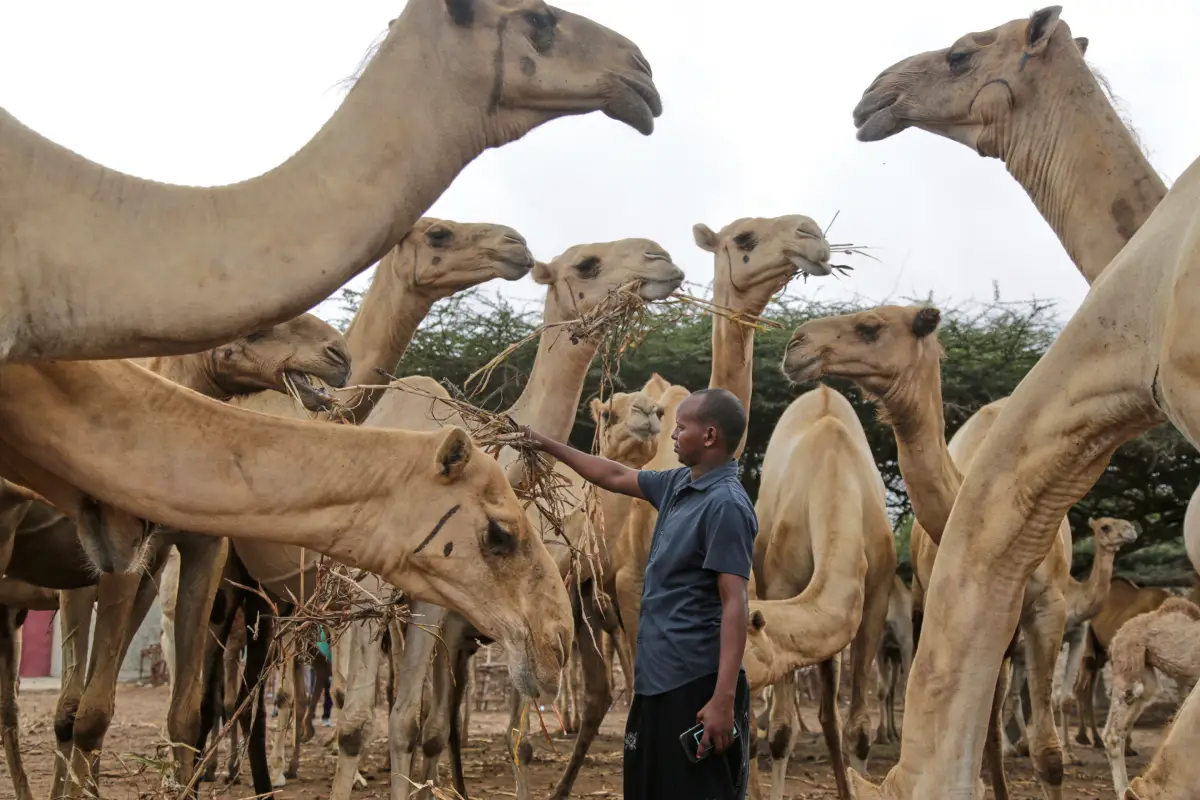
Somali Camel Prices: What Factors Determine Import and Supply Costs?
Two importers might plan to import the same number of Somali camels within roughly the same timeframe, yet the final cost of the transaction could differ significantly. While some believe the price depends solely on the number of camels ordered, the reality is that a range of other factors directly influence import and supply costs.
Somali Camel Prices: What Factors Determine Import and Supply Costs?
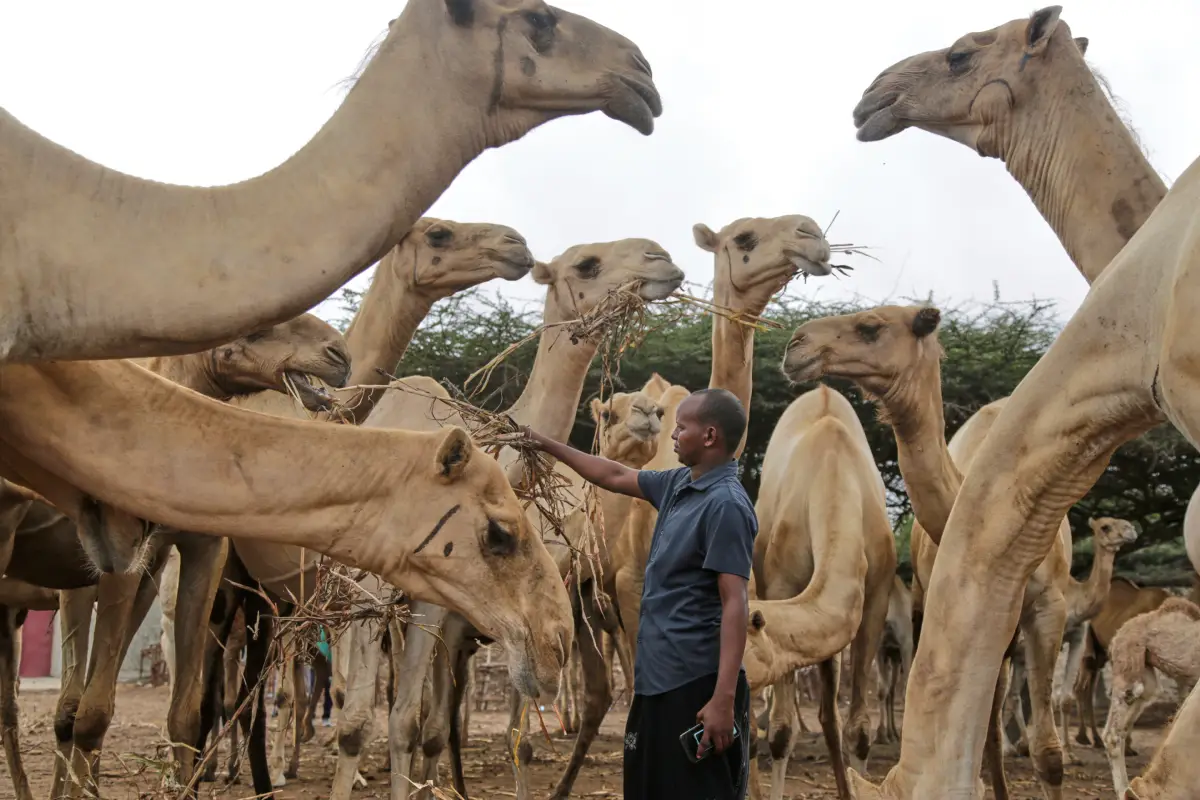
Two importers might plan to import the same number of Somali camels within roughly the same timeframe, yet the final cost of the transaction could differ significantly. While some believe the price depends solely on the number of camels ordered, the reality is that a range of other factors directly influence import and supply costs.
With the increasing demand for camels in markets like Saudi Arabia, Egypt, and Oman, understanding the factors affecting Somali camel prices has become essential for any importer or trader seeking to make a successful purchasing decision and achieve the best possible value for money.
If Somali camels are known for their competitive prices, why do import costs vary from one transaction to another?
The answer lies in a set of variables related to the quantities ordered, transportation costs, the requirements of the target market, and the availability of camels during the supply period. These factors directly impact the final price received by the importer.
Why is the demand for Somali camels increasing?
Somali camels are gaining increasing attention among livestock importers in many Arab markets, primarily due to:
Competitive prices compared to other sources.
Availability of sufficient numbers for trade and export.
Suitability for various commercial uses.
Consistent demand in some Arab markets.
Therefore, Somali camels have become an important option for many traders seeking cost-effective solutions in the livestock sector.
Read more:
What factors affect the price of Somali camels?
Number of animals required
Prices typically vary according to the size of the order, with larger commercial orders often having more flexibility than smaller ones.
Shipping and transportation costs
Transportation represents a significant portion of the total cost, especially when exporting to different markets.
Destination country
Import requirements may vary from country to country, which is reflected in the final cost.
Camel Availability During the Supply Period
The availability of the required quantities is one of the most important factors affecting the price and the speed of transaction execution.
Market Conditions
Supply and demand constantly influence the prices of Somali camels, making them subject to change according to market conditions.
Are Somali Camels Available for Export?

The question "Is the product available?" is one of the most frequently asked by importers before discussing prices. Therefore, the success of any import operation depends on dealing with a supplier capable of providing the required quantities according to a clear timetable.
With its experience in the livestock sector, MHS Group Export provides supply solutions that help clients obtain the appropriate quantities according to their needs and the requirements of their target markets.
What is the difference between a young camel, a young male camel, and a camel in the Saudi and Gulf markets?
When importing Somali camels to the Gulf markets, it is important to know the common names for camels according to age and production stage, as the terminology varies among traders and buyers, especially in Saudi Arabia and the Gulf countries.
The young camel (Hashi)
A young camel (Hashi) is a young camel from birth up to about two years old. It is one of the most sought-after types in some markets due to the tenderness of its meat and its quick cooking time, making it a favorite among many consumers and restaurants.
The young male camel (Qa'ud)
A young male camel (Qa'ud) is between two and four years old. It is larger than a young camel (Hashi), and its meat requires a relatively longer cooking time.
The adult male camel (Jamal)
The adult male camel (Jamal) is over five years old. It is characterized by its large size and strength, and it is used for various commercial purposes according to the needs of different markets.
Knowing these terms helps importers and traders accurately determine their needs when ordering Somali camels and facilitates communication with suppliers and customers in the Gulf markets.
A Trader's Experience with Importing Somali Camels
A livestock trader operating in the Arab market says:
"At the beginning of my business, I focused solely on finding the lowest possible price. However, over time, I discovered that consistent supply and the availability of the required quantities are just as important as the price itself. When I started dealing with a supplier capable of regularly meeting my needs, managing my business became much more stable and transparent."
This experience reflects a reality faced by many importers, where the success of a deal depends not only on price but also on the ability to obtain the required supplies on time.
How to Choose a Suitable Somali Camel Supplier?
When searching for a Somali camel supplier, it is advisable to focus on several important factors:
The ability to supply the required quantities.
Experience in exporting and supplying.
Clear information about the product.
Adherence to delivery schedules.
Understanding the needs of the target markets.
Choosing the right supplier helps reduce risks and improve the chances of successful import operations.
Read more:
Why Are Some Importers Turning to Somali Camels?
While South African livestock is known for its high quality and market value, some importers prefer Somali camels due to their more economical prices, which help them better manage their costs, especially in large-scale commercial projects.
Therefore, Somali camels remain an important option for many traders seeking competitive solutions in the livestock sector.
MHS Group Export and its International Supply Network
MHS Group Export specializes in exporting livestock from Somalia and South Africa to several Arab markets, focusing on meeting the needs of livestock and meat importers.
The company's services include:
Exporting Somali camels.
Exporting sheep and calves from Somalia.
Exporting Dorper sheep, Boer goats, and meat from South Africa.
Providing consistent supply solutions for importers and traders.
Serving the Saudi Arabian, Egyptian, Omani, and other Arab markets.
Contact MHS Group Export

If you would like to know the current prices of Somali camels or inquire about available quantities and supply options, you can contact the MHS Group Export team to obtain the information appropriate for your business needs.
Egypt Office: +20 155 741 2975
South Africa Office: +27 774 540 935
Somalia Office: +252 906 790 210
Website: MHS Group
Frequently Asked Questions
What are the prices of Somali camels?
Prices vary depending on the number of camels ordered, shipping costs, the destination country, and market conditions at the time of purchase.
What is the difference between a young camel (hashi), a young male camel (qu'ud), and a full-grown male camel (jamal)?
A young camel (hashi) is a young camel up to two years old, a young male camel (qu'ud) is a young male camel, and a full-grown male camel (jamal) is an adult male camel. Commercial uses vary depending on age and market demand.
What are the most expensive camel breeds?
The camel "Arnoon" is considered the most expensive camel in the world, having entered the Guinness World Records with a market value estimated at approximately 200 million Saudi Riyals (equivalent to 53 million US dollars).
Can Somali camels be imported into Saudi Arabia?
Yes, Saudi Arabia is one of the markets that sees demand for Somali camels, in accordance with applicable regulations and procedures.
What factors affect the cost of importing camels?
These include the quantities required, transportation costs, product availability, and the requirements of the importing country.
Are Somali camels available for export?
This depends on the quantities required and the delivery timeframe. Therefore, it is recommended to contact them directly to ascertain availability.
How do I choose a reliable Somali camel supplier?
It is preferable to deal with a company that has experience in the livestock and export sector and is capable of supplying the required quantities regularly.
What is a young camel in Saudi Arabia?
In Saudi Arabia and the Gulf countries, a young camel, usually no more than two years old, is called a "hashi." It is characterized by its tender meat and is considered a sought-after breed in some markets.
Conclusion
The prices of Somali camels do not depend on a single factor. Rather, they are affected by a range of variables related to the quantities required, transportation and supply costs, and the requirements of the target market. Therefore, understanding these factors helps importers make more accurate decisions and achieve the best possible value from their import operations. With continued demand for Somali camels in Saudi Arabia, Egypt, and Oman, selecting the right supplier remains a crucial step to ensure a stable supply and timely delivery of the required quantities.