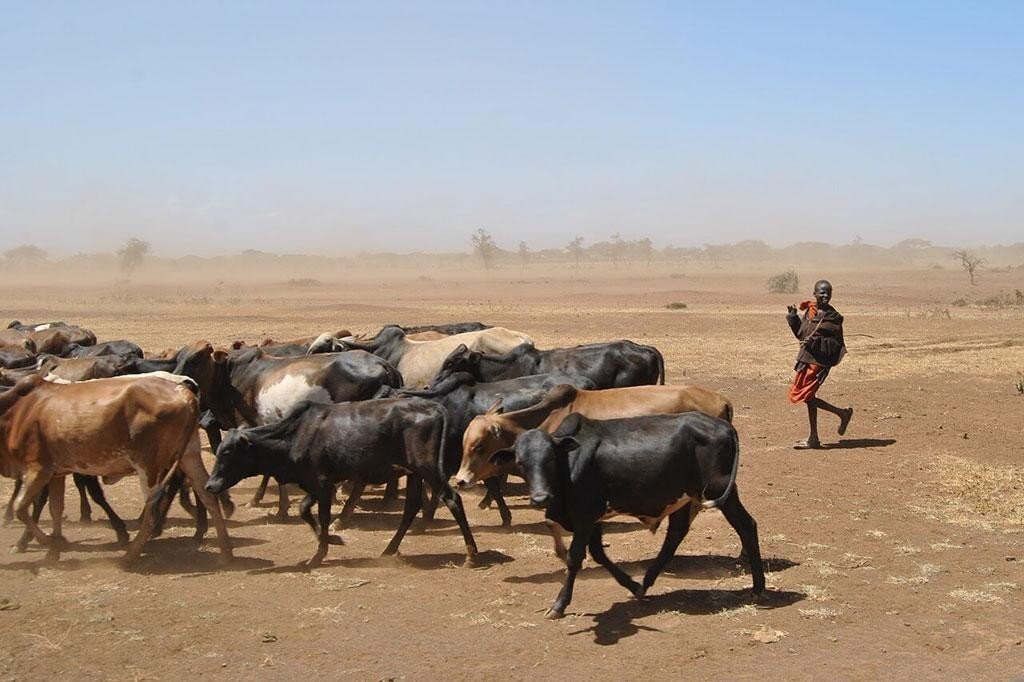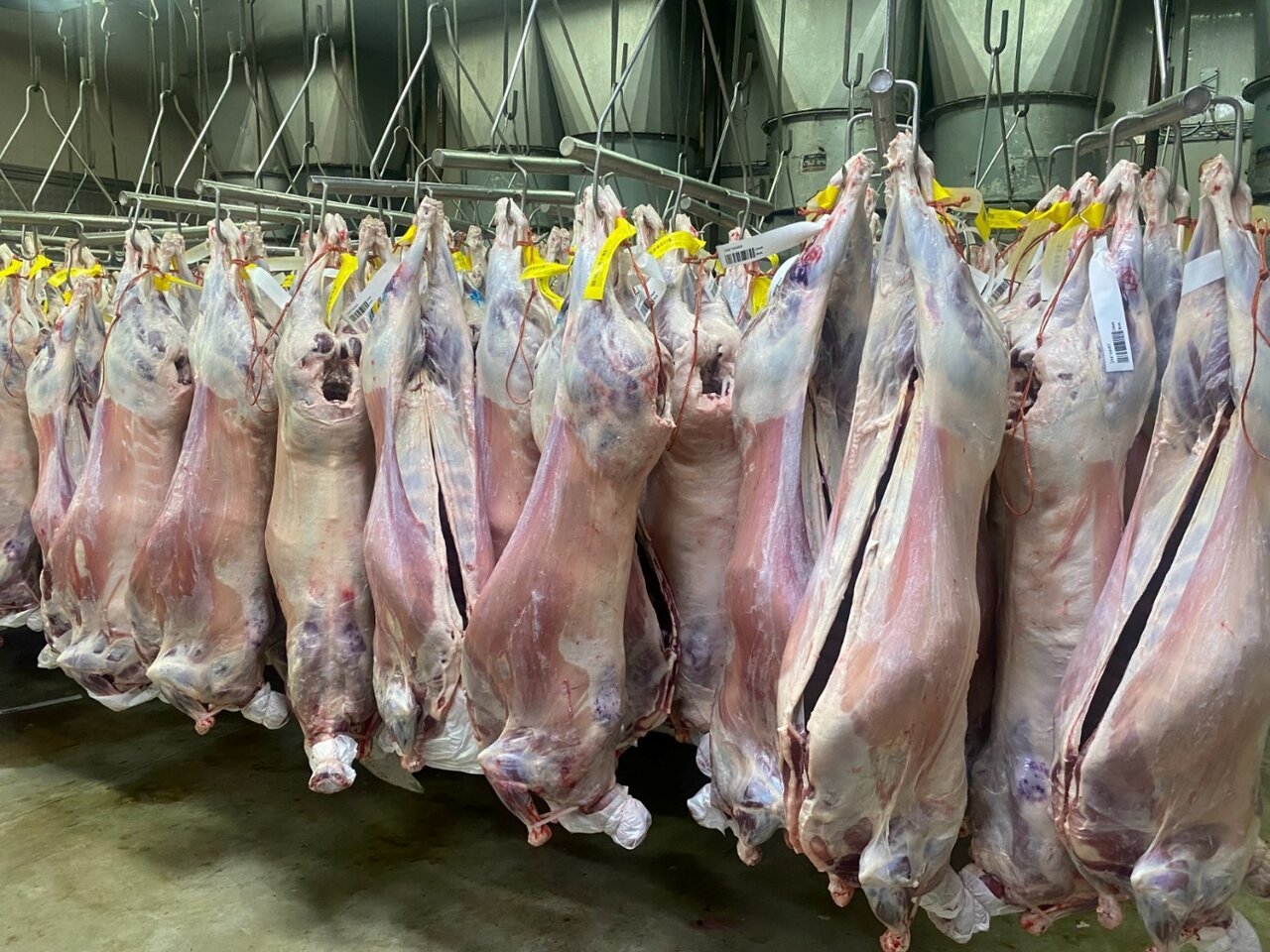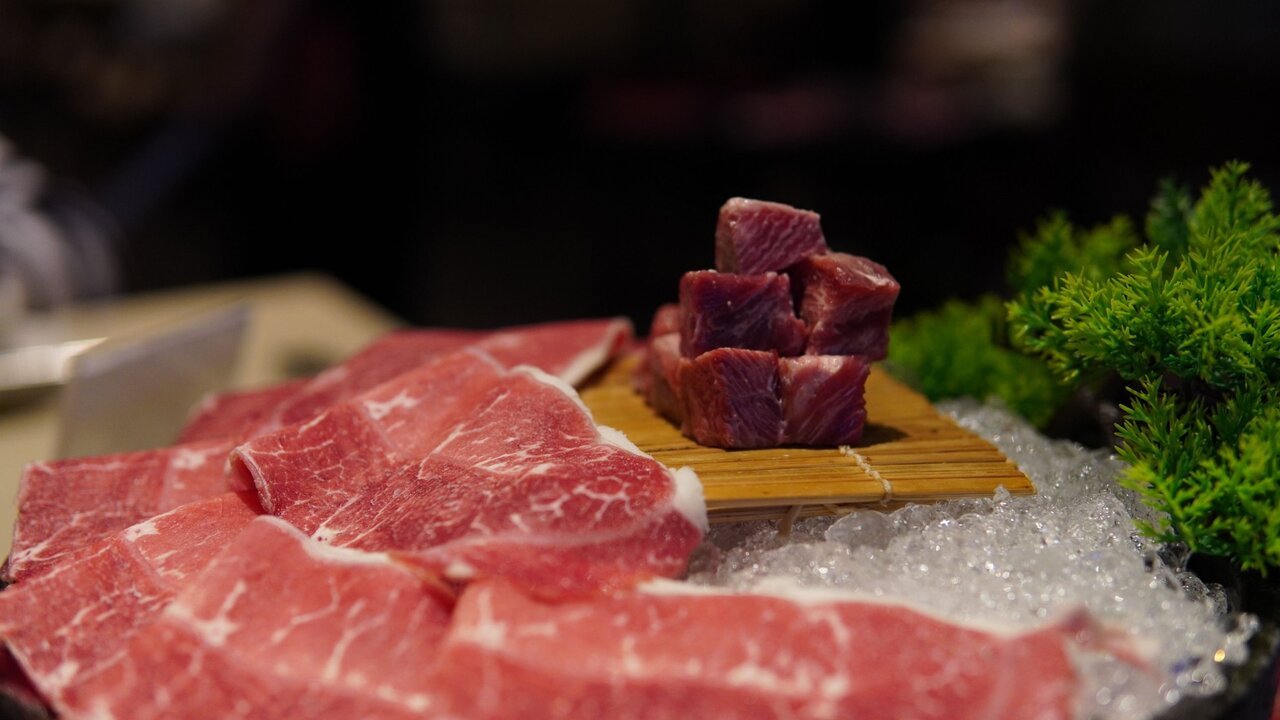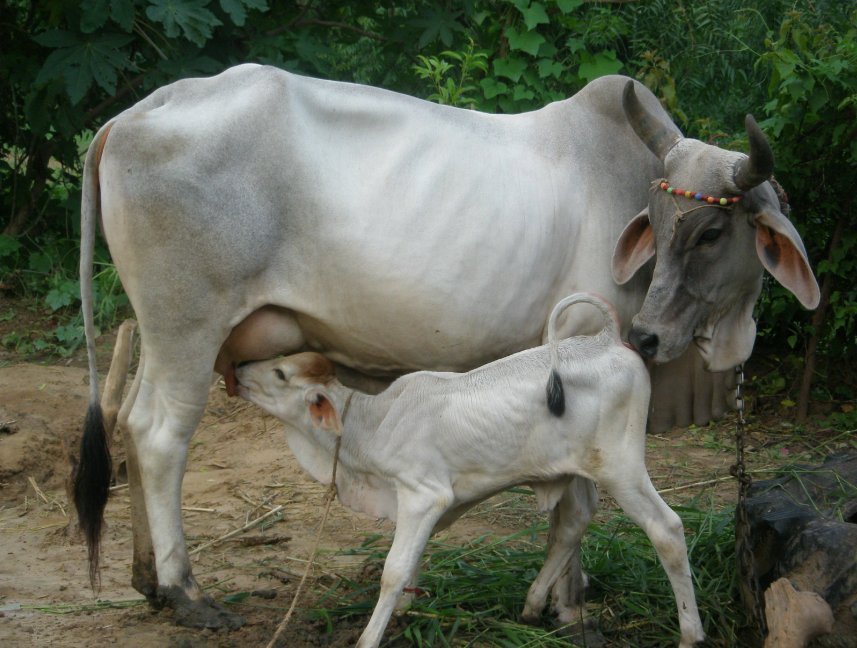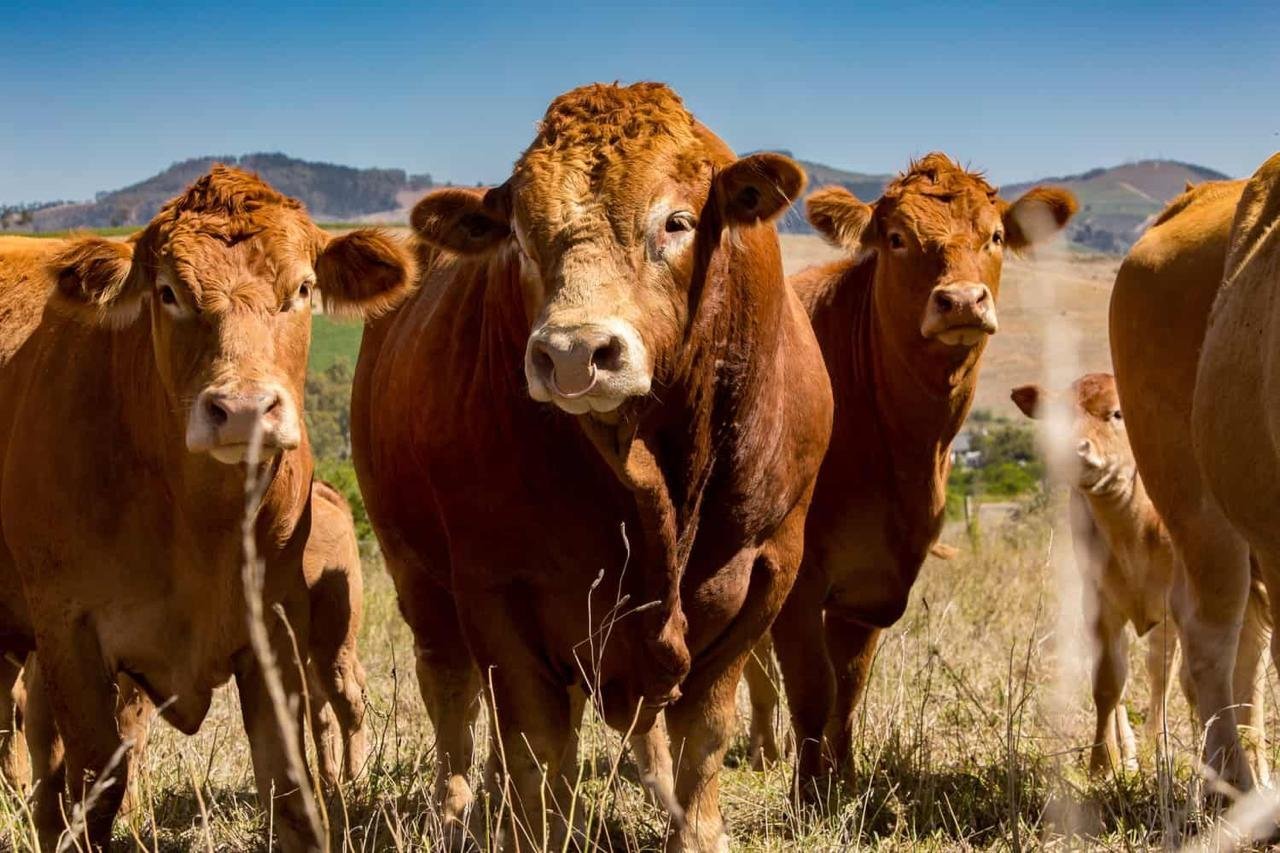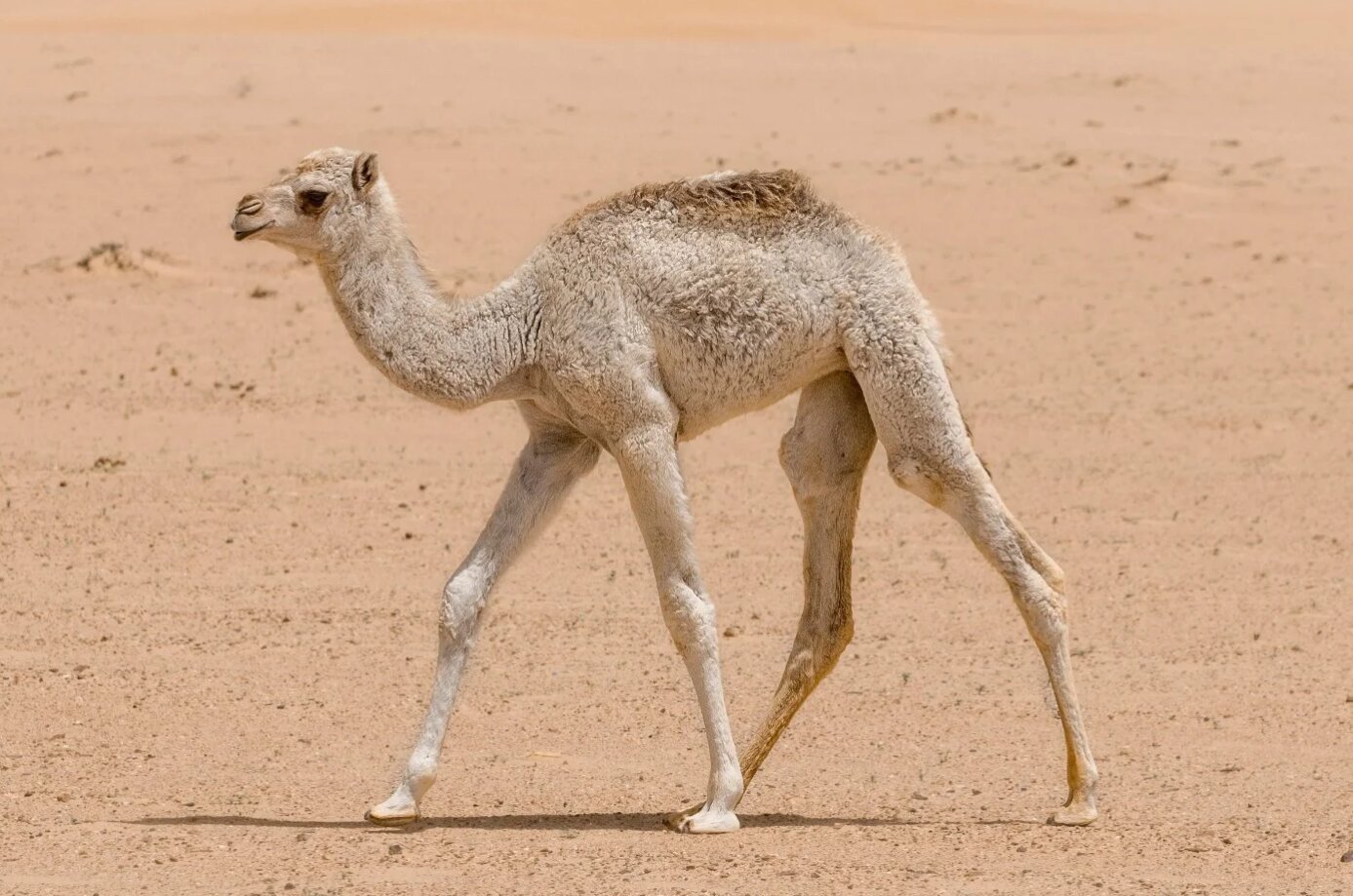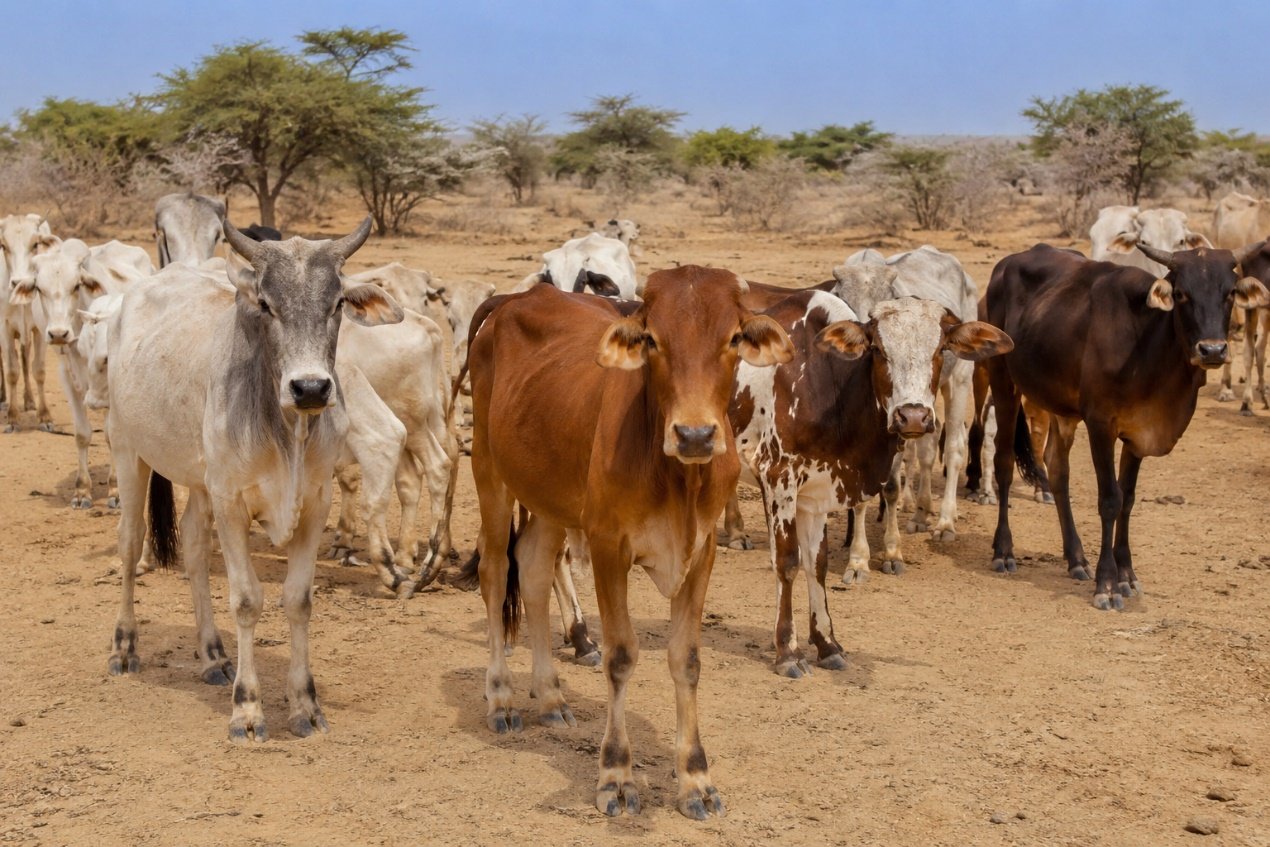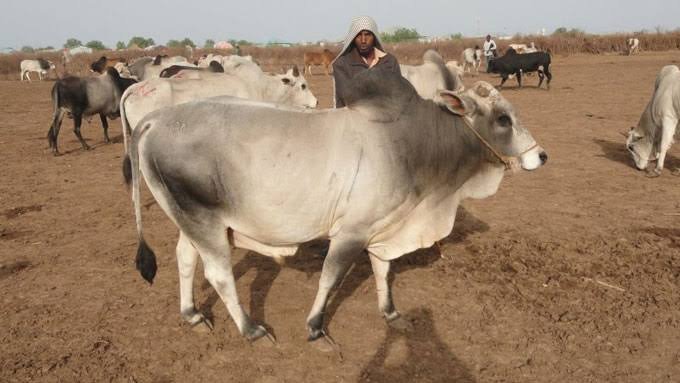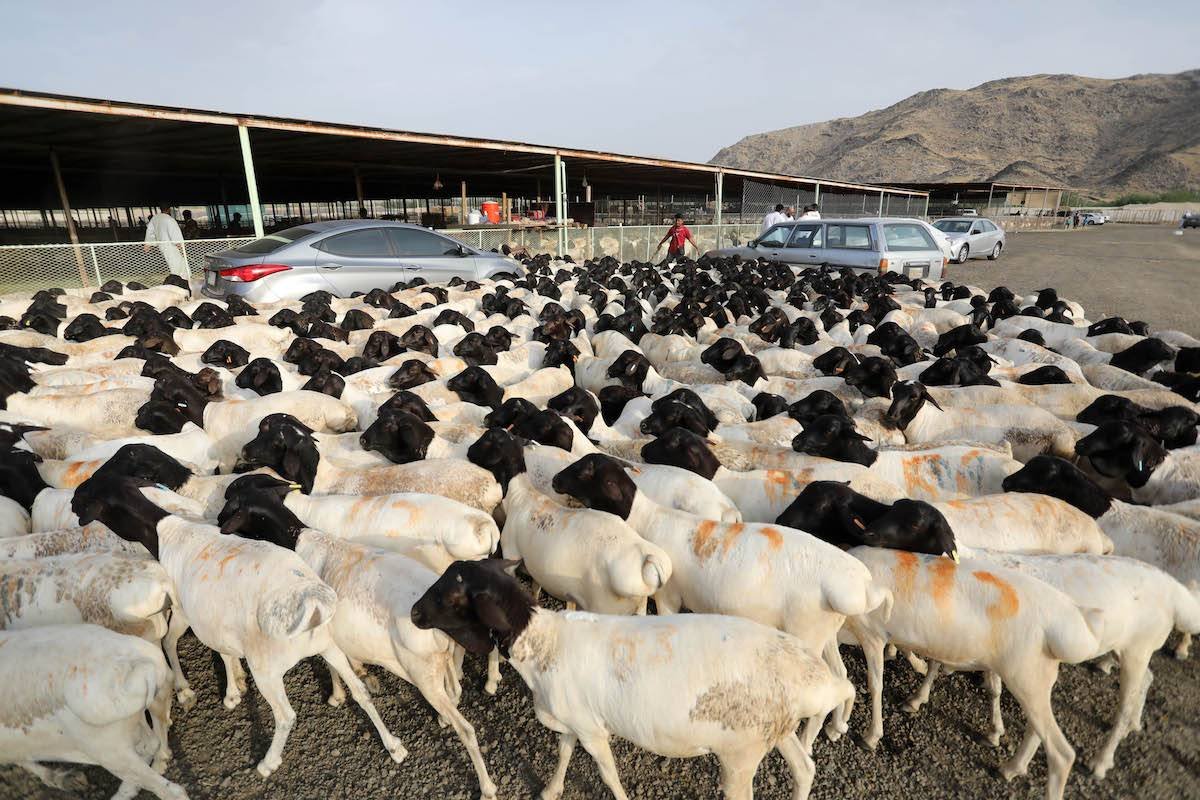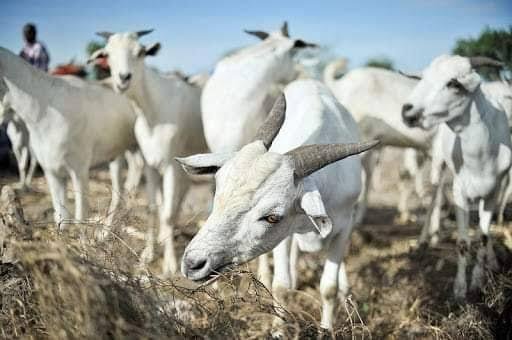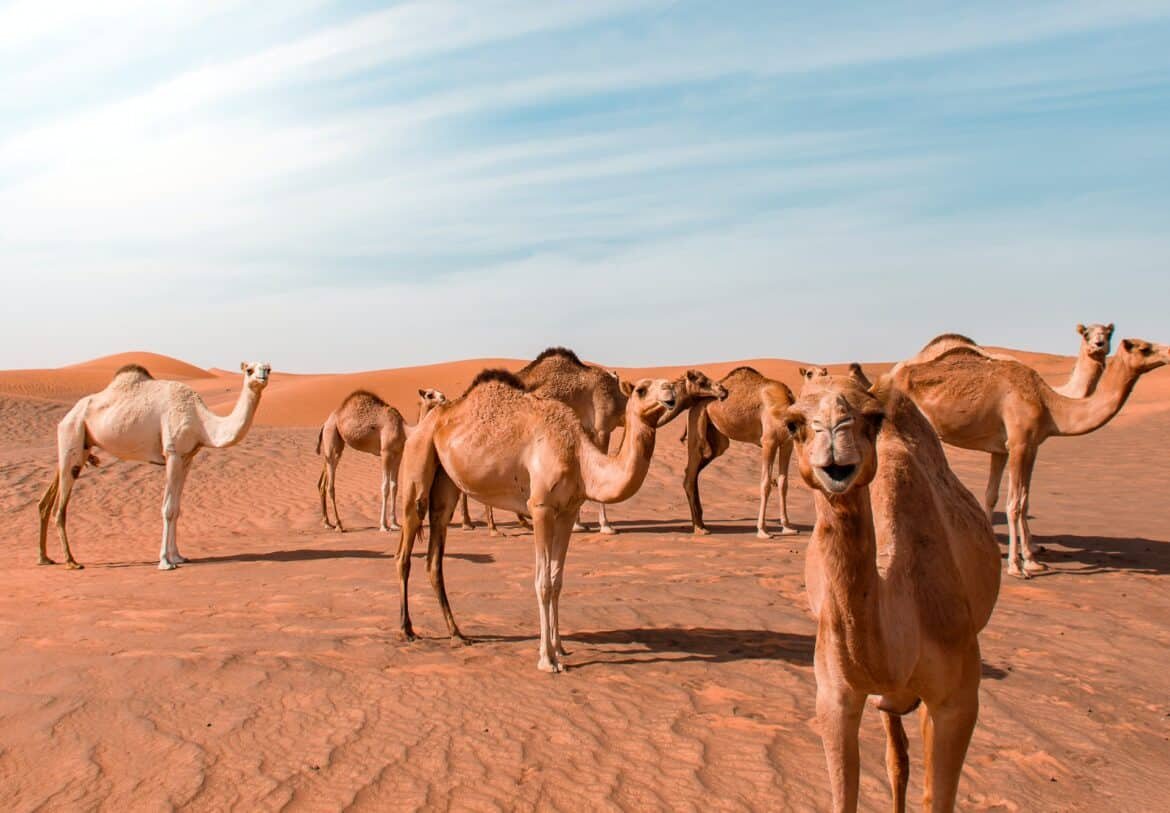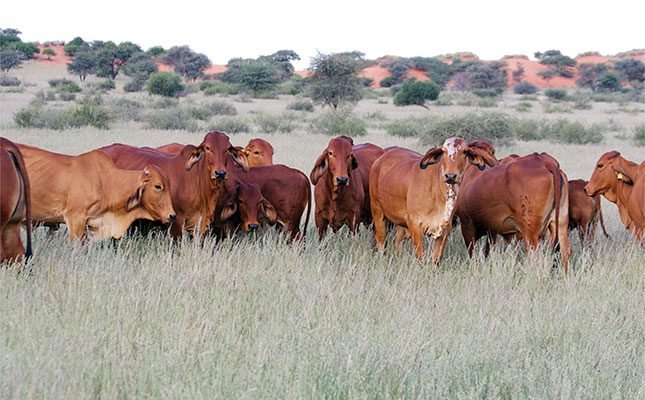
Somali Calf Prices: What Determines the Deal Cost and How to Get the Best Value?
Discover the key factors behind Somali calf prices and how to compare quotes wisely to get the best value when importing livestock from Somalia.
Updates on international trade, supply chain logistics, and agricultural export capacity.
Discover the key factors behind Somali calf prices and how to compare quotes wisely to get the best value when importing livestock from Somalia.
Learn the key criteria for choosing a reliable calf supplier in Somalia who can guarantee required quantities and consistent supply for your livestock business.
In the livestock trade, successful deals depend not only on animal quality and competitive pricing but also on the supplier's ability to consistently meet market demands. Many importers face challenges related to the unavailability of required quantities at the right time, which can lead to supply delays and the loss of significant business opportunities.
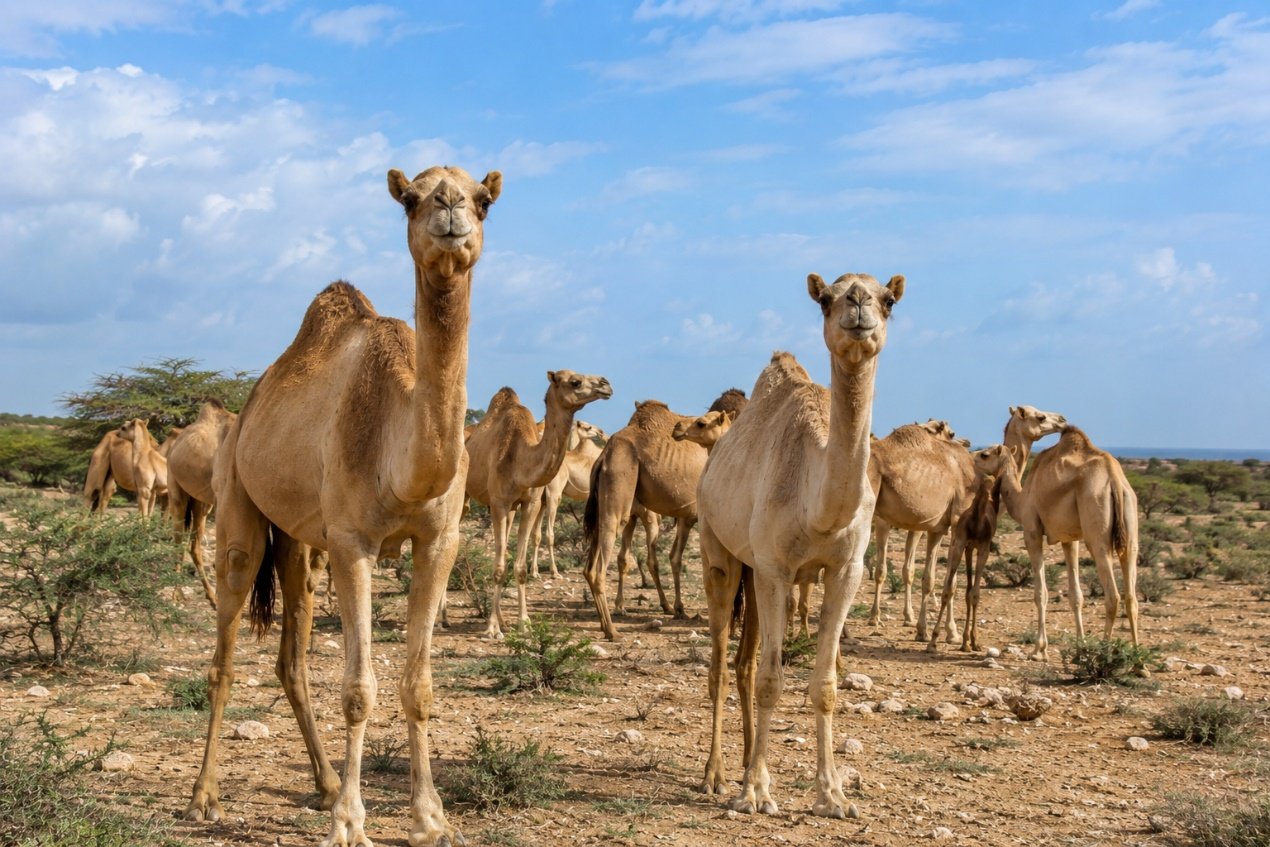
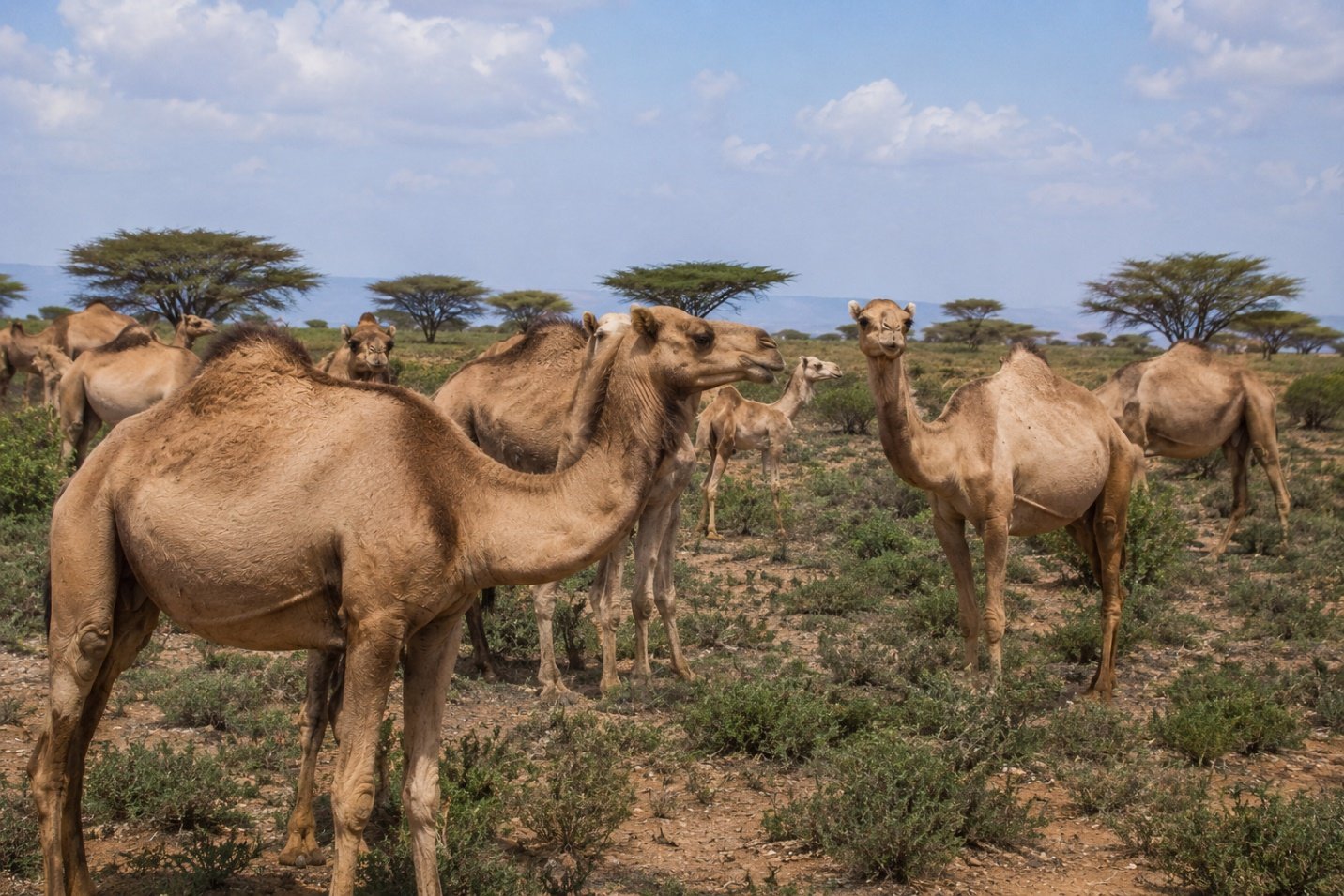
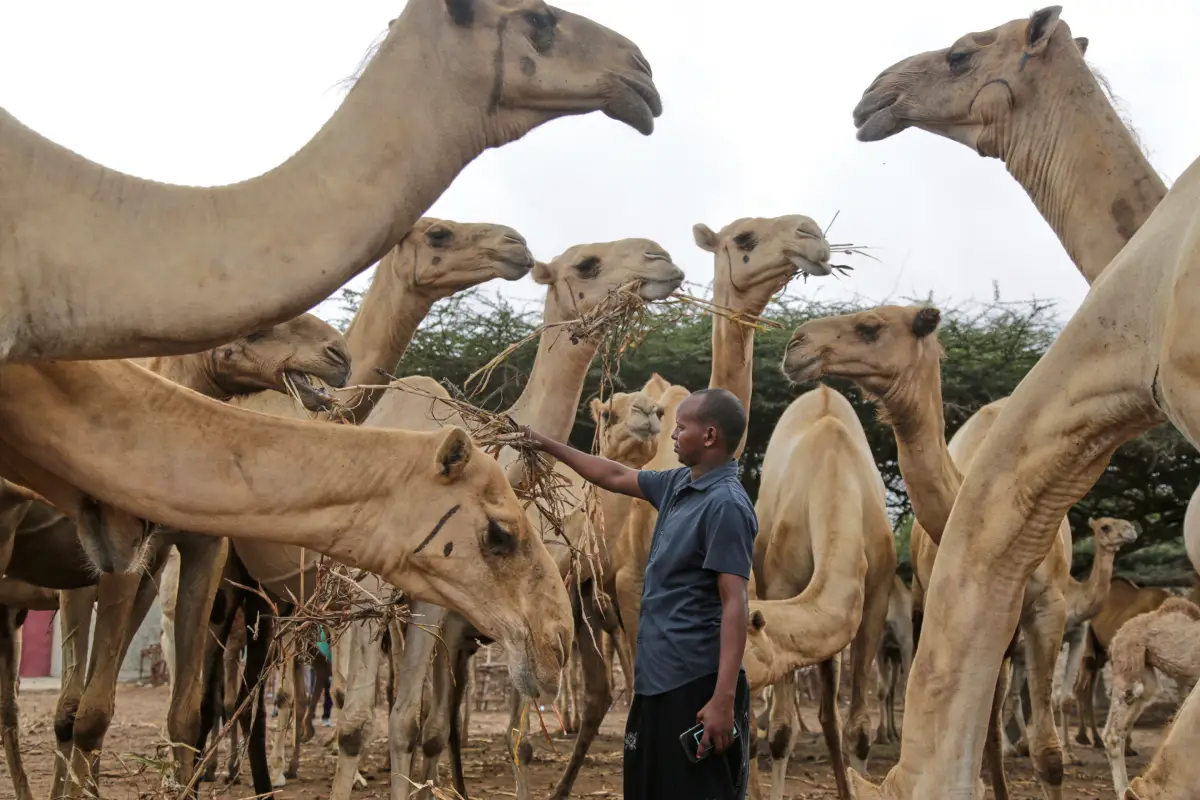
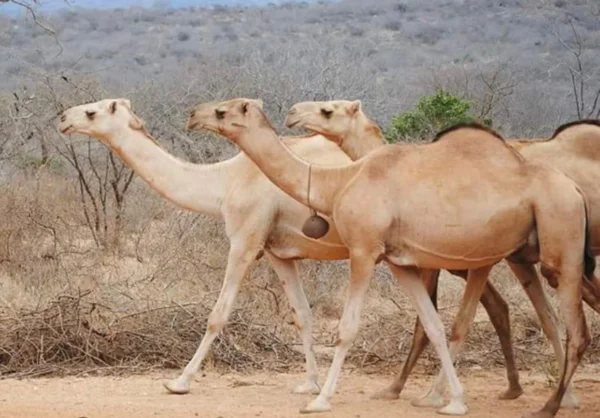
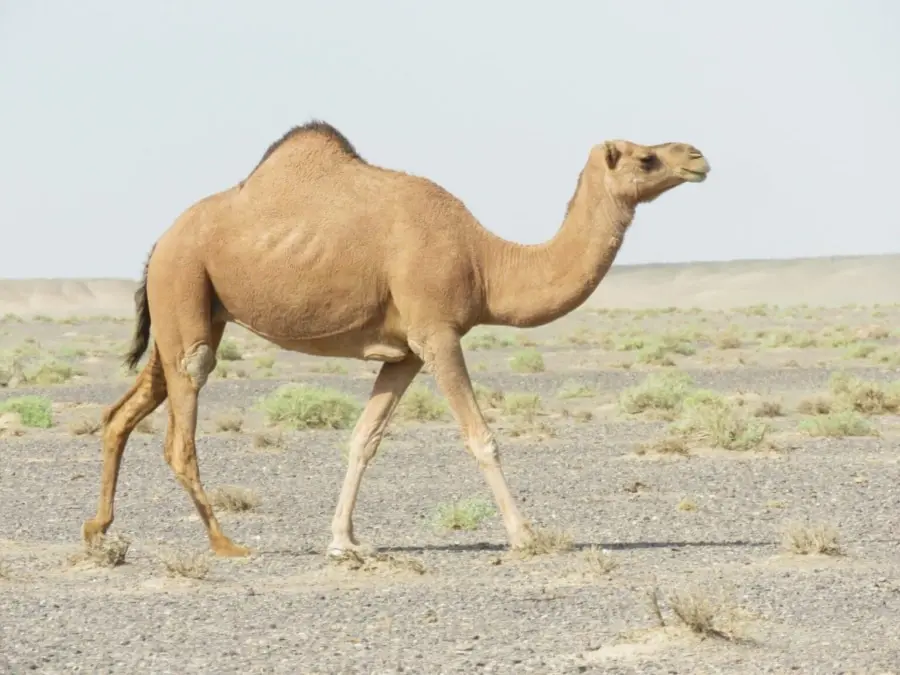
Two importers might plan to import the same number of Somali camels within roughly the same timeframe, yet the final cost of the transaction could differ significantly. While some believe the price depends solely on the number of camels ordered, the reality is that a range of other factors directly influence import and supply costs.
When a livestock importer contacts a supplier, the decision to import does not rest on the breed’s fame alone, but on how well it suits the needs of the target market. That is why importers are keen to study the breeds that can offer them suitable commercial opportunities and help them diversify their supply sources.
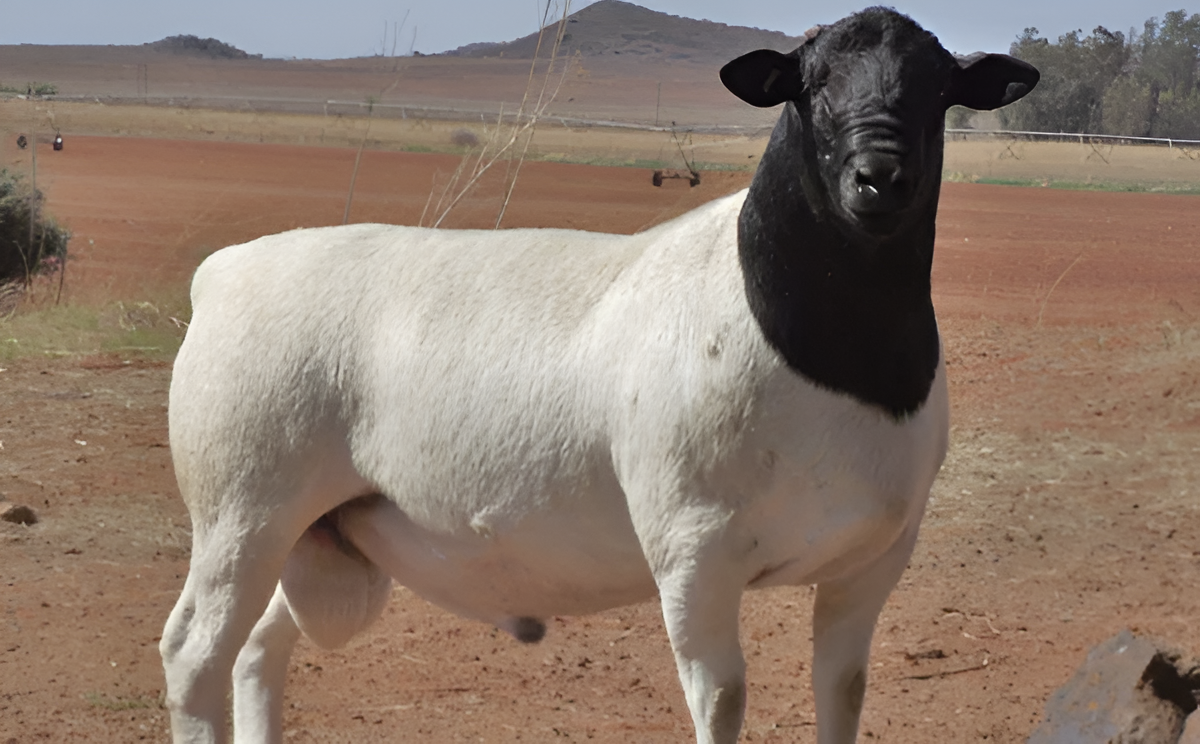
In the world of the livestock trade, not all breeds are equal in commercial value or in the level of demand within their target markets. Some breeds have managed to earn a wide reputation thanks to their productive qualities and their ability to meet the needs of importers across different countries.
Buying sheep for export is about far more than the lowest price. From supplier selection to veterinary checks and shipping, the right decisions protect quality and profit.
Halal is now a global standard for quality and trust. Choosing a certified halal carcass supplier with reliable certificates and steady supply is decisive for any food business.
Buying lambs wholesale stabilises inventory and improves cost management, but success depends on the supplier, market requirements, and good planning, not quantity alone.
With the rapid growth of the UAE's food and hospitality sector, importers need a livestock export partner that combines quality, health compliance, and reliable logistics all year round.
In the livestock trade, importers are always looking for breeds that strike a balance between quality, commercial value, and steady market demand.
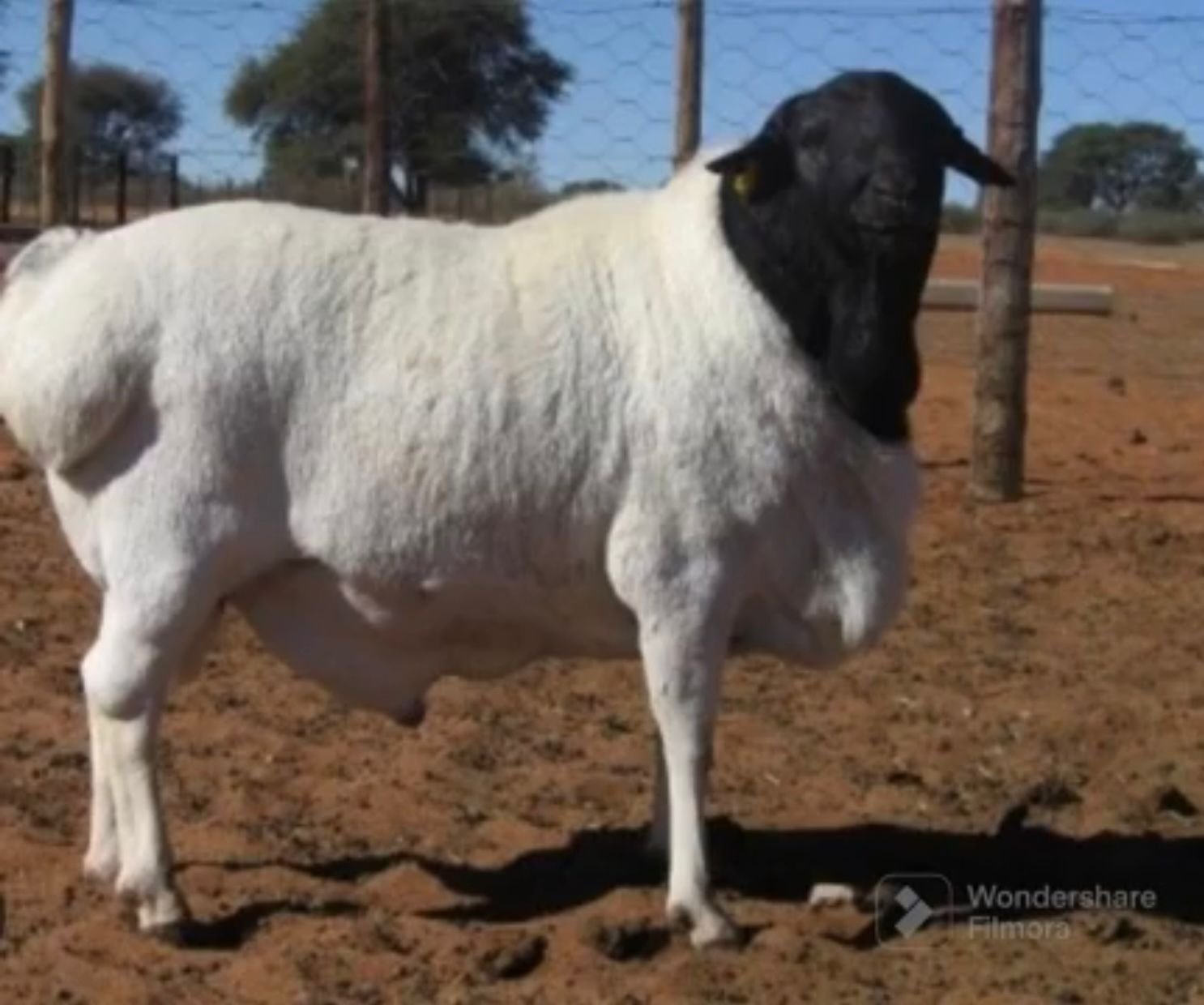
Two importers may buy an almost identical number of sheep, yet one pays a far higher cost than the other. Why is that?
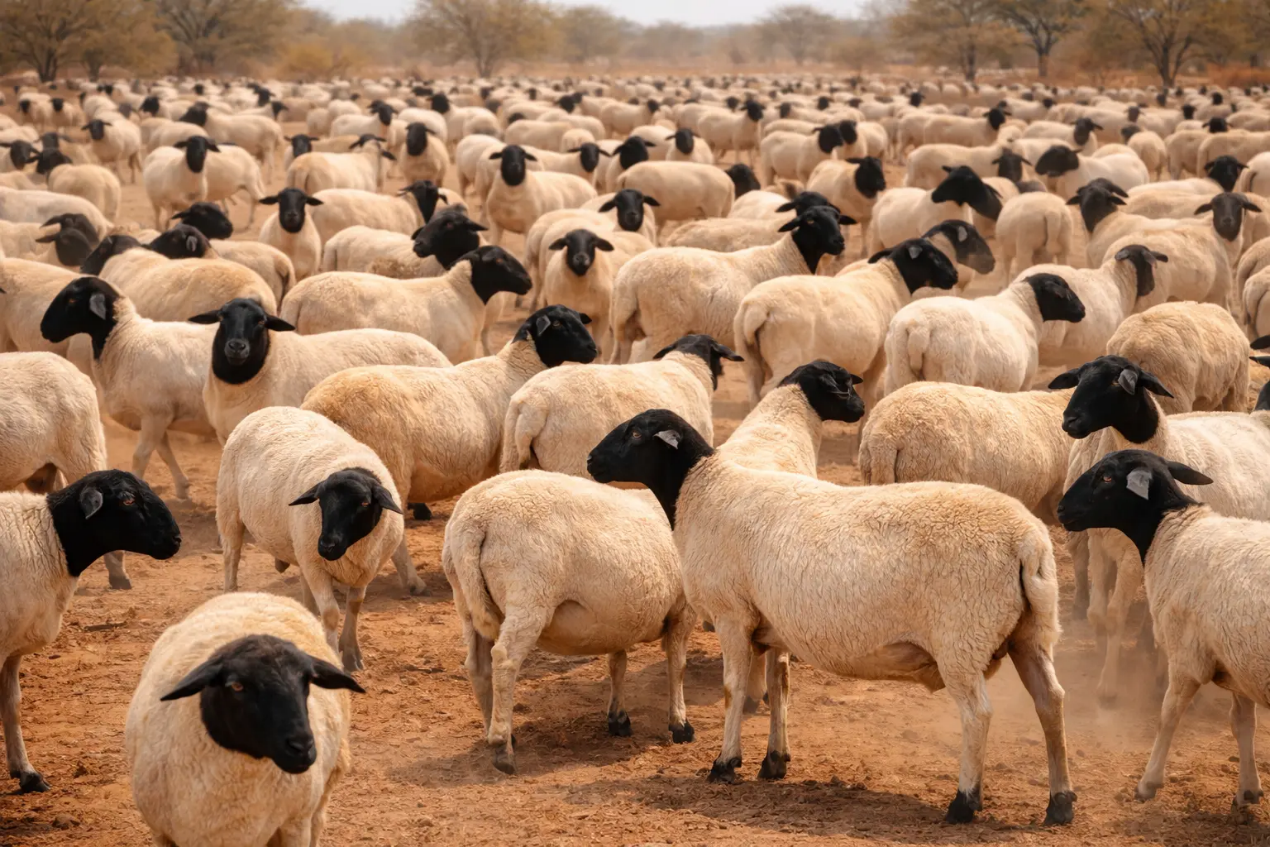
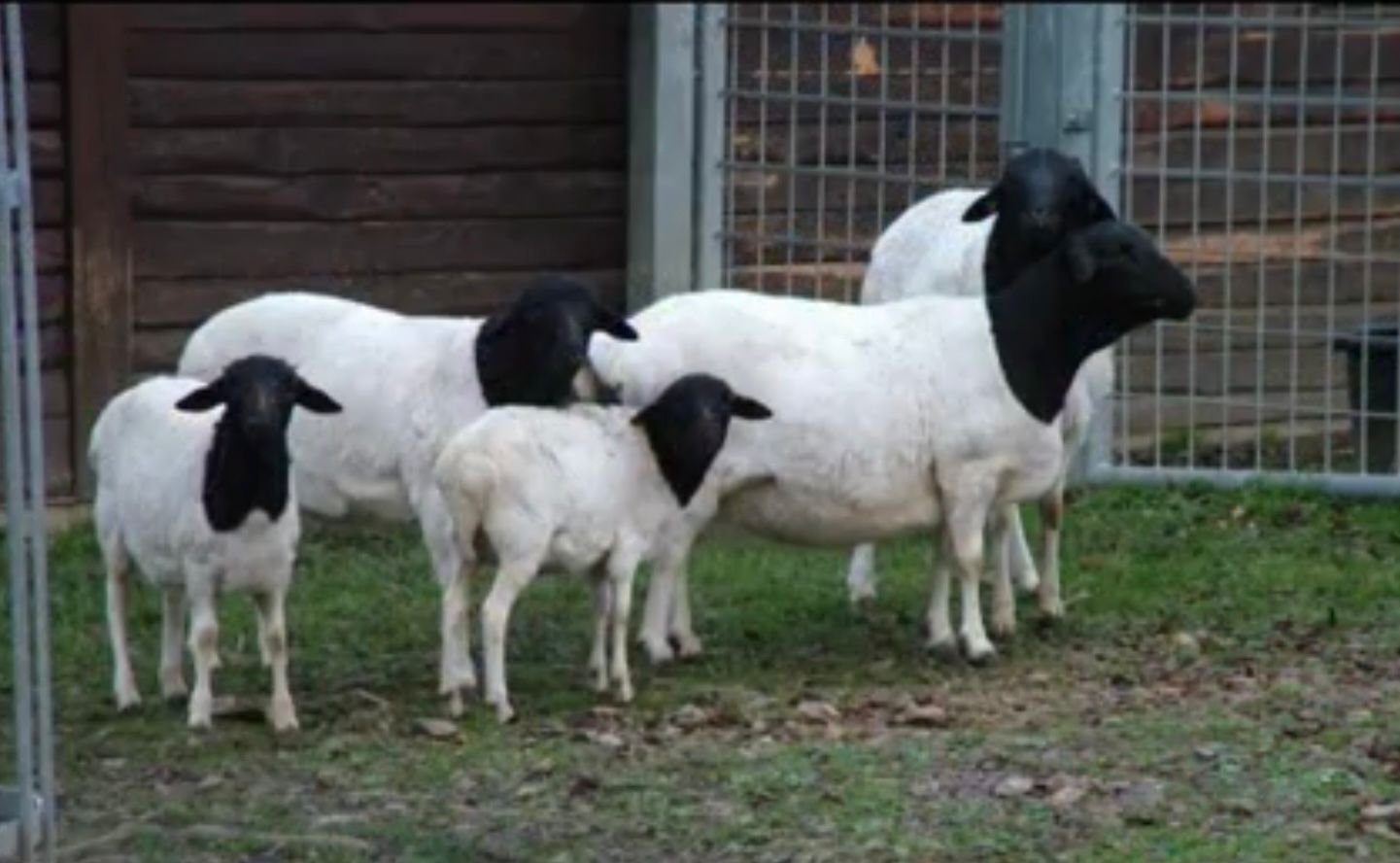
Have you ever wondered why demand for Somali sheep is rising sharply in Arab and global markets despite the many other breeds available?
In the livestock sector, traders and investors do not look for just any breed available on the market; they always seek breeds that combine high commercial value with ease of breeding.
Why do some importers in Saudi Arabia face heavy losses despite contracting with suppliers who seem professional at first?
In the livestock trade, choosing the right breed may be an important step, but choosing the right supplier is no less important.
The Best Age for a Sheep and How to Choose the Best Livestock Supplier for Export Every year, many people face the same dilemma: Which sheep should I choose? And is this age really suitable?
With the Eid al-Adha season approaching, questions are increasing about whether imported sacrificial animals are better than local ones.
Did you know that choosing an unsuitable age for sacrifice may invalidate it according to Islamic law?
In the livestock import market, distinguishing between breeds is a fundamental pillar for investment success. Livestock traders in Saudi Arabia, the UAE, and Kuwait always search for the best in terms of meat quality and dressing percentage.
The Saudi Arabian market is the largest destination for our operations, especially with the increasing demand for Hady and Udhiya. In this guide, we explain how MHS Group manages export operations professionally.
In international livestock trade (B2B), a small mistake can lead to significant losses. Therefore, choosing the right supplier is a strategic decision for your business in all countries.
Livestock export from Somalia to GCC countries (Saudi Arabia, UAE, Qatar, Bahrain, Oman, Kuwait) requires strict health protocols that we adhere to at MHS Group to ensure continuity of supply
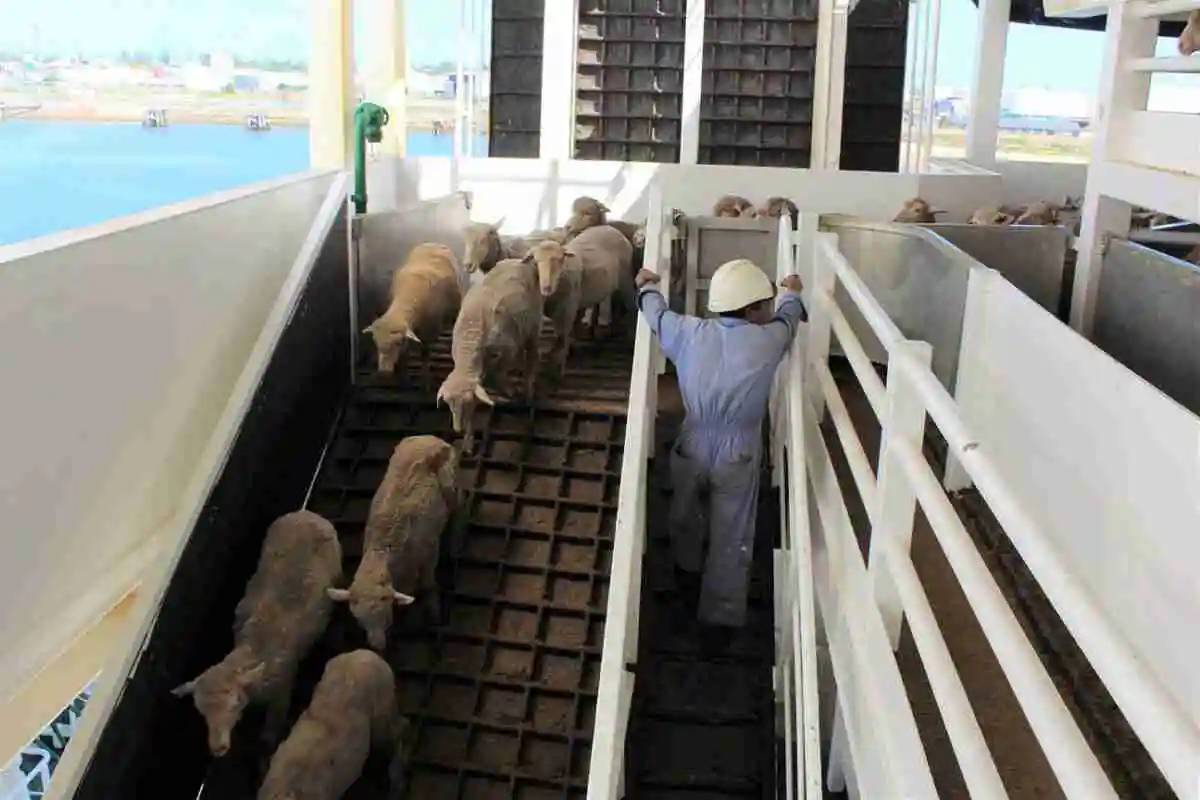
The arrival of camels, calves, and sheep in excellent condition to our clients in Oman, Yemen, Lebanon, Syria, and Saudi Arabia is not a coincidence. It is the result of a complex logistical journey managed by MHS Group.
Share your market, product line, and approximate volume. We will route the inquiry through the right origin and logistics channel.
Prefer email? info@mhsgroup-export.com