Calf supplier for Egypt: preparing for demand before Ramadan
Before meat demand rises in Ramadan, importers need the right calves on the right schedule. Learn how slaughter and fattening calves differ, what to define before ordering from a calf supplier for Egypt, and how to plan supply.
Before meat demand rises in Ramadan, the real work has already started. Have the right quantities been secured? Do the calves match their intended purpose? Is supply arranged for the time the market needs the shipment?
For an importer, buying livestock means more than getting a number of head. It is a business decision tied to the market, the timing of demand, and import and shipping requirements. That is why a company that specializes in livestock export makes a difference when building a supply plan.
MHS Group Export exports livestock from Somalia and South Africa to several Arab markets. Its services cover calves, camels, and sheep from Somalia, plus Dorper sheep, Boer goats, and meat from South Africa. In Egypt the company focuses on calves and camels, so finding the right calf supplier for Egypt starts with understanding the market before settling the shipment details.
What does the Egyptian market need in calves before Ramadan, and why do those needs differ from Saudi Arabia and the Gulf?
Why does importing calves to Egypt need preparation before Ramadan?
Live calf shipments need coordination across several stages. They start with setting quantities and choosing a suitable source, move through import and veterinary procedures, and end with transport, shipping, and arrival.
Leaving the supply decision late can leave the importer with fewer options, especially when demand is tied to a specific season.
Egypt's import plans in previous seasons show how much preparation Ramadan takes. They included plans to import large numbers of calves to meet market demand.
Planning for the season therefore covers the whole supply chain, arranged around expected demand, and not only the purchase itself.
What types of calves does the Egyptian market need before Ramadan?
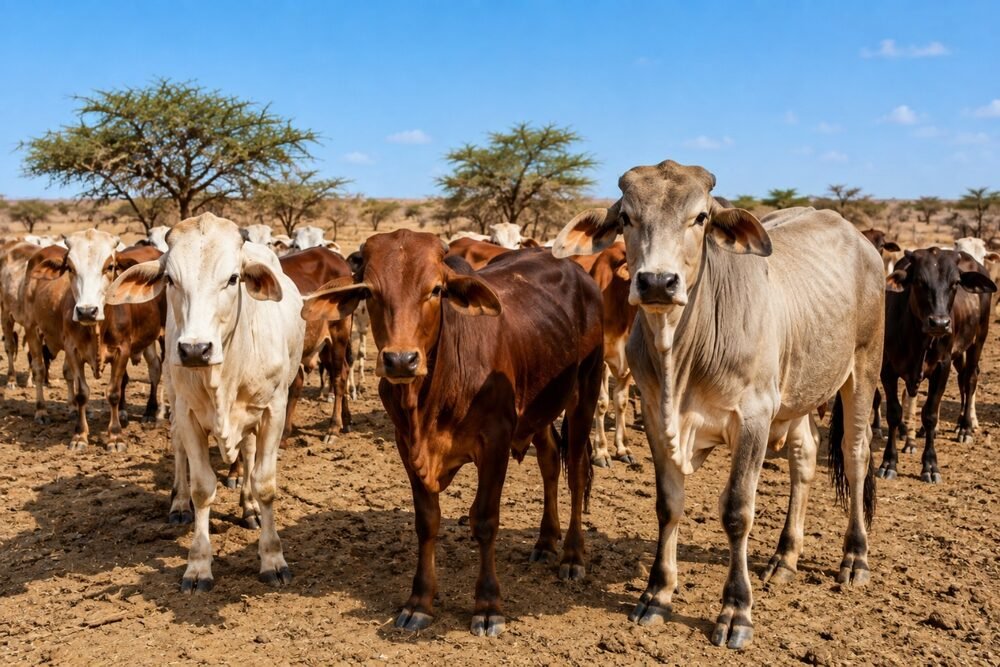
An importer's needs depend on the purpose of the shipment, so not all calves can be treated as one product.
Calves for immediate slaughter
These shipments meet direct demand for meat. Their success depends on when the animals arrive and on meeting the health and veterinary requirements before they reach the market.
Calves for raising and fattening
This type suits importers or projects that raise calves for a period before selling them. Here, capacity to raise the animals, feed supply, and management of the fattening period become part of the business decision.
Egypt's earlier import plans included both types, which shows that the market needs more than calves ready for slaughter.
Why do Egypt's calf needs differ from Saudi Arabia and the Gulf?
Egypt and the Gulf states are both important livestock markets, but each market's needs depend on consumption patterns, the type of trade, and the seasons that drive demand.
Under its current strategy, MHS Group Export focuses on calves and camels in Egypt and on sheep and camels in Saudi Arabia and the Gulf.
The right product for one market is not necessarily the one another market wants, even when both come from the same source. The importer therefore needs to define their market before choosing the livestock they will rely on.
This matters most when planning for high-demand seasons, because supply succeeds when the product fits the market. Having animals available is not enough.
Calf supplier for Egypt: what to define before ordering a shipment
Before contacting the supplier, the importer should have a clear picture of their needs. A detailed request makes it possible to discuss supply options accurately.
The key details to define:
The approximate number required.
The purpose of the import.
The target arrival window for the shipment.
The market or business the shipment will serve.
Any required specifications.
Possible future orders, if your business depends on repeat supply.
The clearer this information is, the easier it is to assess whether the shipment can be supplied and to arrange its details with the supplier.
How does Ramadan preparation affect a calf import plan?
High-demand seasons make coordination between every stage of the import process more important.
After defining the need, the importer has to follow up on the required procedures, prepare documents, and coordinate shipping and arrival. They also need to allow for changes in transport conditions or import requirements.
Leaving enough time between signing the contract and the date the shipment is actually needed gives the importer room to handle changes instead of making rushed decisions.
Managing the Ramadan season starts with a clear supply plan, not a last-minute search for a shipment.
Why do veterinary procedures matter when importing calves to Egypt?
Live animals imported into Egypt are subject to veterinary requirements and procedures that protect the national herd and public health.
The details vary with the country of origin, the type of shipment, and the requirements in force at the time of import, so the importer needs to confirm that the official requirements are met before shipping.
Early coordination between importer and exporter matters here, because completing the requirements in advance reduces the risk of procedural delays.
Read more: The best age for sheep and how to choose the best live animal supplier for export
How does the supplier help the importer carry out the supply plan?
A supplier can do more than provide animals. It can take a central part in the commercial coordination before the shipment goes ahead.
Importers usually need a supplier that can:
Discuss the shipment's needs clearly.
Confirm the quantities it can provide.
Explain the options available for the order.
Coordinate the expected delivery date.
Understand the market the shipment targets.
Provide the information needed before a purchase decision.
Contacting the supplier then becomes a practical step that turns the importer's need into a supply order that can be carried out.
MHS Group Export: livestock supply for the Egyptian market

MHS Group Export works in livestock export from Somalia and South Africa to Arab markets, serving importers and traders according to the needs of each market.
The company's activities include:
Calf exports from Somalia.
Camel and sheep exports from Somalia.
Dorper sheep, Boer goat, and meat exports from South Africa.
Service for livestock importers in Egypt, Saudi Arabia, Oman, and other Arab markets.
Supply options matched to each client's needs.
In the Egyptian market, the company focuses on calves and camels, matching the needs of importers looking for livestock supply sources for this market.
Why start by contacting MHS Group Export?
Once the importer has a clear need, the next step is to discuss the shipment details with a specialist exporter.
By contacting MHS Group Export, the importer can set out the number of head, the purpose of the import, and the expected timing, then discuss the supply options that fit the shipment and the market's requirements.
This keeps negotiation clear, instead of relying on a general price that does not reflect the actual order. Our guide to Somali calf prices explains what determines the cost of a deal.
Contact MHS Group Export
If you plan to supply calves to Egypt ahead of Ramadan or to meet your business needs, contact the MHS Group Export team to discuss the shipment details and available supply options.
Egypt office: +20 155 741 2975
South Africa office: +27 774 540 935
Somalia office: +252 906 790 210
Contact form: Send your shipment details
Related products:
Frequently asked questions
What is a calf supplier for Egypt?
A calf supplier for Egypt is a company that provides calves and coordinates their supply to the Egyptian market according to the importer's needs, the shipment requirements, and the procedures in force.
When should planning for calf imports before Ramadan start?
Start defining needs and coordinating with the supplier well before the season, so there is enough time to review procedures and arrange shipping and arrival.
What is the difference between slaughter calves and fattening calves?
Calves for immediate slaughter meet direct demand for meat, while calves for raising and fattening go through a raising cycle before they are sold or slaughtered.
What procedures are required to import calves to Egypt?
Procedures vary with the country of origin, the type of shipment, and the official requirements in force. They include veterinary and import requirements that must be met before the animals arrive.
Can calves be imported from Somalia to Egypt?
Importers can discuss supply options under the requirements in force, and define the quantities, the purpose of the shipment, and the date they need it before supply procedures begin.
Does MHS Group Export supply calves for the Egyptian market?
MHS Group Export exports calves from Somalia, as well as camels and sheep, and serves livestock importers in Egypt and several other Arab markets. Contact the company to learn about the available supply options.
Conclusion
Meeting the Egyptian market's needs in seasons of high meat demand takes more than buying a number of calves. It starts with defining the purpose of the shipment and understanding the market, then coordinating procedures, supply, and shipping to the required schedule.
Because Arab markets have different needs, the right supplier is one that understands the market and offers options that fit the importer's needs. MHS Group Export brings its experience exporting livestock from Somalia and South Africa, with a focus on calves and camels for Egypt.
If you are looking for a calf supplier for Egypt to meet your business needs or prepare for Ramadan, contacting MHS Group Export early lets you discuss your shipment's needs and the right supply options.
Read also: