Halal meat supplier: how to secure a consistent spec and steady supply
A halal meat supplier is judged by the fourth shipment, not the first. Learn how to define the spec, check the halal certifier, and protect quality along the cold chain.
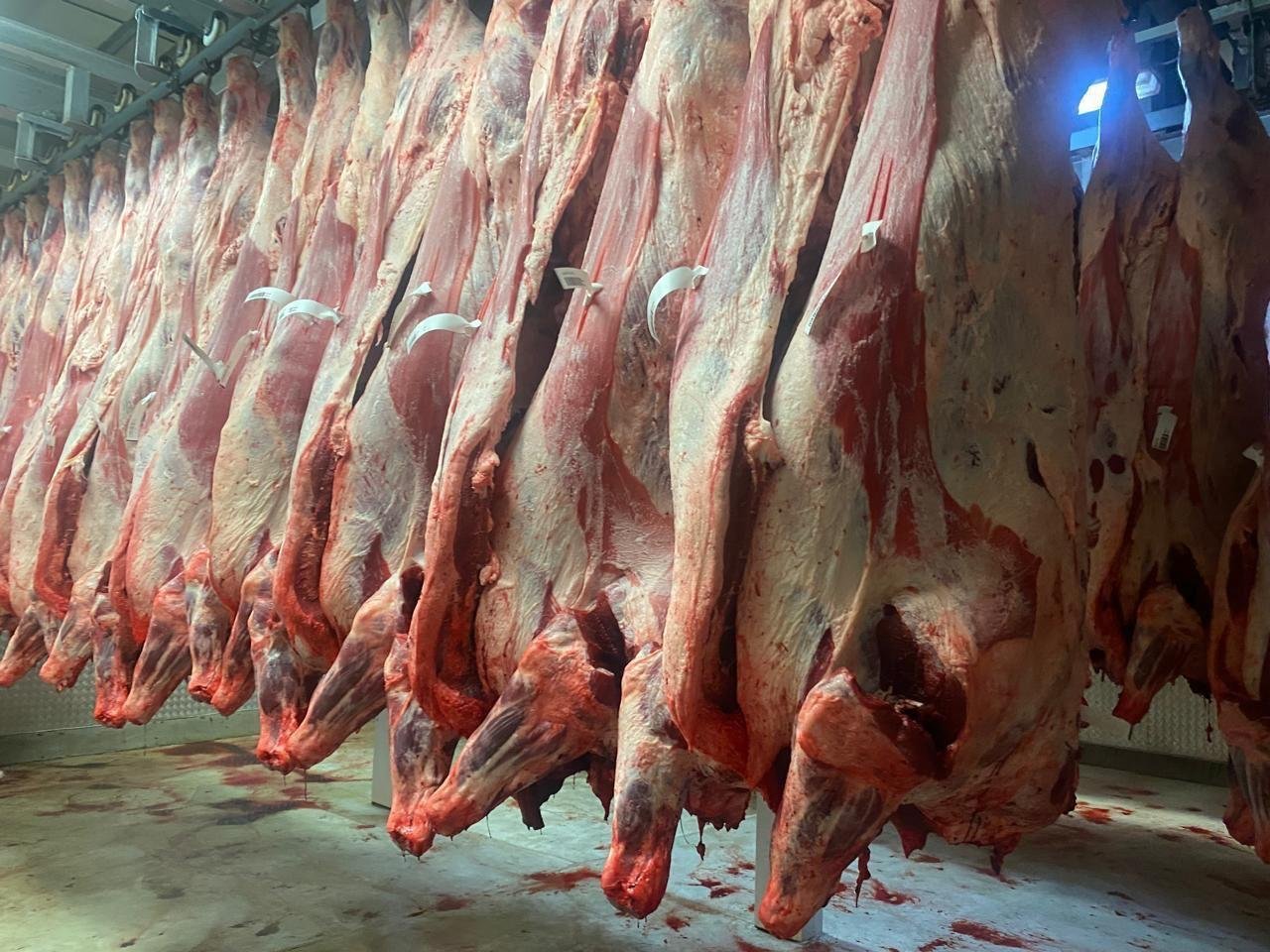
In the meat trade, the first shipment is rarely the problem. Problems show up in the third or fourth shipment, when something in the spec changes or a delivery slips, and that hits the importer's commitments to their own customers straight away.
MHS Group Export exports halal meat from South Africa to Arab and global markets. That is why you should not judge a halal meat supplier by the first offer, but by whether they can repeat the same spec shipment after shipment.
So what should an importer settle before signing a contract?
Chilled or frozen meat: which suits your business?
Choosing between chilled and frozen is not a question of quality. It is a question of fit with your business and your storage capacity.
Chilled meat has a shorter shelf life and stricter transport and storage requirements. It suits businesses with a fast sales cycle and a market that is relatively close.
Frozen meat gives more storage flexibility and longer periods before consumption. It suits businesses that rely on continuous stock or on longer shipping distances.
Settle this point with your halal meat supplier before discussing price, because it changes the shipping, storage, and total cost.
Read more: A certified halal carcass supplier for Arab and global markets
Halal meat supplier: what should the spec define?
"Excellent quality meat" does not work as a contract spec, and it protects neither side in a dispute. Define these instead:
- Product type: whole carcasses, quarters, or cuts.
- Condition: chilled or frozen.
- Average target weights.
- Packing method and pack size.
- Labeling details the target market requires.
- Quantity per shipment and the expected shipment schedule.
- Port of arrival.
These details turn a verbal understanding into a written reference both sides can rely on.
Why does the halal certificate's issuing body matter so much?
Having a halal certificate is not enough on its own. What matters is the body that issued it and whether your import market recognizes that body.
Each market has its own rules on recognized bodies, and requirements can change with the regulations in force at the time of import. Ask the supplier directly who issues the certificate, and check your market's requirements before you sign, not after.
This simple step lowers the chance of a shipment being held at clearance.
What affects the cost of a meat shipment?
There is no single price, because the final cost is made up of several items:
Product type and cut: value differs between whole carcasses, quarters, and specific cuts.
Condition: transport and storage arrangements depend on whether the product is chilled or frozen.
Quantity: deal terms vary with order size and how often shipments repeat.
Packing and labeling: pack requirements and printed details affect preparation cost.
Transport and shipping: this item changes with the route, the transport method, and the cooling requirements.
Import requirements: animal products go through procedures and conditions that belong in the deal plan.
What marks a meat supplier that can supply continuously?
The gap between a supplier fit for one deal and a supplier fit for a supply program shows in specific points:
- Repeating the same spec in every shipment.
- A clear expected shipment schedule.
- Coordinating documents and certificates in advance.
- Reporting any change before shipping, not after.
- Discussing larger volumes as the importer's business grows.
- Experience with the requirements of different markets.
These points let an importer commit to their own customers with confidence.
How does the cold chain affect the spec on arrival?
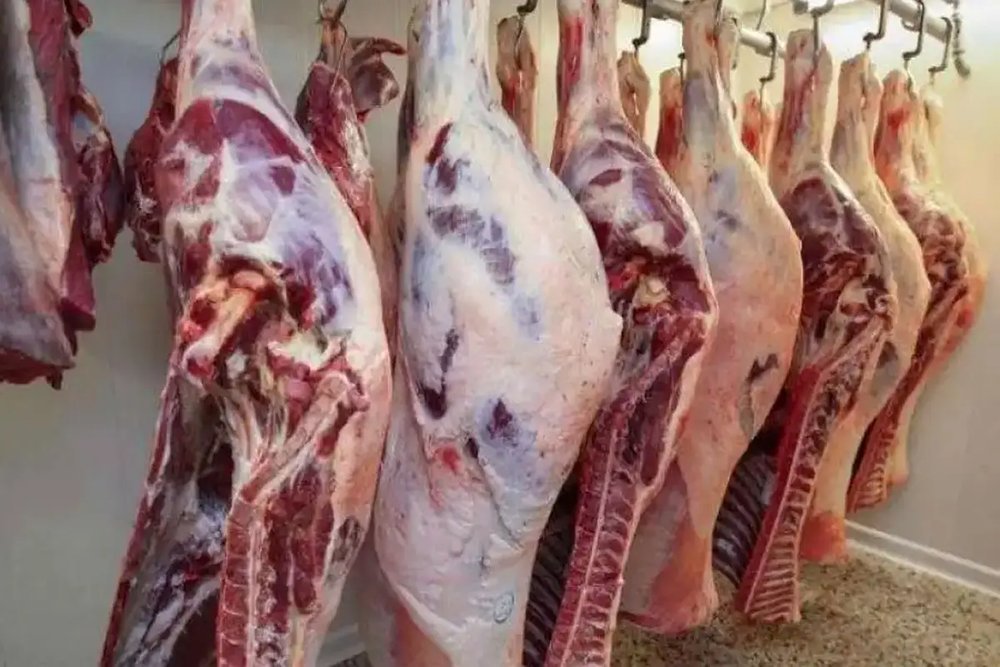
The two sides fix the agreed spec at preparation, but keeping it depends on what happens next.
Chilled and frozen meat depend on stable storage and transport conditions along the whole route. Any break in that chain can change the condition of the product on receipt, even when the spec at preparation was fully sound.
So the importer should discuss these points with the supplier:
- How the product is stored at the processing facility before shipping.
- Transport arrangements to the port of loading.
- The container type and how it is loaded.
- The expected voyage time to the port of arrival.
- What data or documents the importer can receive about the shipment.
The importer's own readiness is part of the equation too: they need to arrange receiving and storing the shipment as soon as it is released, in a way that suits the product.
Discussing these details before signing is not a sign of distrust. It is normal practice between serious parties in the meat trade.
How does MHS Group Export serve meat importers?

MHS Group Export exports livestock and meat from Somalia and South Africa to Arab and global markets. Its supply lines include:
- Meat exports from South Africa.
- Dorper sheep exports from South Africa.
- Boer goat exports from South Africa.
- Sheep and calf exports from Somalia.
- Camel exports from Somalia.
- Service for importers in Saudi Arabia, Egypt, Oman, and other Arab markets.
This experience lets importers discuss product type, quantity, packing, and shipment schedule based on their business.
Contact MHS Group Export
If you are looking for a halal meat supplier that can supply continuously to a consistent spec, contact the MHS Group Export team to discuss your needs.
- Egypt office: +20 155 741 2975
- South Africa office: +27 774 540 935
- Somalia office: +252 906 790 210
- Contact form: Send your shipment details
Related products:
Frequently asked questions
What is the difference between chilled and frozen meat?
Shelf life and transport and storage requirements differ between the two. The choice depends on the importer's business, storage capacity, and the sales cycle in their market.
How do I confirm that a halal certificate is recognized in my market?
Ask the supplier directly who issues it, and check the target market's requirements and the regulations in force at the time of import before you sign.
What should a meat shipment spec define?
Product type, condition, average weights, packing method, labeling details, quantity, shipment schedule, and port of arrival.
Can I contract for repeat shipments instead of a single one?
Yes, and it is the better option when your business depends on continuous stock, because a supply program gives clearer quantities and dates.
What documents are needed for meat shipments?
They usually include commercial documents, health certificates, and the halal certificate. The details vary by country of origin, target market, and the regulations in force.
How do I request a quote for a meat shipment?
Define the product type, condition, quantity, packing, target market, and required date, then contact the supplier to discuss availability and shipping options.
Conclusion
Choosing a halal meat supplier is a decision whose effect lasts well beyond the first shipment. What builds an importer's reputation in their market is a consistent spec and reliable dates, not a one-time price.
An importer who writes the spec precisely, checks who issues the halal certificate, and agrees a clear shipment schedule lays the groundwork for a supply relationship that serves the business over the long term.
Read also: