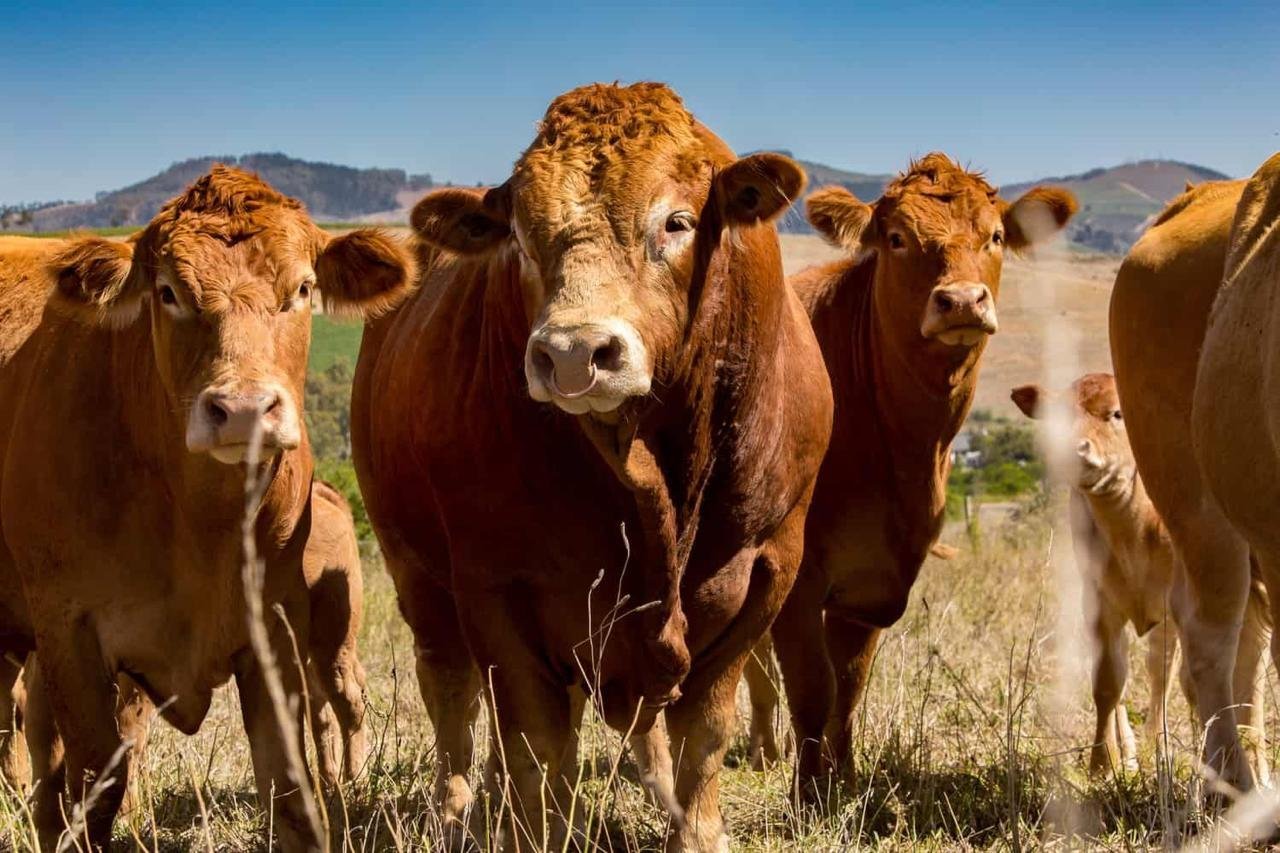
South African cattle for export: choosing the breed for your program
The right breed depends on your program, not the trade name. Compare the breeds offered as South African cattle for export and see what to include when you order.
What confuses a new importer most in the cattle market is not the price but the number of breeds on offer. Every name sounds good on paper, yet the breed that works in a fattening program may not suit a breeding project or wholesale supply.
MHS Group Export supplies cattle, sheep, and goats from selected farms and production networks in South Africa, through programs built for breeding, fattening, commercial slaughter, and wholesale supply. So any talk of South African cattle for export starts not with the trade name of a breed but with the purpose the shipment will serve.
So how does an importer choose the right breed for their business?
Why do importers turn to South African origin?
South Africa is a well-known origin in the livestock trade for the range of its commercial breeds. That range gives importers several options within one origin instead of having to deal with several sources.
The range has practical value. An importer who serves more than one sales channel, say a breeding project and a fattening program, can discuss all of it with one partner, which simplifies supply and shipping.
And when a breed sits inside an organized supply program, the importer is discussing a defined spec that can be repeated, not just whatever shipment happens to be available.
Which breeds do South African cattle export programs offer?
Export breeds differ in the commercial purpose they serve, and that is the most important criterion when choosing:
Angus
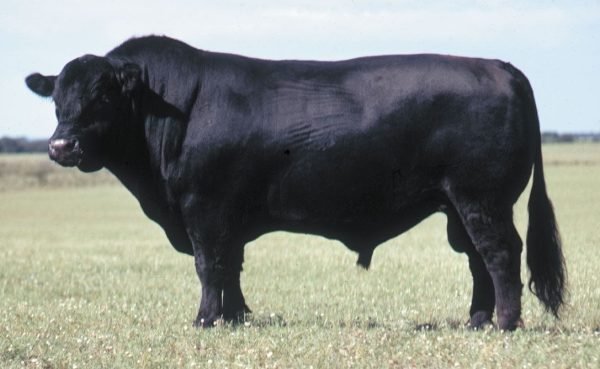
Offered in breeding and beef programs. It suits buyers who run breeding and meat operations at the same time.
Beefmaster
Aimed at commercial meat importers looking for a beef breed within a regular supply program.
Bonsmara
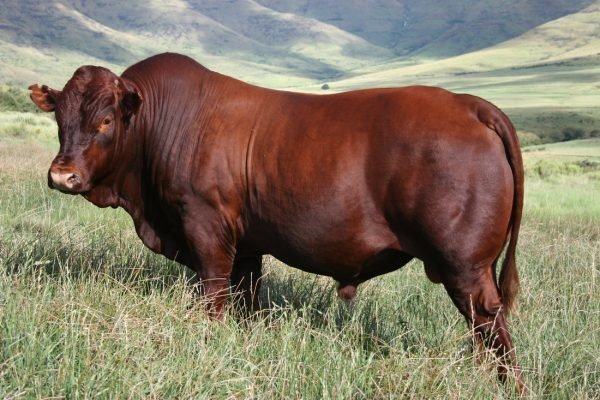
Suits wholesale cattle distributors, meaning importers who resell the shipment to several buyers in the local market.
Brahman
Requested by buyers in hot-climate markets, because the breed is known for tolerating heat.
Simmental
Serves mixed markets that need both meat and breeding stock.
No breed is "best" in absolute terms. The best one is the one that fits your business and the preferences of the market you sell in.
Read more: A South African Boer goat supplier for trade and export
How does the program type decide the right breed?
The purpose of the shipment reorders every other criterion. The available programs come down to four:
Breeding program: the breed is judged by how well it suits the importer's herd-building plan, and age range and sex are core parts of the order.
Fattening program: starts from weight on arrival and age range, since these set the start and length of the feeding program.
Commercial slaughter: the spec centers on the required live weight and the grade that suits the end market.
Wholesale supply: the importer needs a breed that sells easily to several buyers, and steady supply matters more than a rare spec.
Naming the program in your first message saves both sides whole rounds of discussion and gets you a specific answer from the supplier instead of a general one.
What details does an importer give when ordering?
An order for South African cattle for export rests on a full set of details, not on the breed alone:
- Required breed.
- Sex.
- Age range.
- Required live weight range.
- Number of head.
- Purpose of the shipment.
- Target market and port of arrival.
Each of these items changes the offer you receive. A message that includes all of them gets a precise answer, while a message that asks only about price gets a general reply you cannot build on.
Read more: Livestock export journey: from farm to port
South African origin or Somali origin: what is the difference?
A number of importers in Arab markets work with both origins, because each plays its own part in the supply plan.
Somali origin has long ties to the livestock trade with the Gulf and Egypt, a firm place in local consumption in these markets, and covers sheep, calves, and camels.
South African origin stands out for the range of commercial breeds offered through defined breeding, fattening, and slaughter programs.
A general comparison does not settle the choice. What your market asks for and the nature of your program do. Many importers combine both origins depending on the type of shipment and the season.
Why should a quote start from the spec, not the other way round?
A common pattern: the importer opens with a question about price per head, then finds the offer does not match what they had in mind.
The reason is that price per head is not a fixed number. It results from a set of decisions: breed, age range, weight range, purpose, target market, and shipping arrangements on the required route.
So the right order is to define the spec first, then ask for an offer based on it. This step keeps the importer from comparing unequal offers, because the cheaper offer may rest on a lower spec rather than better efficiency.
How does MHS Group Export serve cattle importers?

MHS Group Export supplies and exports livestock and meat from South Africa and Somalia to Arab markets. Its supply lines include:
- South African cattle exports through breeding, fattening, commercial slaughter, and wholesale supply programs.
- Dorper sheep and Boer goat exports from South Africa.
- Meat exports from South Africa.
- Sheep, calf, and camel exports from Somalia.
- Service for importers in Saudi Arabia, Egypt, Oman, and other Arab markets.
Programs are prepared by breed, sex, age range, weight range, quantity, purpose, and target market, including selection, inspection, and preparing the shipment for the required route.
Contact MHS Group Export
If you plan to import South African cattle for export programs, contact the MHS Group Export team to discuss breed, specs, quantities, and supply and shipping options.
- Egypt office: +20 155 741 2975
- South Africa office: +27 774 540 935
- Somalia office: +252 906 790 210
- Contact form: Send your shipment details
Related products:
Frequently asked questions
What is the best cattle breed to import from South Africa?
No breed is best in absolute terms. The choice depends on the purpose of the shipment and the market, so a breed that suits a breeding program may not suit wholesale supply.
How do South African cattle breeds differ?
They differ by the buyer they serve: some are aimed at commercial meat buyers, some at wholesale distributors, some at hot-climate markets, and some at mixed markets.
Can I import more than one breed in one supply plan?
Yes. You can discuss more than one supply line with the supplier, with a separate spec, quantity, and delivery date for each breed.
What details are needed to request a quote?
Breed, sex, age range, live weight range, number of head, purpose of the shipment, target market, and port of arrival.
Does the spec for fattening cattle differ from slaughter cattle?
Yes. A fattening program starts from weight on arrival and age range, while commercial slaughter centers on the live weight the end market requires.
What documents are needed to import cattle?
Live animal shipments go through veterinary and import procedures and documents that vary by country of origin, target market, and the regulations in force at the time of import.
Conclusion
Choosing a breed is not a formality. It decides whether the shipment will actually serve your business or leave you with stock that is hard to sell.
An importer who starts from the purpose (breeding, fattening, slaughter, or wholesale supply), then sets the breed, sex, age range, and weight, negotiates from a clearer position and gets an offer they can rely on.
South African cattle for export programs offer a range of breeds within one origin, which makes them worth considering when you plan for your market's needs.
Read also: