
Sheep supplier for export: how to choose a shipment for your market
Two importers can get the same sheep and different results. Learn how to define the spec with a sheep supplier for export, compare Somali and Dorper sheep, and avoid disputes.
Two importers take the same sheep shipment. One gets a good result, while the other finds the animals do not suit their market. The cause is usually not the quality of the animals but a gap between the spec they needed and the spec that arrived.
MHS Group Export provides livestock supply from Somalia and South Africa to Arab markets and helps importers define their needs by breed, quantity, and timing. So when you look for a sheep supplier for export, confirming the quantity is available is not enough. You also need to judge whether the supplier can prepare the required spec and arrange the export procedures.
So what should an importer settle before ordering a sheep shipment?
What defines the spec of a sheep shipment?
Demand for sheep is not measured by head count alone, but by how well the animals fit the business the importer serves.
A trader selling straight to consumers in the Eid al-Adha season has a different spec from a distributor supplying slaughterhouses and processing plants. Demand in Gulf markets also differs from Egypt in breed and preferred weight.
So the first step with any sheep supplier for export is to define who will finally receive the animals. That one fact narrows the options and makes the discussion with the supplier more precise.
Sheep supplier for export: what should you prepare before ordering?
"I need sheep for export" is not enough to define the right shipment. Prepare this information before you get in touch:
- Number of head.
- Preferred breed, if any.
- Average target weight.
- Age range for your business.
- Whether the shipment is for breeding, fattening, or slaughter.
- Target market and port of arrival.
- Expected arrival date.
- Expected volumes in later shipments, if you plan repeat orders.
The clearer the order, the easier it is for the supplier to confirm what they can supply and discuss alternatives.
Read more: How to choose a reliable sheep and livestock supplier without risk
Somali sheep or South African Dorper: what is the difference?
Importers in Arab markets work with more than one sheep origin, and each origin has traits that suit one business better than another.
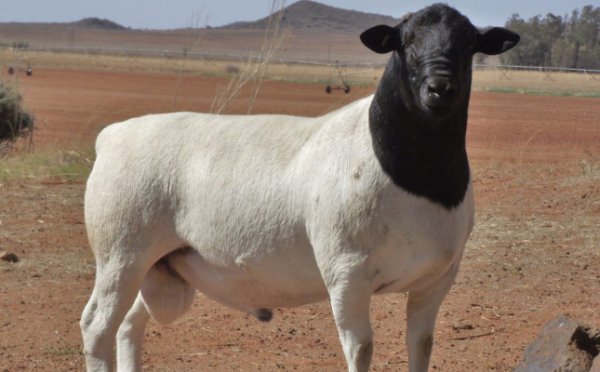
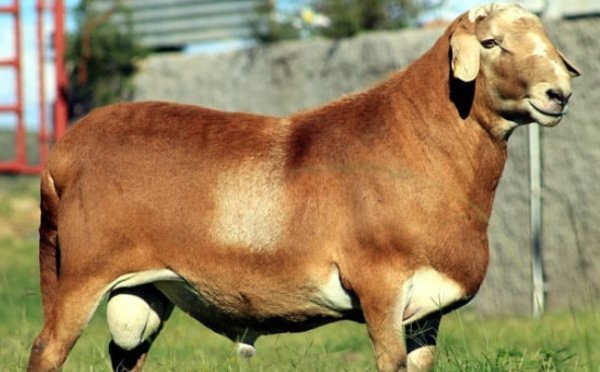
Somali sheep have long ties to the livestock trade with Gulf markets. They include the Black Head breed known in the region, and they have a firm place in local consumption in these markets.
Dorper sheep are a breed associated with South Africa. The trade judges them by their build and how well they suit certain breeding systems.
Neither is better in absolute terms. The better one is the one that matches the preferences of the market you sell in. So discuss the breed with your sheep supplier for export based on the target market, not on the name alone.
Read more: South African Dorper sheep: why do importers and investors prefer them?
What affects the cost of a sheep shipment?
Export sheep have no single price, because the value of a deal changes with the details of each shipment. The main factors are:
Number of head: deal terms vary with order size.
Weight and age range: a higher spec changes the value of the shipment, so define it before you ask for a price.
Breed and country of origin: preparation and supply costs differ by source.
Transport and shipping: transport arrangements are part of the total cost and change with the shipment route.
Delivery date: pressure on availability and shipping rises in high-demand seasons.
Import requirements: live animals go through veterinary and import procedures that belong in the plan.
So asking for a price per head on its own does not give a full picture of the final cost.
What should a professional sheep supplier provide?
A specialist supplier's role does not end with selling animals. It starts with understanding the spec and coordinating quantity, timing, and export procedures.
What an importer needs most:
- Clear information on available quantities and breeds.
- The specs the supplier can actually provide.
- Clear expected delivery dates.
- Preparing the shipment as agreed.
- Experience with livestock export procedures and the related documents.
- Room to discuss the needs of future shipments.
These points matter more when the importer wants a steady supply relationship rather than a single deal.
What should you agree in writing before shipping?
Many disputes over sheep shipments come not from bad faith but from both sides relying on a verbal understanding that was never written down.
A written agreement should include these terms:
- The breed and age range, stated clearly.
- Average weight as a defined range, not a single fixed number.
- Number of head and any agreed tolerance.
- The target shipping date and port of arrival.
- The documents the importer will receive, and when.
- How the two sides will communicate if anything changes before shipping.
These terms do not complicate the business relationship. They simplify it. A serious supplier does not mind writing them down, and an importer who asks for them saves a long discussion after the shipment arrives.
A written agreement also makes repeat shipments easier, because the second shipment builds on a clear reference instead of a fresh negotiation each time.
How does MHS Group Export serve sheep importers?

MHS Group Export exports livestock and meat from Somalia and South Africa to Arab markets. Its supply lines include:
- Sheep and calf exports from Somalia.
- Camel exports from Somalia.
- Dorper sheep exports from South Africa.
- Boer goat exports from South Africa.
- Meat exports from South Africa.
- Service for importers in Saudi Arabia, Egypt, Oman, and other Arab markets.
This experience lets importers discuss breed, quantity, spec, delivery date, and shipping options based on their shipment.
Contact MHS Group Export
If you are looking for a sheep supplier for export that fits your business, contact the MHS Group Export team to discuss quantities, specs, and supply options.
- Egypt office: +20 155 741 2975
- South Africa office: +27 774 540 935
- Somalia office: +252 906 790 210
- Contact form: Send your shipment details
Related products:
Frequently asked questions
What is the best sheep breed for export?
No breed is best in absolute terms. The choice depends on the target market's preferences and the purpose of the shipment, whether breeding, fattening, or slaughter.
How do I set the target weight for a sheep shipment?
Set it by your business and the final buyer of the animals, and agree it in writing as an average weight range in your order.
Can I import Somali sheep and Dorper sheep together?
Yes. You can discuss more than one supply line with the supplier, with a separate spec, quantity, and delivery date for each type.
What documents are needed for sheep shipments?
Live animal shipments go through veterinary and import procedures and documents that vary by country of origin, target market, and the regulations in force at the time of import.
What is the difference between a breeding shipment and a slaughter shipment?
The spec differs in age, weight, and grade, so define the purpose of the shipment at the start of the discussion with the supplier.
How do I order an export sheep shipment?
Start by defining the number of head, breed, weights, target market, and required date, then contact the supplier to discuss availability and supply procedures.
Conclusion
Choosing a sheep supplier for export is not a search for the lowest price. It is a search for a partner who can turn your business need into a shipment that matches the spec and arrives on time.
An importer who defines the breed, weight, purpose, and market before asking for a price negotiates from a clearer position and lowers the chance of a dispute after the shipment arrives.
Read also: