Goat supplier for export: what to define before you order a shipment
The right goat shipment starts with a clear spec. See what to prepare before contacting a goat supplier for export, how purpose shapes the order, and how to compare offers.
The goat trade in Arab markets is more varied than it looks. Buyers in one market may prefer a spec that sells poorly in the market next door, and the difference between a smooth shipment and a troubled one starts with defining the spec before shipping, not after.
MHS Group Export exports livestock from Somalia and South Africa to Arab markets, including South African Boer goats. So when you look for a goat supplier for export, you need to judge whether the supplier can prepare the spec you need and coordinate the export procedures.
So what decides the right shipment for your business?
What sets apart the goat types traded for export?
Several goat types move between African and Arab markets, and buyers judge each one by how well it fits a consumption pattern or a breeding program.
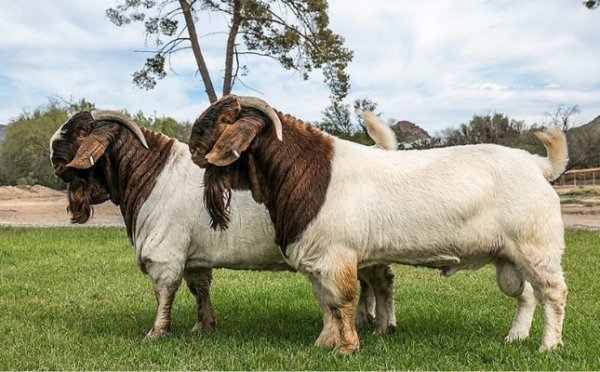
Boer goats are a breed associated with South Africa. The trade treats them as a meat breed, and both breeding and fattening buyers ask for them.
The Barbary goat is known in Arab and North African markets and has a place in local consumption in several of them.
The name alone does not settle the choice between them. The preferences of the market you sell in and the purpose of the shipment do.
Read more: A South African Boer goat supplier for trade and export
Goat supplier for export: what information should you prepare?
Before you contact a supplier, turn your business need into a written spec:
- Number of head.
- Preferred type or breed.
- Age range.
- Average target weight.
- Purpose of the shipment: breeding, fattening, or slaughter.
- Target market and port of arrival.
- Expected delivery date.
- Expected future volumes, if you plan repeat orders.
These details turn a general inquiry into a business discussion the supplier can answer precisely.
How does the purpose of the shipment shape the spec?
The purpose of the shipment reorders every other spec.
Breeding shipments call for specs tied to age range, health status, and how well the animals suit the importer's breeding program.
Fattening shipments start from age range and weight on arrival, since these set the starting point of the feeding program.
Slaughter shipments focus on weight and the grade the end market asks for.
Stating the purpose in your first message saves both sides whole rounds of discussion.
What affects the cost of a goat shipment?
There is no fixed price, because the final cost is made up of several items:
Number of head: deal terms vary with order size.
Type and breed: preparation costs vary with the type and its origin.
Age and weight: the spec you ask for directly affects the value of the shipment.
Country of origin: supply and preparation arrangements differ by source.
Transport and shipping: this item changes with the route and the transport method.
Import requirements: live animals go through veterinary and import procedures that belong in the deal plan.
Why do veterinary procedures matter in goat shipments?
Veterinary procedures are a core part of importing live animals and cannot be separated from shipment planning.
Shipments go through inspection procedures that confirm they are safe and meet the official requirements in force. These requirements vary by country of origin, target market, and the regulations in force at the time of import.
Importers should therefore confirm the procedures their market requires before shipping, and coordinate with the supplier on the documents and certificates for the shipment.
How does the target market affect the choice of goat type?
Consumer preferences differ from market to market, and that difference decides what an importer can sell easily.
In some markets, demand follows types with a long local presence in consumption habits. Other markets are open to imported types that buyers judge by weight and build.
So the question that comes before choosing a type is not "which type is best?" but "what do my customers actually ask for?" An importer who starts there avoids a whole shipment that may find no buyers in their market.
Raise this point openly with the supplier. A supplier who works with several markets has a practical sense of which types sell in each.
How do you compare offers from goat suppliers?
Comparing offers on price alone gives an incomplete picture, because the cheapest offer may rest on a different spec or less suitable shipping arrangements.
A sounder comparison puts these items side by side:
The spec offered: do the type, age range, and average weight match what you asked for, or only come close?
Clear available quantity: did the supplier state how many head they can supply, or only give a general confirmation?
Delivery date: is the date fixed and tied to a schedule, or open?
Shipping arrangements: what route is proposed, and how does it affect the total cost?
Documents: has the supplier said what the importer will receive, and when?
Repeatability: can the supplier deliver the same shipment again if the first one works?
Put these items in a simple table and the ranking of the offers often changes from the ranking by price alone. An importer who compares on spec and commitment reaches a steadier decision than one who compares the final number only.
How does MHS Group Export serve goat importers?

MHS Group Export exports livestock and meat from Somalia and South Africa to Arab markets. Its supply lines include:
- Boer goat exports from South Africa.
- Dorper sheep exports from South Africa.
- Sheep and calf exports from Somalia.
- Camel exports from Somalia.
- Meat exports from South Africa.
- Service for importers in Saudi Arabia, Egypt, Oman, and other Arab markets.
Contact MHS Group Export
If you are looking for a goat supplier for export, contact the MHS Group Export team to discuss the type, quantity, spec, and supply options.
- Egypt office: +20 155 741 2975
- South Africa office: +27 774 540 935
- Somalia office: +252 906 790 210
- Contact form: Send your shipment details
Related products:
Frequently asked questions
What is the difference between Boer goats and Barbary goats?
Boer goats are a breed associated with South Africa and traded as a meat breed. Barbary goats are known in Arab and North African markets and have a place in local consumption there.
Are Boer goats suited to breeding or slaughter?
Buyers order them for both. The choice depends on the age range and the spec the importer sets for their business.
What is the right age for an export goat shipment?
It depends on the purpose of the shipment, so state the age range and weight in your order rather than relying on a general description.
What documents are needed to import goats?
Shipments go through veterinary and import procedures and documents that vary by country of origin, target market, and the regulations in force at the time of import.
Can I order small quantities of goats?
Shipping arrangements vary with quantity and route, so discuss the available quantity with the supplier before you set a purchase plan.
How do I order an export goat shipment?
Start by defining the type, number of head, weights, purpose, and target market, then contact the supplier to discuss availability and supply procedures.
Conclusion
Working with a goat supplier for export starts with a clear spec, not with a question about price. Type, age, weight, and purpose define the right shipment, and they also protect the importer from disputes after arrival.
Read also: