
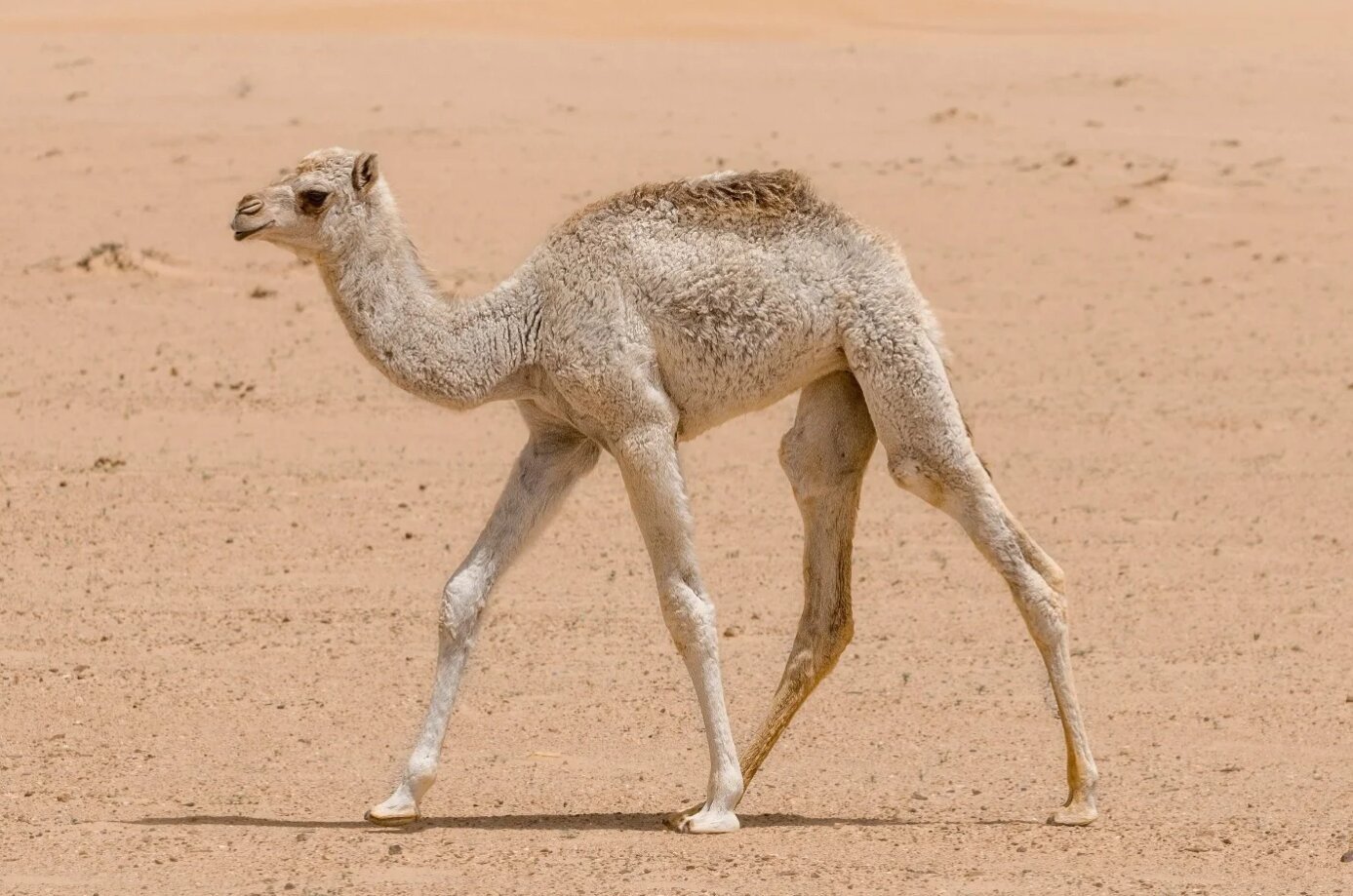
Somali camels: how Omani importers get the shipment they ordered
A step-by-step guide to importing Somali camels into Oman: choosing hashi, qa'ood, or mature camels, writing a clear order, the documents, the costs, and when to book before the season.
In Oman's camel markets, from Muscat to Salalah, a trader does not judge a deal by the price per head at purchase. The test is the condition of the camels on the day they arrive. A shipment that lands with the wrong ages, or sits in port for days over a missing document, can eat the margin before a single head is sold.
That is why an importer buying Somali camels starts work long before shipping. They define exactly what their market needs, follow the preparation of the camels in the country of origin, and get ready for the arrival procedures before the ship leaves.
MHS Group Export has worked in this trade for more than 25 years, exporting camels, hashi, and qa'ood from Somalia to Arab markets. Its Somalia office handles orders from importers in Oman and the Gulf, from selecting the camels to loading them. This article follows a shipment of Somali camels to Oman step by step: choosing the right type for your business, clearing the shipment at the port of arrival, and the factors that set its cost and the best time to order.
What makes Somali camels an option for Omani traders?
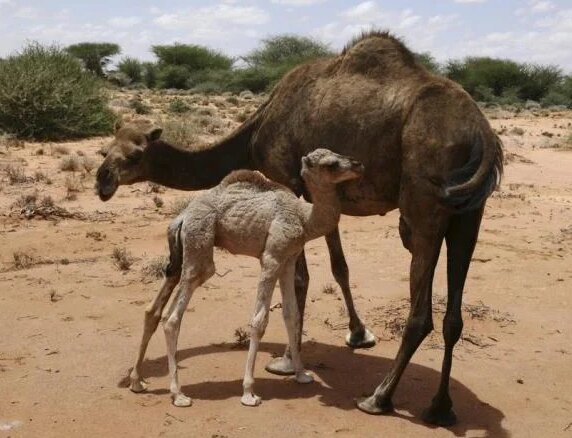
Somalia has one of the largest camel herds in the world, and most of its herders raise their camels on open natural rangeland. This has given Gulf markets a steady source of camels for many years.
Geography adds a particular advantage for the Omani market. Somali ports face the Gulf of Aden and the Arabian Sea, so the sea voyage to Oman is shorter than from more distant sources, and the shorter the voyage, the less weight the camels lose on the way.
On the demand side, camels hold a firm place in Oman, both for slaughter and the meat trade and for breeding. Relying on a single source ties an importer's business to any change in that source's prices or available numbers, so many traders and abattoir owners turn to Somali camels as an extra source that balances their purchasing.
Hashi, qa'ood, or mature camel: which Somali camels suit your business?
The right decision starts with a simple question: what will you do with the camels once they arrive? A trader who supplies abattoirs and butchers needs camels ready for slaughter, while a fattening trader looks for ages that leave room to add weight before sale. The table below shows how that shapes the choice of type:
| Type | Suits | What to watch |
|---|---|---|
| Hashi | Butchers and abattoirs that sell camel meat by the kilo | Young age and similar weights across the shipment |
| Qa'ood | Fattening traders and buyers who need higher weights | Age at shipping and the time available for fattening before sale |
| Mature camels | Demand for large carcasses during seasons and occasions | Live weight and the trader's ability to sell them within the season |
For more on each type, Hashi from Somalia and Djibouti covers why hashi are in demand in Arab markets, and Qa'ood from Somalia and Djibouti explains the qa'ood spec and its uses.
How do you turn your needs into an order a supplier can act on?
Once you have settled the type and purpose, the next step is writing the order itself. A supplier cannot give an accurate quote on a general line such as "we need camels from Somalia", but can do so when the request includes:
- Type and purpose: hashi, qa'ood, or mature camels, for slaughter or for fattening.
- Ages and weights: the age range and average weight your market accepts.
- Numbers: the head count for the first shipment and the numbers expected in later ones.
- Destination and date: the port of arrival in Oman and the date you need the camels.
An order like this cuts out much of the back and forth. The supplier can match it directly against what is available on the rangeland and give you the preparation and shipping date closest to your needs.
Read more: Livestock export protocols from Somalia to GCC markets
What happens to Somali camels before they leave the loading port?
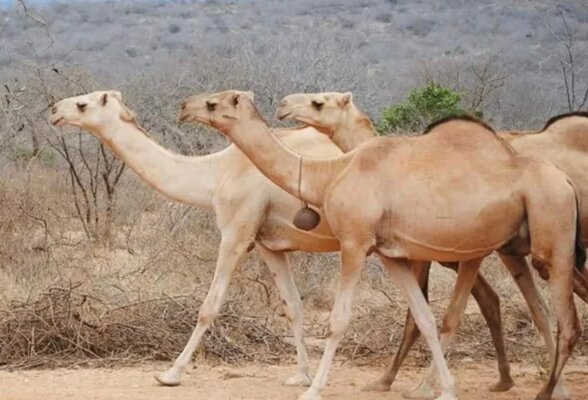
In the country of origin, a shipment goes through several stages before the camels board the ship. These stages are the basis for clearing the shipment later in Oman. The main ones are:
- Selection on the rangeland: sorting the camels by the agreed type, ages, and weights.
- Veterinary inspection: examining and vaccinating the camels, and removing any head unfit to travel.
- Documents: the veterinary health certificate from the competent authorities in Somalia, the certificate of origin, and a list of the head count and spec.
- Loading: moving the camels onto the ship with feed, water, and space suited to their number and size for the whole voyage.
Any fault at these stages travels with the shipment to the port of arrival, so before signing, ask the supplier to explain how they manage each one.
Read more: The livestock export journey from farm to port
What awaits the shipment when it reaches Oman?
Veterinary requirements in the destination country are among importers' biggest concerns, because a live shipment is only released after it passes the veterinary inspection on arrival. The importer needs an import permit from the competent authority in Oman before the ship arrives, and must confirm that the documents from Somalia are complete before it docks. The camels may also go through a veterinary quarantine period after arrival.
These requirements can change over time, so check the rules in force with the official authorities in Oman before each shipment. To compare these procedures with another Gulf market, read the camel import guide for Kuwait.
The shorter the time between docking and release, the less weight is lost, and the sooner the trader can start selling on the planned date.
What raises or lowers the cost of importing Somali camels?
The cost of a shipment cannot be read from the price per head alone. The final figure comes from factors that vary from deal to deal, starting with the type, ages, and weights of the camels, then the head count that the shipping cost is spread across: the more head, the smaller each one's share.
The calculation also includes the type and capacity of the vessel, the distance between the loading and arrival ports, and the cost of tests, certificates, and quarantine. The season has a clear effect too: demand for camels rises before Ramadan and Eid al-Adha, which increases competition for the available numbers and shipping dates.
To learn more about how camels are priced, read Somali camel prices: what factors determine import and supply costs.
When should you order Somali camels to catch the demand seasons in Oman?
Peak camel demand in Oman comes with Ramadan and Eid al-Adha, when importers compete for the same numbers and the same shipping dates. A trader who waits until the season is close before contacting the supplier may find the right numbers already booked by someone else.
To avoid that, start at least several weeks before the season. That leaves time to select and inspect the camels, prepare the documents, obtain the import permit, and ship, with a margin for any unexpected delay.
How do you check that a supplier can deliver regularly?
A first shipment can succeed with any supplier. The real test comes with the shipments that follow, when the trader needs the same numbers and the same spec on fixed dates. Before signing, ask the supplier about:
- The numbers they can supply on a regular basis.
- Their experience preparing camels for sea freight to Gulf markets.
- Their commitment to a written spec for ages and weights in every shipment.
- The shipping dates available through the year.
Why importers look for a reliable Somali camel supplier covers this point in more detail.
How does MHS Group Export serve importers of Somali camels in Oman?

The MHS Group Export office in Somalia follows camel shipments from the source, from selection on the rangeland to loading at ports such as Berbera and Bosaso. Its supply lines from Somalia include:
- Camel exports.
- Hashi exports.
- Qa'ood exports.
The company serves importers in Oman, Saudi Arabia, and the rest of the Gulf with all types of livestock, and you can discuss numbers, spec, delivery dates, and shipping options with its team before confirming an order.
Read more: Camel supplier for Egypt before Ramadan: the supply plan
Contact MHS Group Export
If you plan to import Somali camels into Oman, send your shipment spec to the MHS Group Export team to discuss numbers and supply options, or reach out through:
- Egypt office: +20 155 741 2975
- South Africa office: +27 774 540 935
- Somalia office: +252 906 790 210
- Contact form: Send your shipment details
Related products:
Frequently asked questions
Can Somali camels be imported into Oman?
Yes, once the importer has an import permit from the competent authority in Oman, the veterinary health certificate and certificate of origin from Somalia are complete, and the shipment passes the veterinary inspection on arrival.
What is the difference between hashi and qa'ood when importing?
Hashi are younger and are usually ordered for slaughter. Qa'ood are at a later age stage and suit buyers who need higher weights or a fattening period before sale.
What documents does a camel shipment need?
A shipment usually needs the veterinary health certificate, test results, a certificate of origin, a commercial invoice, and a bill of lading, along with the Omani import permit. Further documents may be required under the rules in force.
How do I compare offers from Somali camel suppliers?
Send the same order with the same spec to every supplier, then compare what each offer commits to on ages, weights, and shipping dates as well as price. The cheapest offer is not the best value if the shipment arrives with a different spec.
Does MHS Group Export supply Somali camels to the Omani market?
Yes. MHS Group Export exports camels, hashi, and qa'ood from Somalia to Arab markets including Oman, and you can contact its team to learn which numbers and specs are available.
Conclusion
A shipment that reaches Oman exactly as the trader ordered it is the result of decisions made weeks earlier: choosing the right type for the business, sending a clear order with complete documents, and timing the order well ahead of the season.
When those decisions come together with a supplier who knows the Somali rangeland and the requirements of the Omani market, importing Somali camels becomes a supply line you can build on season after season.
If you are looking for a supplier of Somali camels for your business in Oman, send your shipment spec and the numbers you need to the MHS Group Export team at info@mhsgroup-export.com, or through the company website.