Wholesale frozen meat in Saudi Arabia: choosing the supplier
A guide for meat traders and restaurants buying wholesale frozen meat in Saudi Arabia: what to ask suppliers about halal, storage, and transport, and how to compare offers.
Buyers of wholesale frozen meat in Saudi Arabia are not buying stock that sells the same day. A meat trader buys inventory to distribute over several weeks, and a restaurant buys enough to keep its kitchen going until the next order. So what matters to the buyer is that every shipment arrives at the same spec with the cartons intact, more than a small difference in price per kilo.
Most of what meat importers and restaurants ask before signing a contract concerns the supplier, storage and transport, comparing offers, and what to write in the order. This guide covers those points in turn.
Why do traders and restaurants buy wholesale frozen meat?
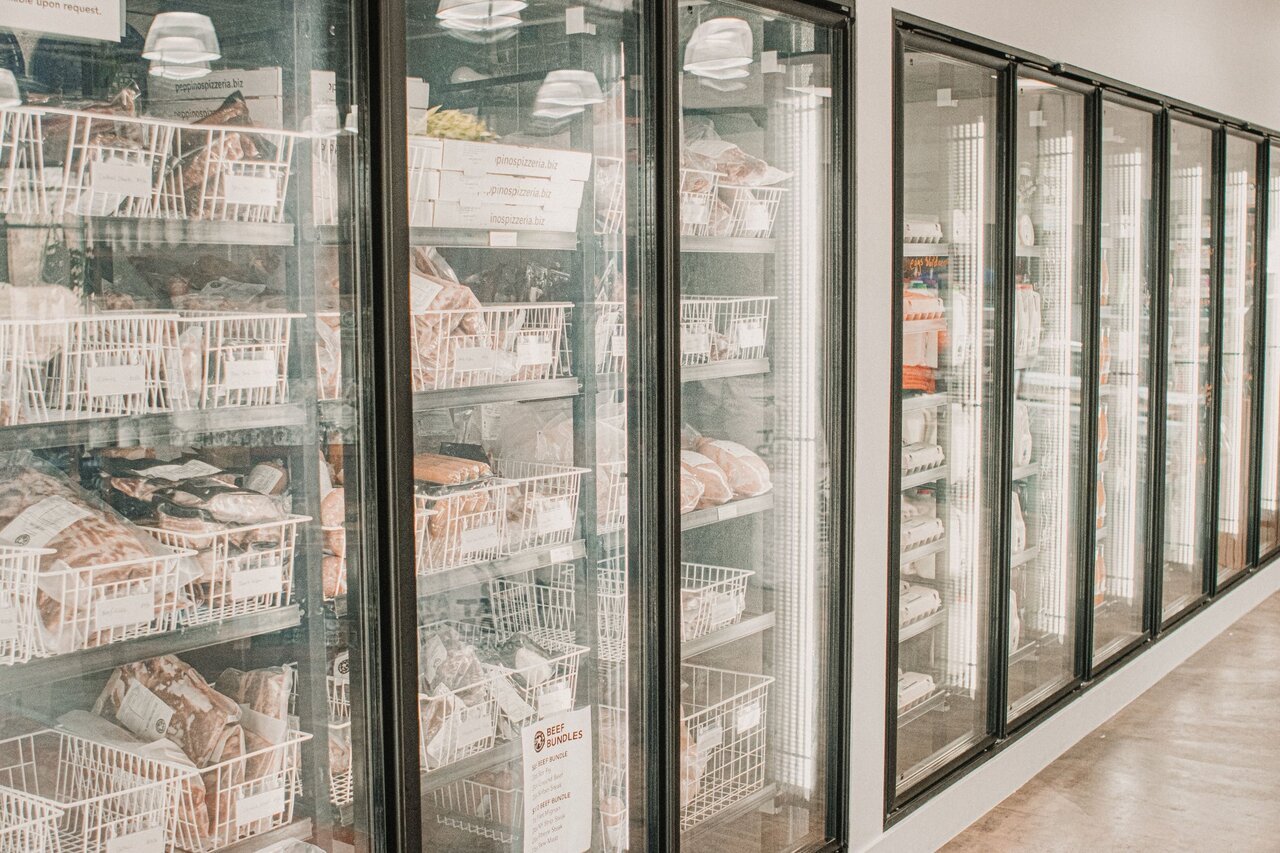
The first reason is time. Frozen meat keeps much longer than chilled meat, so a trader can take a large quantity and release it in stages as orders come in.
The second reason is that demand in the Saudi market is not steady through the year. It rises before Ramadan and in the seasons, and a trader with stock on hand can cover those peaks without waiting for a shipment to land that same week.
Restaurants, hotel kitchens, and food factories care about consistent volumes, which is why many of them rely on wholesale frozen meat. They plan purchases in advance and need cuts that do not change from one batch to the next, and a frozen product makes that planning easier.
That does not mean frozen suits everyone. A trader selling to shops that clear their stock within days may need chilled meat, and some importers combine the two, with a separate spec for each part.
What to look for in a frozen meat supplier
Start with halal requirements, since they are basic to importing meat into Saudi Arabia. Ask for a halal certificate from a body recognized in the Kingdom, details of the abattoir where the slaughter took place, and a certificate for the shipment itself, not only for the facility.
Then ask which facilities the supplier works with. The abattoir or processing plant may need to be on the list of facilities approved for export to Saudi Arabia, and the requirements of the Saudi Food and Drug Authority can change over time, so check them before you sign.
Documents come next. A serious supplier tells you from the start what will come with the shipment and when, such as the health certificate, certificate of origin, commercial invoice, and bill of lading.
Read more: A certified halal carcass supplier for Arab and global markets
How quality, storage, and transport affect frozen meat
The quality of frozen meat is not settled at slaughter alone. What happens afterwards in packing, storage, and transport decides the condition in which the shipment reaches you.
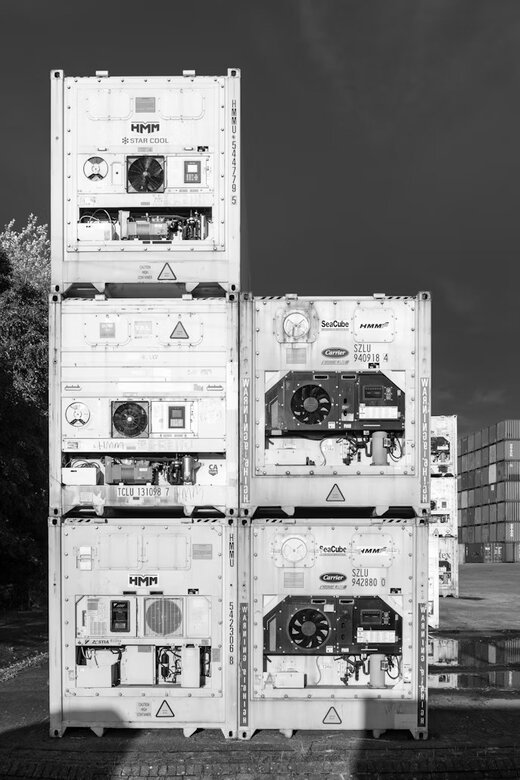
Any lapse in keeping the meat frozen during the journey can affect its condition on arrival, so ask the supplier how they hold the temperature from packing through to loading into refrigerated containers.
Make sure every carton clearly shows the slaughter date, production date, and shelf life. The shelf life left on arrival matters commercially too: the longer it is, the more time you have to sell the volume on to your customers.
Check your own storage capacity before setting the shipment size. A quantity with nowhere suitable to go on arrival turns from an advantage into a burden.
How to compare frozen meat quotes from different suppliers
Price per kilo alone is not enough to compare. Ask whether the price is for cuts or carcasses, bone-in or boneless, and what each carton weighs.
Watch the difference between net and gross weight. Two offers at similar prices can differ in practice if one of them prices on weight including packaging.
Also ask whether the offer covers certificates and packing, and at what point responsibility for the shipment passes to you. The cheapest offer on paper can become the most expensive once the items it left out are added.
Read more: South African meat: what Gulf importers should define before ordering
What to write in a quote request for frozen meat
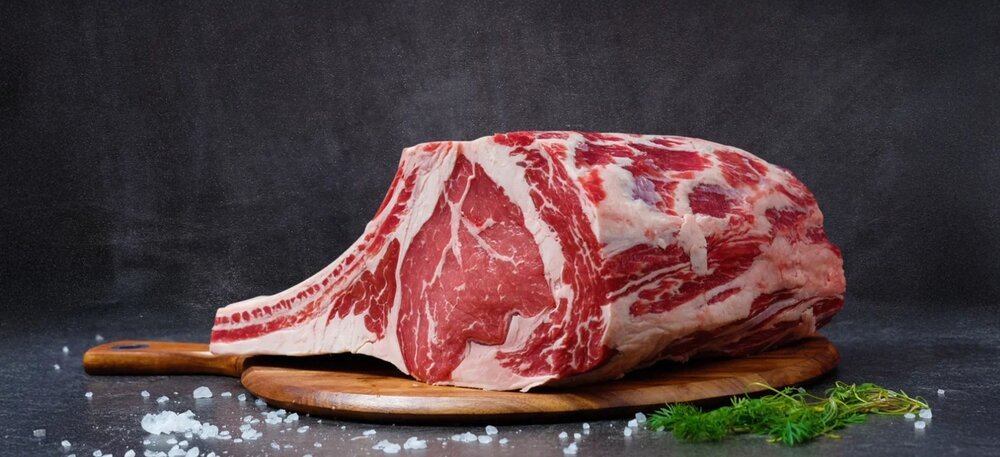
A clear request saves you half the negotiation with any frozen meat supplier in Saudi Arabia. State the type of meat (lamb, beef, or goat), then its form (carcasses or cuts), and whether it is bone-in or boneless.
Then write the packing method, carton weight, quantity in tonnes, port of arrival, and required date. If your customers have labeling or pack size requirements, mention them from the start, because changing them after preparation is difficult.
Restaurants in particular benefit from stating the exact portion weight they need, because a fixed weight means a fixed cost per dish.
How a frozen meat supplier becomes a steady source for your business
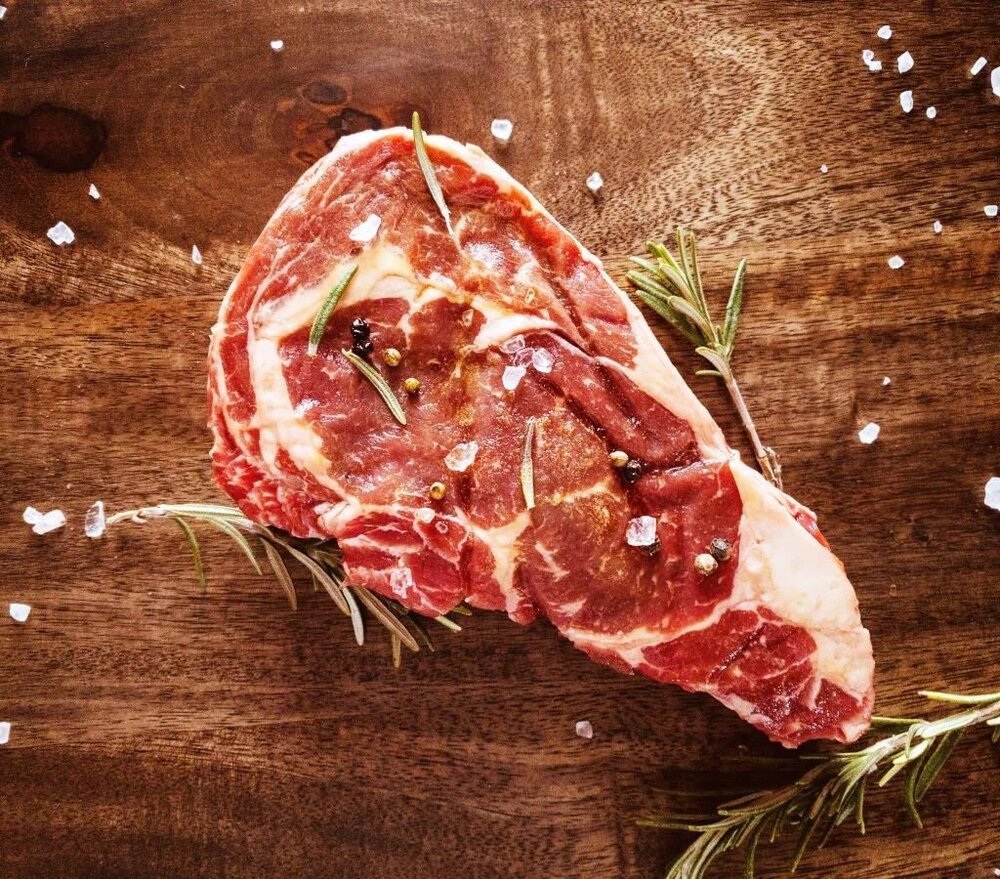
Steady supply starts with a written spec. Once the cut, weight, and packing are agreed for the first shipment, that shipment becomes the reference for every one after it, with no need to negotiate again.
Tell the supplier how much you expect to order over the year. A supplier who knows you need a monthly volume plans preparation around it and can keep the same spec from one batch to the next.
Some traders split their needs into smaller shipments on consecutive dates instead of one large shipment. That eases the pressure on storage and lets them adjust volumes to how fast they sell.
Read more: Halal meat supplier: how to secure a consistent spec and steady supply
Frozen meat from MHS for the Saudi market
MHS Group Export runs chilled and frozen halal meat supply programs from South Africa, Egypt, and Djibouti, including beef cuts and lamb and goat meat as carcasses or cuts. Each shipment is prepared to match the product, volume, packing, and destination market.
Request a quote for a frozen meat shipment to Saudi Arabia
Getting ready to order frozen meat for your business in the Saudi market? Send your shipment spec to the MHS Group Export team and get a quote built on your order, not on general prices.
All you need to send is the meat type and form, the packing you want, the quantity in tonnes, the port of arrival, and the date. If you have a fixed monthly order, mention it in the same message:
- Egypt office: +20 155 741 2975
- South Africa office: +27 774 540 935
- Somalia office: +252 906 790 210
- Email: info@mhsgroup-export.com
- Contact form: Send your shipment details
Questions traders and restaurants ask before ordering frozen meat
How do I request a quote for a frozen meat shipment?
Send the meat type and form, packing, quantity in tonnes, port of arrival, and date. The clearer the details, the more accurate the quote.
Can I order specific cuts at a fixed weight?
Yes. The cut, weight, and packing are set in the order and prepared according to what the facility has available.
Is frozen meat suitable for restaurants and hotels?
It suits buyers who plan purchases ahead and need steady volumes at a spec that does not change.
What documents come with a frozen meat shipment to Saudi Arabia?
They usually include the halal certificate, health certificate, certificate of origin, commercial invoice, and bill of lading. Other documents may be required under the rules in force at the time of import.
Can I combine frozen and chilled meat in one order?
Yes, as long as each part is written up with its own spec and quantity.
Can we agree on a regular monthly supply?
Yes. State the expected monthly volume from the start so the supplier can plan preparation around it.
Conclusion
Frozen meat gives traders and restaurants flexibility in storage and distribution. The value of a shipment still comes down to valid halal certificates, meat that stays frozen all the way to arrival, and a clear spec from the start.
Have the meat type, volume, and port of arrival ready, then contact the sales team for a quote on your next frozen meat shipment.
Read also: