South African meat: what Gulf importers should define before ordering
Before ordering South African meat, settle the meat type, chilled or frozen, and volume. See what suppliers ask for, how to verify halal certificates, and what drives the cost.
Before you ask for a quote on South African meat, you need to settle the meat type, the shipment condition, the volume, and the arrival date. This article covers the spec a supplier will ask about, how to verify the halal certificate, and what sets the cost of importing into Saudi Arabia and the Gulf.
A meat supplier can receive two kinds of enquiry on the same day. The first says: "We need meat from South Africa." The second names the meat type, whether it should be chilled or frozen, the tonnage, the port of arrival, and the date it is needed. The second enquiry gets a faster, more accurate quote, and usually ends in a shipment that matches what the importer's customers ask for.
So the clarity of the order shapes the outcome of importing meat from South Africa more than the price does. An importer who knows what they want can compare offers on a clear basis and lowers the risk of a shipment being rejected or arriving in a spec the market does not want.
MHS Group Export exports livestock and meat from South Africa and Somalia to Arab markets. Its South Africa office handles orders from importers in Saudi Arabia and the Gulf to the volumes and specs they require. Below is what you need to settle before ordering your first shipment of South African meat.
Why do Gulf importers turn to South African meat?
South Africa has a large livestock sector and is the origin of breeds well known in the meat trade, most notably Dorper sheep and Boer goats, both developed there specifically for meat production.
Relying on a single source leaves a Gulf importer exposed to any change in prices or available volumes. Many importers, distributors, and restaurant and hotel chains therefore spread their sourcing, and South African meat enters their plans alongside other origins.
Choosing the country of origin is only the first step, though. The actual result depends on how clear the importer's order is and on the supplier's ability to deliver it as written.
South African meat: what should you define before ordering a shipment?
"I need meat from South Africa" is not enough for a supplier to make an accurate offer. Prepare the following before you contact any supplier:
- The meat type: lamb, beef, or goat.
- The product form: whole carcasses or specific cuts.
- The shipment condition: chilled or frozen.
- The volume for the first shipment.
- Average carcass weights or the cut spec.
- The port of arrival and target date.
- Expected volumes for later shipments, if your business depends on regular supply.
The more specific the order, the easier it is for the supplier to confirm what they can provide and to propose a date and shipping method for your shipment.
Read more: Livestock export protocols from Somalia to GCC markets
Lamb, goat, or beef: which South African meat suits your customers?
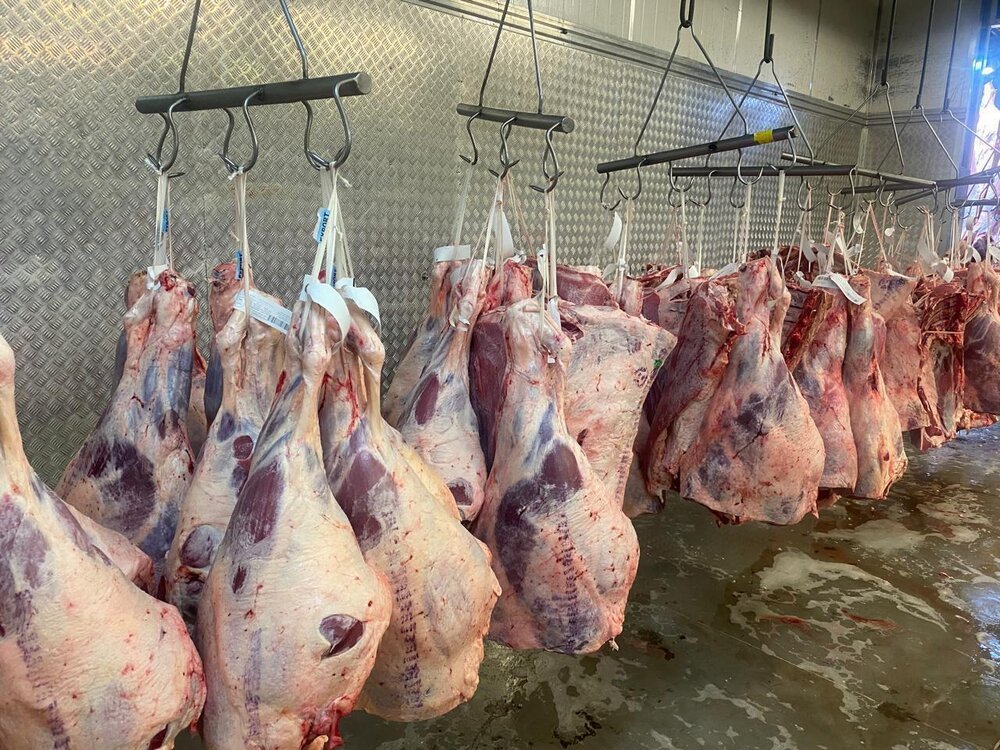
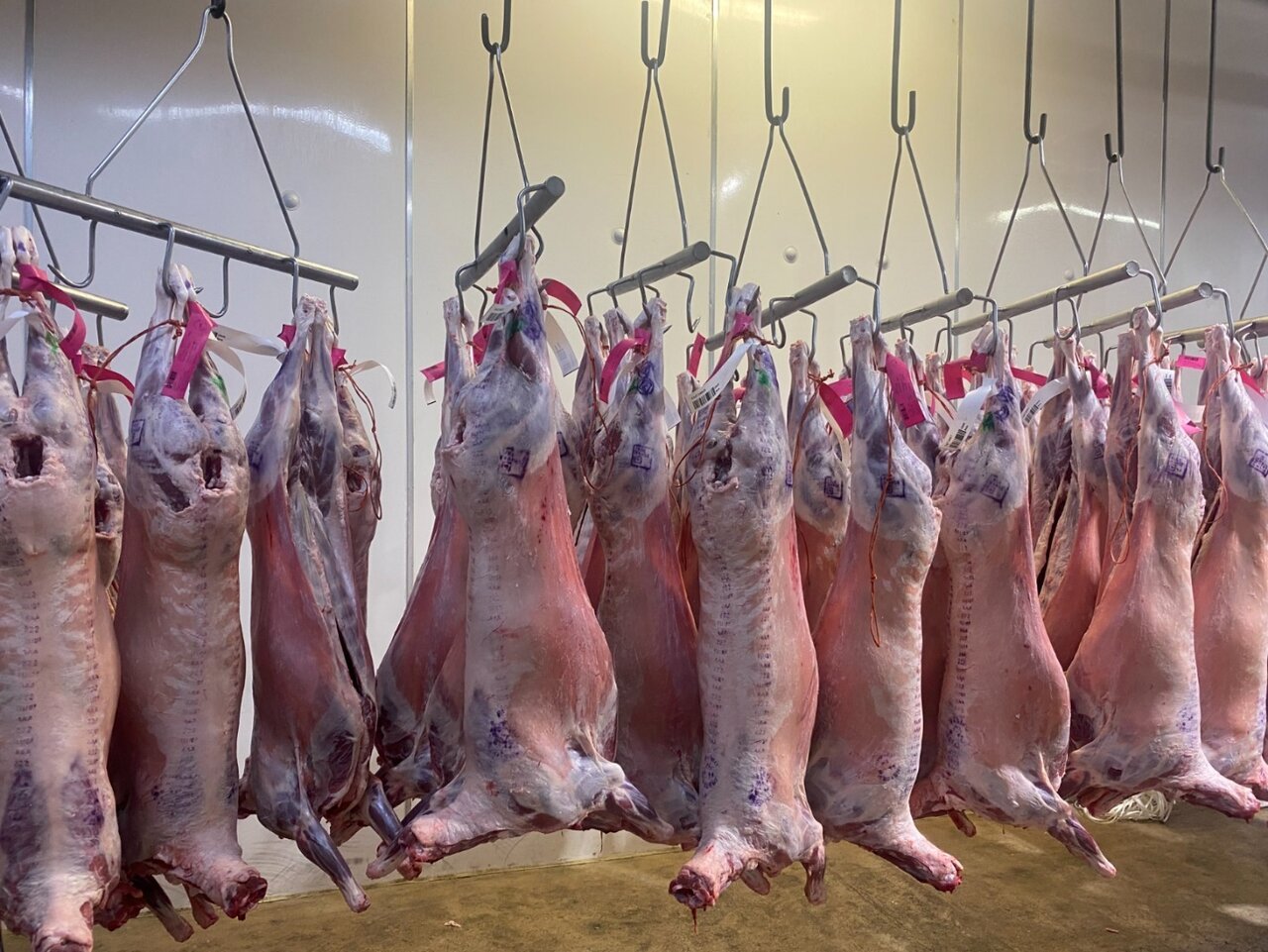
The meat an importer needs depends on the customers they sell to. Butchers usually ask for whole lamb and goat carcasses that they cut and sell by the kilo, while restaurants and hotels need cuts with a fixed spec. That ties the choice between types of South African meat to the nature of your business:
- Lamb: a large share comes from the Dorper breed, known for fast growth and good carcass quality, which suits butchers who sell whole carcasses.
- Goat: most comes from the Boer breed, one of the best-known meat goat breeds and native to South Africa. It suits importers whose customers ask for goat meat specifically.
- Beef: usually ordered as cuts, so the cut type and weight need to be set precisely, especially when supplying restaurants and hotels.
The more closely you tie your order to the customers you sell to, the better the supplier can prepare a shipment that fits your market, instead of a general offer on "South African meat".
Is South African meat halal, and how can an importer verify it?
This is one of the questions Gulf importers ask most. The answer does not depend on the country of origin but on the abattoir where the animals were slaughtered and the body that issued the halal certificate. Before signing, ask the supplier for:
- A halal certificate from a certifier recognised in your country.
- Details of the abattoir where the slaughter takes place.
- A halal certificate for the shipment itself, not only for the facility.
Some Gulf countries also require the abattoir to be on their list of approved facilities, which you should confirm before shipping. MHS Group Export bases its South African exports on halal slaughter to the required standards. For the full criteria for choosing a halal supplier, read A certified halal carcass supplier for Arab and global markets.
What affects the cost of importing meat from South Africa?
There is no fixed price for South African meat, because the value of a deal changes with the details of each shipment. The main factors are:
- Meat type and form: cost differs between whole carcasses and cuts, and between lamb, beef, and goat.
- Shipment condition: chilled meat needs faster shipping and tighter temperature control than frozen meat, which raises its cost.
- Volume: the larger the volume, the lower the shipping cost per kilo and the better the chance of agreeing better terms.
- Shipping method and route: cost changes with air or sea freight and with the port of arrival.
- Season: demand for meat in the Gulf rises before Ramadan and Eid al-Adha, which increases competition for volumes and shipping dates.
- Import requirements: health certificates, halal certificates, and inspection on arrival all go into the final cost.
That is why the price per kilo alone does not give you a full picture of a shipment's cost.
Why do the cold chain and inspections decide a shipment's fate?
Meat imported into the Gulf goes through a regulatory inspection on arrival, where the authorities review the documents, product safety, and temperature. Any break in refrigeration during the voyage can lead to the whole shipment being rejected. Before shipping, confirm:
- The supplier holds the required temperature from packing to loading.
- Slaughter date, production date, and shelf life are clearly marked on the packaging.
- The health certificate, certificate of origin, and commercial invoice are complete before the shipment arrives.
Requirements differ from one Gulf country to another and may change over time, so review the official rules in force in your country before the shipment goes ahead.
Read more: A South African Boer goat supplier for trade and export
What should a professional South African meat supplier provide?
A supplier's value does not show in the quote but in delivering the order as agreed. An importer needs the supplier to provide:
- Clear information on the meat types and volumes available.
- A written carcass or cut spec before preparation.
- Halal and health certificates that cover the shipment.
- A chilled or frozen temperature held throughout the voyage.
- The ability to supply later shipments to the same spec.
- Fixed shipping dates.
These points matter even more when your goal is a continuous supply line rather than a single deal.
Read more: Halal meat supplier: how to secure a consistent spec and steady supply
How does MHS Group Export serve importers of South African meat?

MHS Group Export has exported livestock and meat from South Africa and Somalia to Arab markets for more than 25 years. The company's South Africa office follows shipment preparation at the source, and its South African supply lines include:
- Dorper sheep exports.
- Boer goat exports.
- Meat exports.
The company serves importers in Saudi Arabia, Oman, and the rest of the Gulf with all types of livestock and meat, and you can discuss volumes, spec, delivery dates, and shipping options with its team before confirming an order.
Read more: A Dorper sheep supplier: how to choose the right partner
Contact MHS Group Export
If you plan to import South African meat into Saudi Arabia or the Gulf, send your shipment spec to the MHS Group Export team to discuss volumes and supply options, or reach out through:
- Egypt office: +20 155 741 2975
- South Africa office: +27 774 540 935
- Somalia office: +252 906 790 210
- Contact form: Send your shipment details
Related products:
Frequently asked questions
Is South African meat halal?
South African meat is halal when the animals are slaughtered in an abattoir that follows Islamic slaughter rules and the meat carries a halal certificate from a certifier recognised in the importing country. Ask for the shipment's own halal certificate before signing.
What types of meat can be imported from South Africa?
South African meat includes lamb, beef, and goat, available as whole carcasses or cuts, chilled or frozen, depending on what the supplier offers.
Which is better to import: chilled or frozen meat?
It depends on how fast you sell. Chilled meat has a shorter shelf life and needs faster shipping, while frozen meat stores for longer and suits large volumes distributed in stages.
What documents are needed to import meat from South Africa?
The documents usually include the halal certificate, health certificate, certificate of origin, commercial invoice, and bill of lading. Some countries ask for more, so check with the competent authorities in your country.
How much does it cost to import meat from South Africa?
There is no single price. The cost depends on the meat type, form, and condition, the volume, the shipping method, the season, and the import requirements at the time of the contract.
Does MHS Group Export supply South African meat to the Saudi market?
Yes. MHS Group Export exports meat from South Africa to Arab markets including Saudi Arabia and the Gulf, and you can contact its team to learn which volumes and specs are available.
Conclusion
A successful import of South African meat starts well before shipping: defining the meat type, condition, and volume, verifying the halal certificate and the cold chain, and choosing a supplier who can deliver the same order in every shipment.
An importer who sends a clear order gets a more accurate quote and compares suppliers on what they can deliver, not on the price per kilo alone.
If you are looking for a supplier of South African meat for your business in Saudi Arabia or the Gulf, send your shipment spec and the volume you need to the MHS Group Export team at info@mhsgroup-export.com, or through the company website.