South African beef: specs and value for Egypt and Gulf wholesalers
Why wholesalers in Egypt and the Gulf buy South African beef: the breeds behind it, the cuts and halal specs to define, chilled or frozen, and how to order a shipment.
Wholesale traders in Egypt and the Gulf look for imported beef that keeps its quality from one shipment to the next, because uneven quality is what eats into margins and costs a trader their restaurant and shop customers. South African beef is a practical answer to that problem. It comes from cattle raised on natural pasture and from well-known beef breeds, and it arrives chilled or frozen to a spec that can be agreed in advance and repeated in every shipment.
Through the supply programs MHS Group Export runs from South Africa, a trader gets halal beef from selected abattoirs and processing plants, prepared to the spec they set and to the requirements of the destination market. That turns a first deal into the start of regular supply rather than a one-off purchase.
Cattle breeds and the quality of South African beef
Cattle in South Africa graze on wide rangeland for long periods, which shows in the texture and color of the meat and in how the fat is spread through it. The herds include well-known beef breeds such as the Bonsmara, developed there to cope with hot weather, alongside Angus, Simmental, Beefmaster, and Brahman. These are the same breeds MHS Group Export ships as live cattle in its programs.
Knowing the animal before slaughter gives the trader a direct advantage. MHS does not offer beef of unknown origin, but a product whose breeds, pastures, and processing plants it knows. So the spec of the next shipment comes close to the spec of the one before it.
Wholesale imported beef specs, from cuts to the halal certificate
Asking for good beef is not enough. An accurate quote needs the type of product: whole carcasses, quarters, or boneless cuts. It also needs the fat level that suits the trader's market, the packing method, and the documents that travel with the shipment, above all the halal slaughter certificate and the health certificate.
MHS builds each supply program on these details, designing it around the product, quantity, packing, destination, and delivery schedule. A trader who sets out their spec in the first contact gets a clear quote they can compare and decide on.
Chilled or frozen beef: which suits a wholesale trader?
Chilled beef suits restaurants, hotels, and butcher shops that sell quickly and want a texture close to fresh meat. Frozen beef suits wholesalers and distributors who need stock they can hold longer and sell in batches. MHS supplies South African meat in both forms, so a trader can split an order between them according to how fast their market sells.
Beef cuts for food factories, hotels, and restaurants
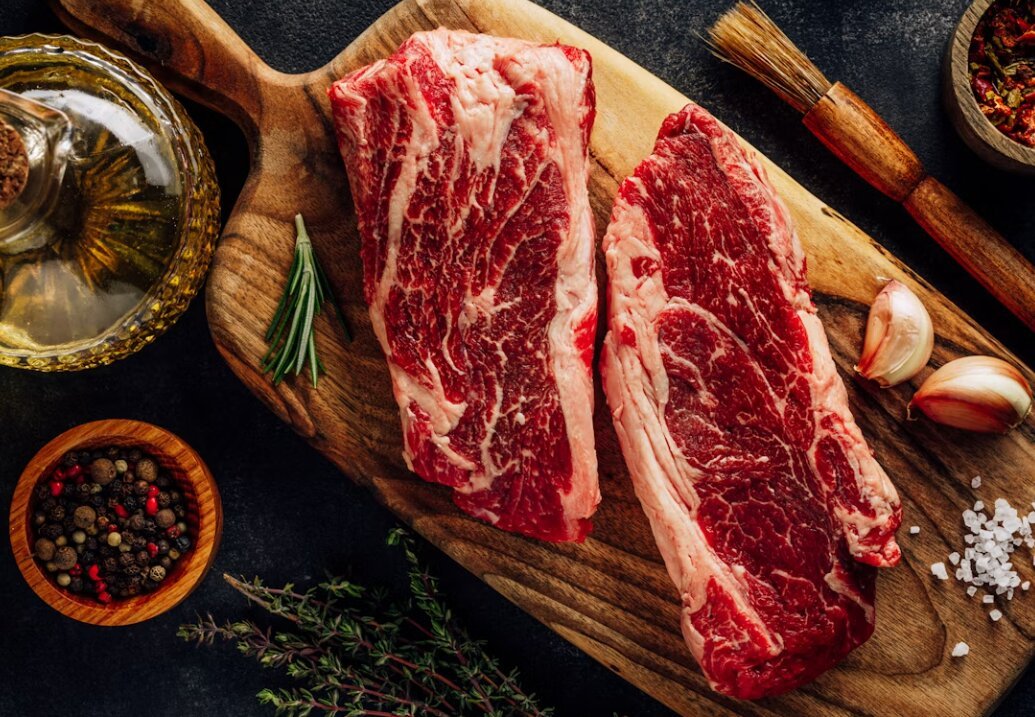
Each market asks for different cuts. Food processing plants and many wholesalers need practical cuts for slicing and mincing, while hotels and upscale restaurants want premium cuts served as main dishes. For them MHS offers a line of premium South African beef cuts aimed at retail and food service buyers, with the cut types and weights set to each buyer's order.
Read more:
Why do wholesalers earn more from South African beef?
A trader's profit is not measured by the price per kilo at purchase, but by what is left after the sale. A steady spec from one shipment of South African beef to the next means fewer returns and complaints, and lets the trader price the product in advance without surprises. A clear origin also gives them a strong selling point with restaurants and shops willing to pay more for known quality.
Frozen beef adds flexibility in managing stock. The trader can buy in quiet periods and sell when demand rises, instead of buying at the peak of the season at a higher price. Because MHS programs are set up for repeat wholesale orders, a trader can agree on a shipment schedule spread over the year instead of negotiating each deal from scratch.
Demand seasons for imported beef in Egypt and the Gulf
In Egypt, wholesalers start looking for imported beef before Ramadan and Eid al-Adha, so an Egyptian trader needs a supplier who prepares the shipment early and delivers it before the season begins. We explain the same principle in detail in calf supplier for Egypt and preparing for Ramadan. In the Gulf, demand centers on hotels, restaurant chains, and catering companies, buyers who care about a steady spec, regular supply, and clear documents.
MHS Group Export serves both markets from its offices in Egypt and South Africa, staying close to the source and to the buyer at the same time. That way a trader's order reaches the source with the right spec, and the shipment returns to the market on time.
Cold chain and halal certificates in imported beef shipments
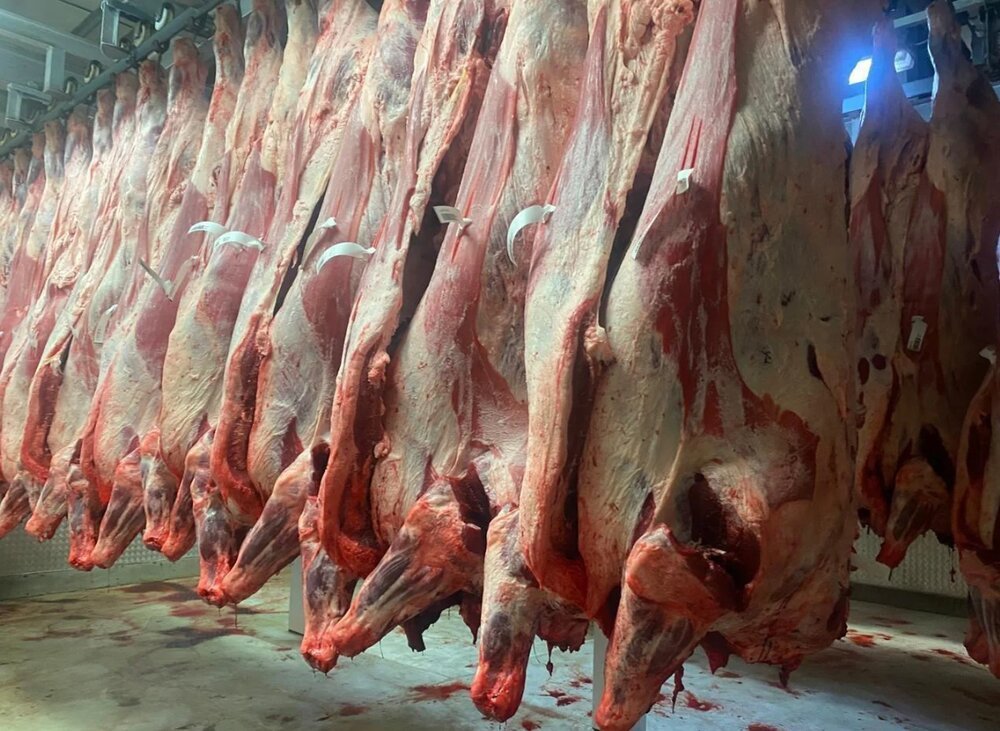
Beef loses part of its value if its temperature changes on the way, however good it was when it left the abattoir. MHS therefore keeps chilled and frozen products under temperature control during preparation, storage, loading, and transport, and chooses supply plants on their production capacity, government approval, and export eligibility.
Each shipment travels with the export documents the destination market requires. That lowers the risk of customs delays or a rejected shipment on arrival, so the trader receives the goods in the condition agreed.
Read more:
- The livestock export journey from farm to port
- How to choose a reliable sheep and livestock supplier without risk
How to order a wholesale halal beef shipment from MHS Group Export
The deal starts with a message in which the trader states the target market, the cuts, the approximate quantity, whether they want the beef chilled or frozen, and the shipping date that suits them. The sales team then routes the order to the best source and logistics route and sends an offer that sets out the spec, packing, documents, and delivery schedule.
The more complete that first message, the faster the offer comes and the closer it is to what the trader needs. It also secures a place for the shipment in the schedule before it fills up as the seasons approach.

Contact MHS Group Export
If you are a wholesaler, importer, or distributor looking for halal South African beef with regular supply, contact the MHS Group Export team through one of these offices:
- Egypt office: +20 155 741 2975
- South Africa office: +27 774 540 935
- Somalia office: +252 906 790 210
- Email: info@mhsgroup-export.com
- Contact form: Send your order details
Frequently asked questions
Is the South African beef MHS supplies halal?
Yes. MHS supplies halal meat from abattoirs and processing plants that meet halal standards, and every shipment travels with the export documents needed to enter the destination market.
Is South African beef available chilled and frozen?
Yes. South African beef is prepared chilled or frozen to the buyer's spec and the requirements of the market where it will be sold.
What information do I need to request a quote?
Send the target market, the cuts, the approximate quantity, chilled or frozen, and the shipping date, and the sales team will reply with a clear offer.
Does MHS supply meat from origins other than South Africa?
Yes. MHS also coordinates chilled and frozen halal meat programs from Egypt and Djibouti, listed on the chilled and frozen meat page.
Conclusion
A wholesaler does not buy South African beef just because it is imported. They buy it because it has a known origin and a steady spec they can price, sell, and plan around all year, whether they supply butcher shops in Egypt or hotels and restaurants in the Gulf. That value holds when the beef comes from a supplier who knows the source well and runs the cold chain and documents with discipline.
MHS Group Export offers exactly that through halal beef supply programs from South Africa built around each trader's needs. If you are planning your next shipment, send your order details to the sales team today and get an offer that fits your market and season before the shipping schedules fill up.