
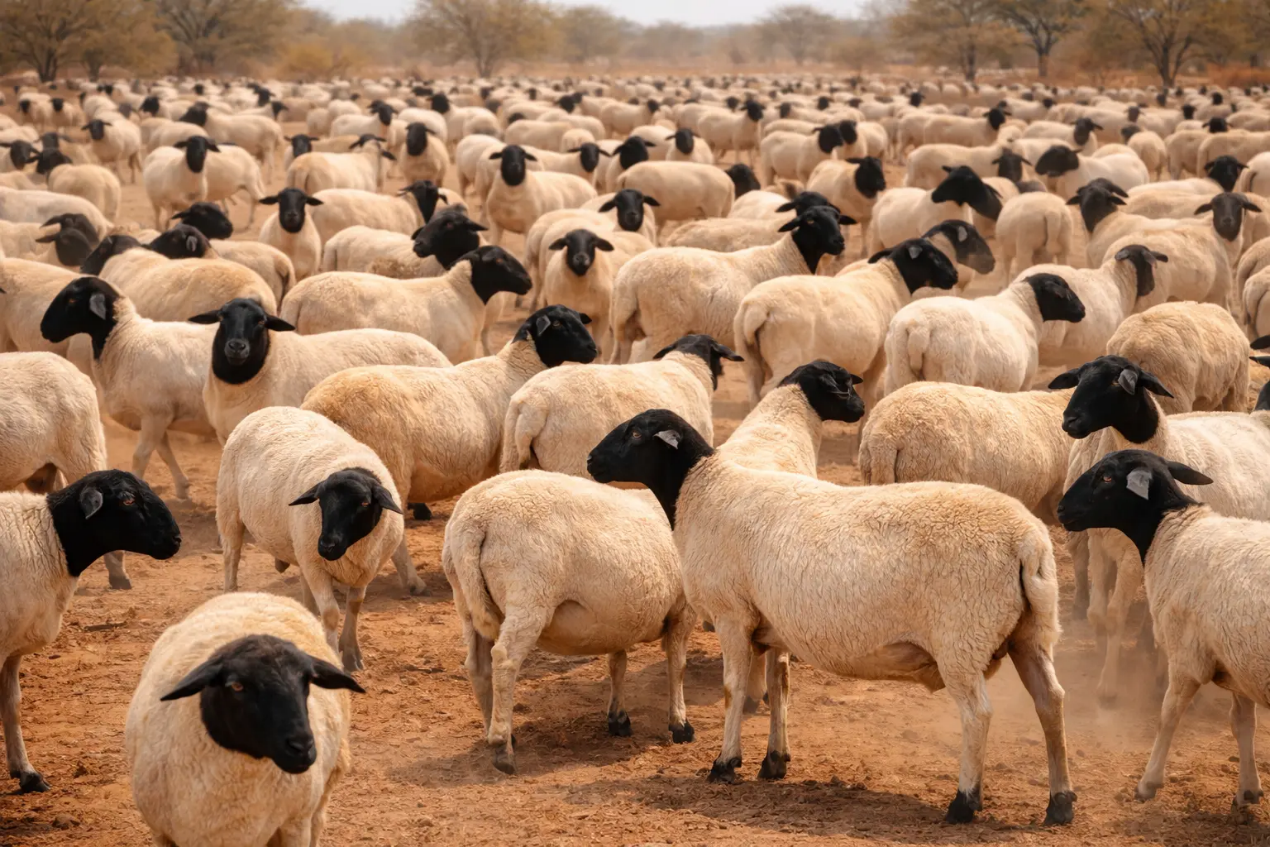
Buying Sheep for Export: How to Avoid Shipping Losses
Buying sheep for export is about far more than the lowest price. From supplier selection to veterinary checks and shipping, the right decisions protect quality and profit.
The shipment finally arrived after weeks of waiting, but the surprise was not what the importer had expected. Some of the sheep did not arrive in the required condition, and the agreed specifications were not fully matched, turning a deal that should have been profitable into a chain of losses and unexpected challenges.
This scenario is not rare in the livestock trade. Buying sheep for export is not only about getting the best price; it depends on a set of factors that begin with choosing the right supplier and do not end when the shipment reaches its final destination.
Here an important question arises for every importer and trader: can sheep be bought for export in a way that reduces risk and ensures the livestock arrive at the required quality?
The answer is yes, but only on condition that you understand the correct purchasing criteria and deal with companies that have sufficient experience in export and international shipping management.
Why Do the Results of Sheep Export Deals Differ?
Two traders may buy roughly the same number of sheep, yet one makes a good profit while the other faces heavy losses.
The reason for this is usually down to:
The quality of the chosen sheep.
The efficiency of the supplier.
Veterinary inspection procedures.
The method of transport and shipping.
Compliance with the specifications required in the importing country.
This is why the success of a deal begins long before the purchase contract is signed.
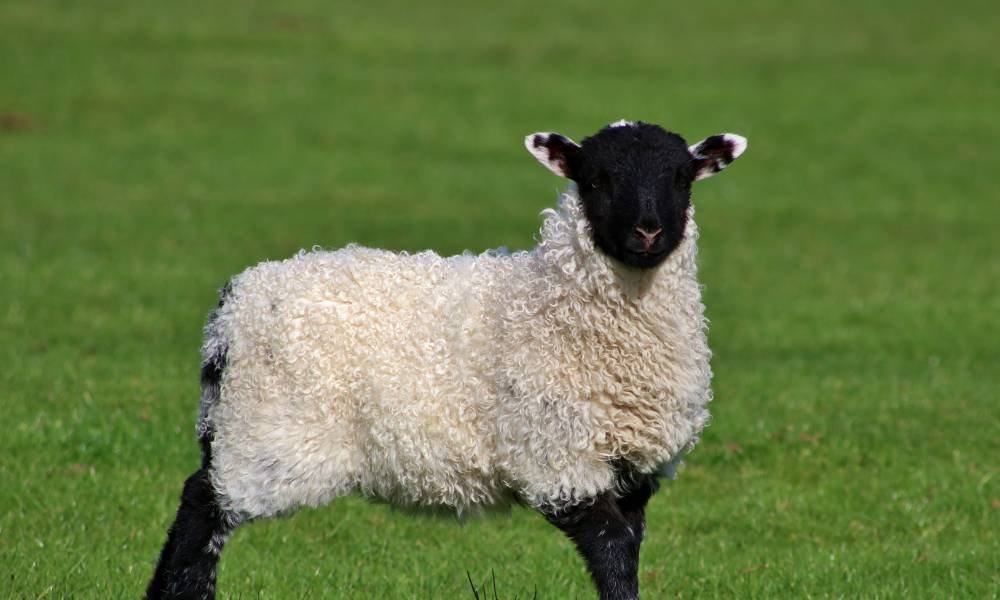
Don't Make Price the Only Selection Criterion
One of the most common mistakes is focusing only on the lowest price.
In some cases the cheapest offer may look like an excellent opportunity, but the real cost appears later through:
High mortality rates during transport.
Differences in actual weights.
Health problems that affect the shipment.
Delays in export procedures.
This is why experts always advise looking at the overall value of the deal, not the price alone.
What Should Be Checked When Buying Sheep for Export?
Health Status
You must confirm that the sheep have undergone the necessary veterinary inspections and are free of diseases that could affect the export process.
Age and Weight
Each market has different requirements, so it is important to choose the age groups and weights suited to the targeted commercial purpose.
The Breed
Breeds differ in growth rates, meat quality, and the ability to adapt to different transport conditions.
Data Documentation
Clear data on the source of the sheep and their health record gives the importer greater confidence and security.
A Success Story: How One Importer Avoided Heavy Losses
One importer relied on buying sheep for export from multiple sources in order to get lower prices, but he faced recurring problems with shipment quality and inconsistent specifications.
After switching to a specialised company with a clear system for inspection and preparation before export, the problems dropped noticeably and import operations became more stable and profitable.
The most important lesson for him was that choosing the right supplier saves a great deal of money and time in the long run.
How to Reduce Shipping Risks When Exporting Sheep
The success of the shipping process depends on several key factors:
Advance Planning
Early coordination helps avoid delays and unexpected surprises.
Preparing the Sheep for Transport
Appropriate care before shipping helps maintain the welfare of the livestock throughout the journey.
Choosing the Right Means of Transport
The means of transport must suit the nature of the shipment and the required distance.
Continuous Follow-Up
Monitoring the different shipping stages helps in dealing quickly with any challenges that may arise.
Why Do Importers Rely on MHS Group Export?
 MHS Group Export works to help clients carry out sheep purchases for export in a safer and more efficient way through:
Providing carefully selected sheep.
Compliance with the required health procedures.
Professional management of export and shipping operations.
Solutions tailored to the needs of different markets.
Ongoing support for clients throughout the supply and export stages.
The company seeks to build long-term partnerships with importers by focusing on quality, commitment, and transparency.
Signs That You Are Dealing With a Professional Supplier
If you find these elements, you are on the right track:
Clear information and specifications.
Quick response to enquiries.
Experience in international markets.
The ability to supply the required quantities.
Commitment to the agreed deadlines.
These indicators help reduce risks and raise the chances of successful import operations.
Contact MHS Group Export
If you are planning to buy sheep for export and are looking for a partner with the experience and capacity to manage the process professionally, you can contact the MHS Group Export team to learn about the available solutions and supply requests.
Egypt office: +20 155 741 2975
South Africa office: +27 774 540 935
Somalia office: +252 906 790 210
Email: Info@mhsgroup-export.com
Address: Plot 204, Neighborhood 2, District 16, Sheikh Zayed City, Giza.
Related products:
Frequently Asked Questions
What is the most important step before buying sheep for export?
Confirming the health status of the sheep and reviewing their specifications and how well they match the requirements of the target market.
Does a low price mean a better deal?
Not always; focusing only on price can lead to problems that affect shipment quality and increase costs later.
How can the risks of shipping livestock be reduced?
Through good planning and choosing a supplier with experience in export and international transport operations.
Do sheep purchase requirements differ from one country to another?
Yes, each country has its own requirements regarding specifications, veterinary health, and import procedures.
Why is it preferable to deal with a company specialised in export?
Because it has the experience and systems that help carry out purchasing and shipping operations more efficiently and reduce potential risks.
Conclusion
The success of buying sheep for export does not depend only on finding a suitable price; it is linked to a set of details that directly affect the quality of the shipment and the profitability of the deal.
The more experienced and professional the supplier, the greater the chances of the sheep arriving with the required specifications and on time, which gives the importer greater confidence and a better ability to grow their business.
Investing in choosing the right partner from the start is therefore one of the most important success factors in trading and exporting livestock to Arab and global markets.