
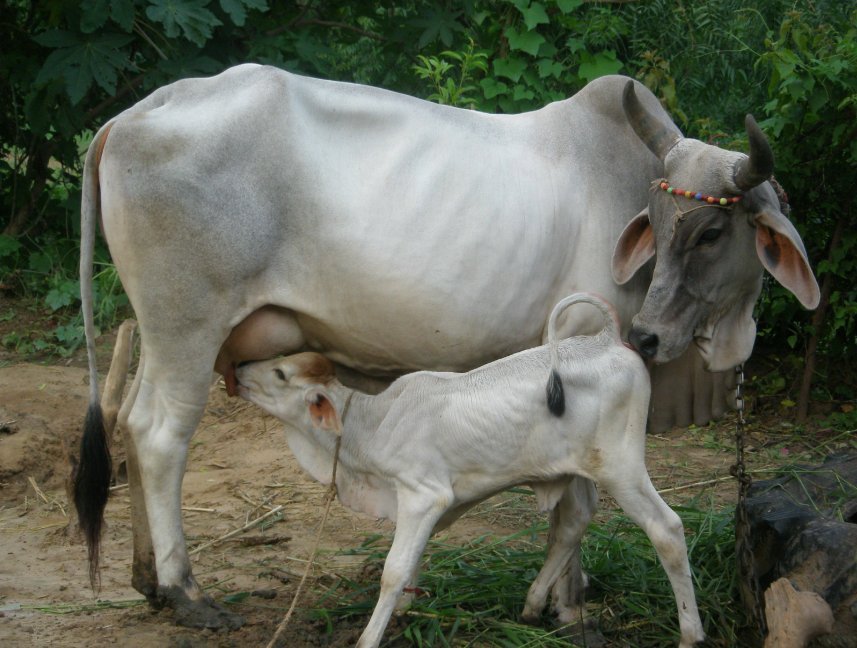
Somali calves and cattle: a trader's guide to choosing the right class
Calves or cattle? Learn how Somali calves and cattle differ for fattening and slaughter, what spec to send the supplier, and when to book before Ramadan and Eid.
Many livestock traders enter the import market with a general request such as "we want a cattle shipment from Somalia". Yet a feedlot operator needs something different from a trader who supplies slaughterhouses or one preparing for Eid al-Adha. That is why telling the available classes apart comes before any talk of price or shipping. This article looks at Somali calves and cattle from the one angle that matters to a trader: choosing the class that serves the business, and defining its spec precisely before asking for a quote.
Drawing on its experience exporting livestock from Somalia, Somaliland, and Djibouti to Arab markets, MHS Group Export supplies Somali calves and cattle to importers and wholesalers through supply programs that fit each market and each order size.
Why do livestock importers rely on Somali calves and cattle?
Livestock holds a large place in the Somali economy. A wide share of the population lives off it, and livestock exports are one of the country's main sources of foreign income. That scale has made Somalia a source that importers in Saudi Arabia, Egypt, Oman, and the rest of the Gulf return to whenever they need repeat commercial volumes. Somalia's coast on the Red Sea and the Gulf of Aden adds another advantage: a shorter sea voyage than from more distant sources.
Even so, the real value of any Somali shipment shows only when the importer knows exactly what they need and asks the supplier for the class that serves that goal. A good shipment that does not fit the trader's plan becomes a burden instead of an opportunity.
How does pastoral rearing shape the hardiness of Somali cattle?
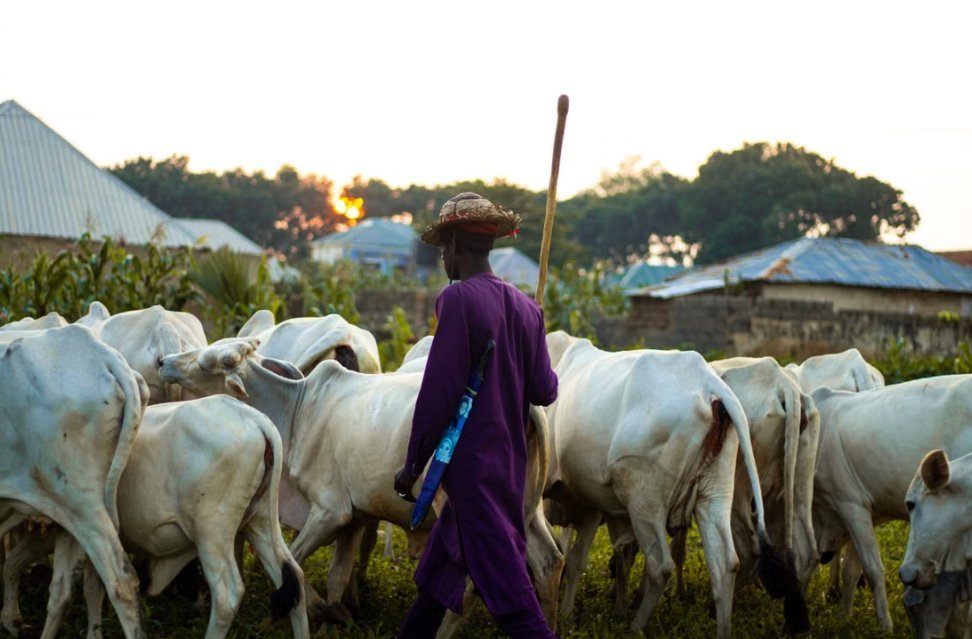
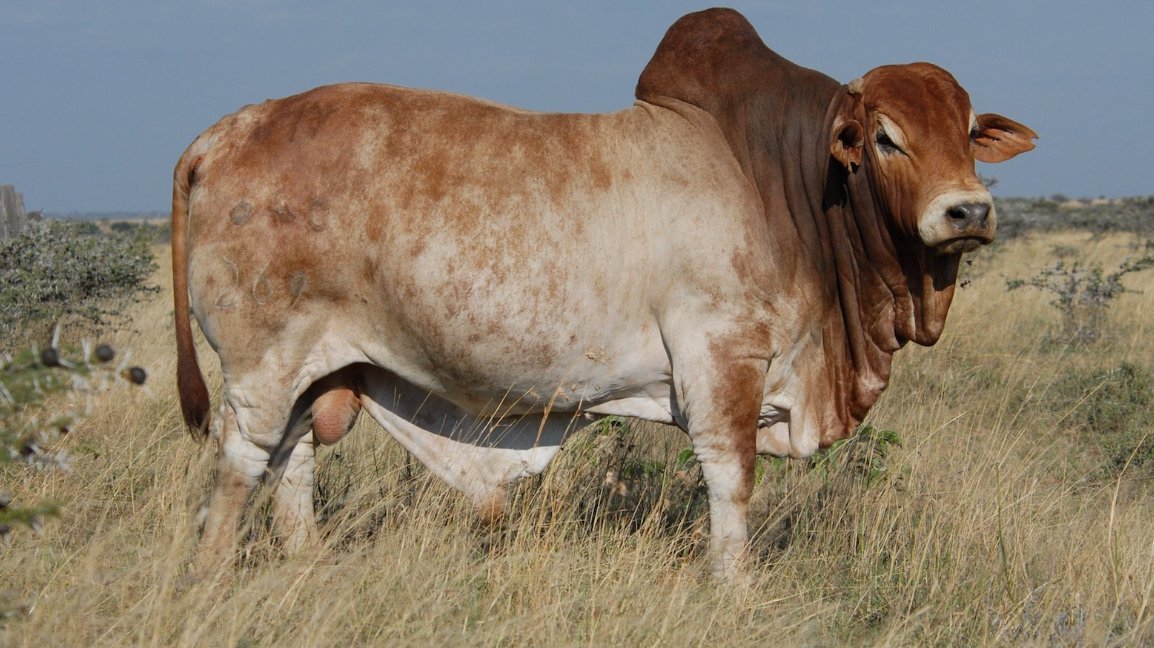
Most Somali cattle grow up in an open pastoral system that relies on natural grazing and seasonal movement in search of pasture and water. Most belong to local humped zebu breeds such as the Somali Boran, which have adapted over many generations to high heat and scarce resources. These cattle therefore handle transport and the hot weather of Arab markets better than breeds raised in cold climates, which eases the pressure on the trader during receipt and the first weeks of adjustment after arrival.
Grazing also means the animals are used to rough forage. When they enter a feedlot they need a gradual transition to concentrated feed, a point an experienced trader builds into the plan from day one so growth rates do not suffer in the first weeks.
The difference between Somali calves and cattle starts with the purpose of the purchase
Some traders mix up calves and cattle when ordering, even though each class serves a different business model. This mix-up is the most common reason a shipment arrives that does not fit the buyer's plan or the market they sell in.
Somali calves for fattening and resale
Young and mid-sized calves suit a trader who runs a feedlot or works with local farmers. The trader buys them at a lower weight, then raises their weight over a fattening cycle of several months before selling to slaughterhouses or local markets. The advantage is a lower cost per head at purchase, while much of the profit is made on the farm. This model needs a trader who can manage feeding and veterinary care throughout the fattening period.
Somali cattle for direct slaughter and seasonal markets
Mature cattle and bulls suit a supplier who serves slaughterhouses and butcher shops or prepares for high-demand seasons. They arrive close to slaughter weight and need no long fattening period, so capital turns over faster. The cost per head at purchase is higher than for calves. The table below sums up the practical differences between the two classes as a trader sees them when planning a deal:
| Point of comparison | Somali calves | Somali cattle |
|---|---|---|
| Best use | Fattening and resale | Direct slaughter and supply to slaughterhouses |
| Capital cycle | Longer, because of the fattening period | Faster, because they arrive close to slaughter weight |
| Cost per head at purchase | Lower | Higher |
| What the trader needs | A farm, feed management, and veterinary care | A ready sales outlet or an existing supply contract |
| When to book before the season | Several months ahead | A few weeks ahead, with early confirmation |
Read more: Somali calf prices: what determines the deal cost and how to get the best value?
What spec does the supplier need before preparing the shipment?
Once the trader has chosen the class that serves the business, the next step matters just as much: turning that goal into a written spec the supplier can follow without guesswork. The more precise the spec, the closer the quote is to the real cost, and the lower the chance of a dispute on receipt.
Start with the class you need, whether calves for fattening or cattle and bulls ready for slaughter, then the age range and the average weight per head, and the sex of the animals, whether males only or mixed. The supplier also needs the number of head, whether the order is one-off or repeats through the year, and the destination country and port, because quarantine rules and documents differ from market to market. Last comes the required shipping date, especially when it is tied to a season.
These details serve pricing first. They also help the supplier pick the right collection center and prepare the veterinary documents early. A trader who sends them complete from the start saves weeks of back-and-forth and gets a quote they can build on.
The journey of Somali calves and cattle from pasture to export port
Before shipping, the animals pass through several stages. They are bought at pastures and local markets, then gathered at collection centers where they are sorted by class and weight. Veterinary checks follow, along with the quarantine period that importing countries require, the Gulf states in particular, before the cattle move to export ports such as Berbera and Bosaso for loading. How well each stage is run affects the animals' condition on arrival, so a professional trader asks how the whole journey is managed, while others ask only about price and sailing date.
Read more: Livestock export protocols from Somalia to GCC markets
Order timing follows the target market's seasons
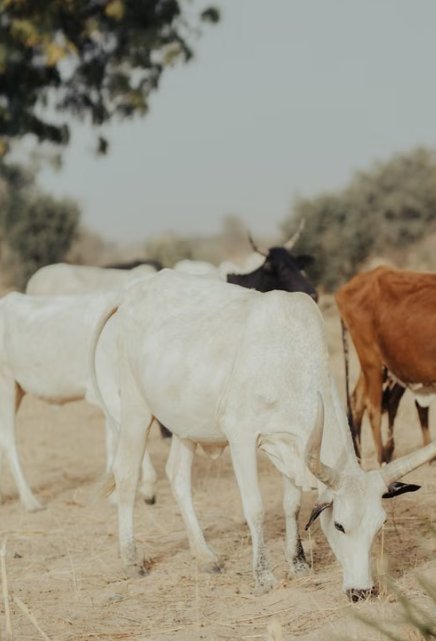
Demand for Somali cattle in Arab markets rises before Ramadan and Eid al-Adha, when importers race to book volumes, and stays calmer the rest of the year. A fattening trader therefore books calves early enough before the season to complete the fattening cycle. A direct-slaughter trader can ship closer to the season but needs to confirm the booking early to avoid shortages when demand peaks.
Read more: Guide to exporting livestock from Somalia to Saudi Arabia: shipping, breeds, and requirements
MHS Group Export supplies Somali calves and cattle through regular programs

MHS Group Export treats Somali calves and cattle as an established, origin-based trade line running from Somalia, Somaliland, and Djibouti to importers in Arab markets. It builds its offers on the actual spec of each order rather than on general prices.
Its services for traders include supplying Somali calves for fattening projects and cattle for slaughter and wholesale buyers, sorting by class and weight, veterinary checks before shipping, and preparing the export documents each market requires. The company also runs repeat supply programs for traders who need regular shipments, and serves importers in Saudi Arabia, Egypt, Oman, and the rest of the Gulf.
Besides calves and cattle, the company exports camels, sheep, and goats from Somalia, and livestock and halal meat from South Africa, so a trader can work with one supplier when diversifying shipments.
Read more: How to choose a calf supplier in Somalia that delivers the required quantities and regular supply
Contact MHS Group Export
If you plan to import Somali calves and cattle and want to know the available classes, quantities, and expected shipping date, send your order spec to the MHS Group Export team for an offer that fits your business:
- Egypt office: +20 155 741 2975
- South Africa office: +27 774 540 935
- Somalia office: +252 906 790 210
- Email: info@mhsgroup-export.com
- Contact form: Send your order details
Related products:
Frequently asked questions
What is the commercial difference between Somali calves and cattle?
Calves are bought at a lower weight for fattening and resale, while mature cattle and bulls suit direct slaughter and supply to slaughterhouses because they arrive close to slaughter weight.
Do Somali calves and cattle tolerate hot weather?
Yes. Most come from local zebu breeds raised on hot Somali pastures, so they adapt to the climate of Arab markets more easily than breeds from cold climates.
What information is needed for an accurate quote?
The supplier needs the class, age, average weight, sex, number of head, destination country, and required shipping date.
When should I book a calf shipment before Eid al-Adha?
Book early enough before the season to complete the fattening cycle. Slaughter-ready cattle can ship closer to the season, as long as the booking is confirmed early.
Does MHS Group Export offer regular supply from Somalia?
Yes. The company runs repeat supply programs for traders who need regular shipments of Somali calves and cattle throughout the year.
Conclusion
A successful deal in Somali calves and cattle starts with a question that comes before price and shipping: what does your business actually need? Calves serve a trader with a fattening cycle, while ready cattle serve one who supplies slaughter or is preparing for a near season. When a trader turns that goal into a written spec and times the order to the market's season, the shipment comes closer to expectations and there are fewer surprises on receipt.
With its experience exporting livestock from Somalia to Arab markets, MHS Group Export supplies traders with the class that fits their plans through regular supply programs that help them plan their seasons and build a stable business over the long term.
Read more: Calf supplier for Egypt: how to prepare for market demand before Ramadan