Halal South African lamb: how wholesalers keep quality consistent
How wholesalers in Egypt and the Gulf get halal South African lamb at a consistent spec: Dorper and Meatmaster breeds, written specs, carcasses or cuts, and the cold chain.
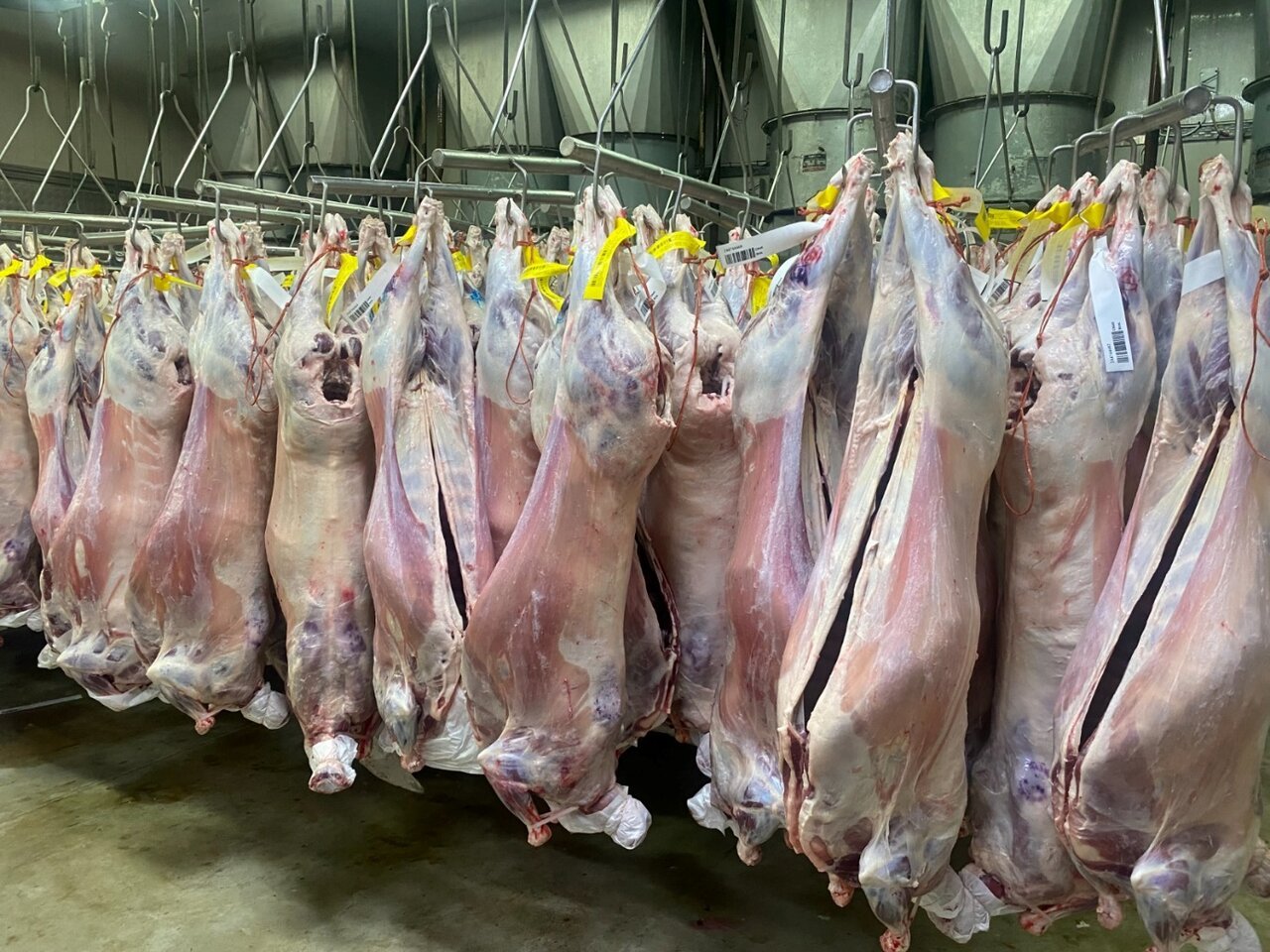
Wholesalers in Egypt and the Gulf run into the same problem with imported sheep meat again and again. The first shipment arrives to an excellent spec, then the next one differs in carcass size, fat level, or meat colour. That throws off their pricing and weakens the trust of the restaurants and butcher shops that buy from them. So a trader looks for a source that guarantees consistent quality before looking for the lowest price. Halal South African lamb is a practical answer: it comes from known meat breeds raised on open range, is slaughtered in selected abattoirs, and is prepared chilled or frozen to a spec that can be agreed and repeated.
Through the supply programs MHS Group Export runs from South Africa, a trader receives halal sheep meat prepared to the spec they set and to the requirements of the destination market. The company follows the origin, the abattoir, the cold chain, and the documents on every shipment, so the quality a trader received in the first deal is the quality they receive in every deal after it.
Dorper, Meatmaster, and the quality of South African lamb
The quality of South African lamb starts with the breed, before any other stage. Dorper sheep were developed in South Africa as a meat breed that copes with hot weather and dry range. They grow fast, carry a full carcass, and spread their fat evenly. The Meatmaster breed was also developed there, to produce plenty of meat under hard grazing conditions. These breeds give a trader carcasses of similar size and spec, because the flocks they come from are raised the same way on the same range.
MHS Group Export also exports live Dorper and Meatmaster sheep through its South African programs. That means the company knows the animal, its range, and how it was raised before it reaches the abattoir. A trader does not buy sheep meat of unknown origin from MHS, but a product whose source the company knows and whose spec it can repeat on every shipment.
Wholesale imported lamb specs, from carcass age to packing
Consistent quality does not come from asking for "good lamb". It comes from a written spec that the trader and the supplier agree before signing. The main points are carcass age, approximate carcass weight, acceptable fat level, cutting method, and packing type, followed by the documents that travel with the shipment, above all the halal slaughter certificate and the health certificate. The clearer this spec is, the smaller the gap between what the trader ordered and what they receive.
MHS builds every supply program on these details. It designs the program around the product, quantity, packing method, destination, and delivery schedule, then keeps to the same spec on repeat shipments. That lets a trader compare each shipment with the one before on a clear basis.
Young lamb or older mutton: which does your market want?
Meat from young lambs differs from older sheep meat in tenderness, flavour, and fat level. Restaurants and hotels that serve grilled dishes usually prefer young lamb for its tenderness, while food manufacturers and some butcher shops ask for older mutton because it suits slow-cooked dishes and costs less. So a trader sets the age class in the first order, and MHS supplies the same class on every shipment so the product does not change for the trader's customers.
Whole sheep carcasses or prepared cuts for restaurants and hotels?
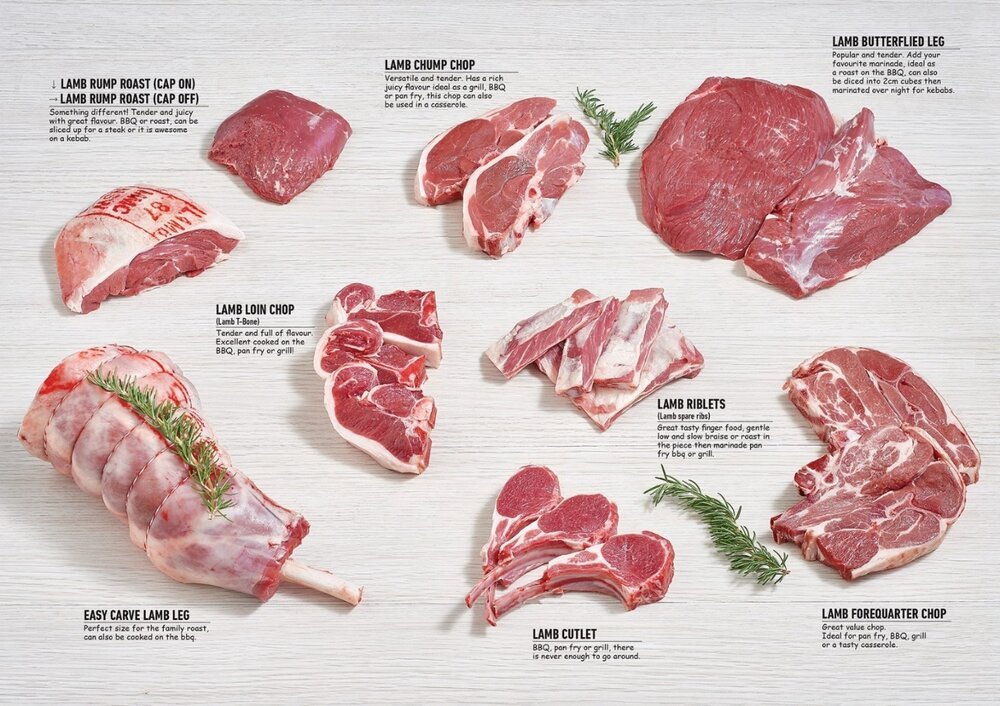
Many wholesalers and butcher shops prefer to buy whole sheep carcasses because they cut them to their customers' orders. Restaurant chains, hotels, and caterers need prepared cuts at set weights that shorten prep time in their kitchens. MHS supplies South African meat in the form the buyer specifies, so a trader can combine whole carcasses for butcher shops and prepared cuts for food service customers in one program.
Read more:
- A certified halal carcass supplier for Arab and global markets
- Buying lambs wholesale: a smart step to cut costs and increase profits
How can a wholesaler keep South African lamb shipments consistent?
A trader keeps quality consistent by working with a supplier who controls the stages where quality usually shifts: the origin and breed first, then the abattoir where the sheep are slaughtered, then the chilling and packing method, and finally the shipping route to the port of arrival. If any of these stages changes between shipments, the product the trader receives changes with it.
MHS handles this by sourcing from plants selected for production capacity, government approval, and export eligibility, and by running programs set up for repeat wholesale orders rather than one-off deals. The trader receives sheep meat from the same source to the same spec, and can agree a shipment schedule spread across the year with the company. That protects them from swings in quality and price at the height of the season.
The cold chain in chilled and frozen lamb shipments
Sheep meat is one of the meats most sensitive to temperature changes. Any break in the cold chain during the journey changes its colour and smell and shortens its shelf life, however good it was when it left the abattoir. That is why MHS keeps chilled and frozen products under temperature control during preparation, storage, loading, and transport, and prepares the export documents each shipment needs so customs clearance is not held up on arrival.
A trader chooses between chilled and frozen lamb based on how fast their market sells. Chilled suits restaurants and butcher shops that sell within a few days and want a texture close to fresh meat. Frozen suits distributors and wholesalers who hold larger stock and sell it in batches. MHS supplies South African meat in both forms to the buyer's spec.
Read more:
- South African Dorper sheep: why do importers and investors prefer them?
- Imported sheep prices: why do they vary from one shipment to another?
Demand seasons for imported lamb in Egypt and the Gulf
Demand for sheep meat in Egypt and the Gulf rises clearly before Ramadan and Eid al-Adha. Hotels and caterers in the Gulf also order more during the Hajj, Umrah, and tourist seasons. In these periods prices go up and suppliers who did not plan early have less to offer. A trader who knows their market books shipments well before the season, secures the volume and spec, and sells at the peak with a better margin.
MHS Group Export serves Egypt and the Gulf from its offices in Egypt and South Africa, which keeps it close to both the source and the buyer. That lets it prepare lamb shipments on the date the trader needs and to the spec their customers are used to.
How to order a wholesale halal lamb shipment from MHS Group Export
A deal starts with a message in which the trader states the target market, the age class, whether they want whole carcasses or prepared cuts, the approximate volume, chilled or frozen, and the preferred shipping date. The sales team then routes the request to the right source and logistics route, and sends an offer that sets out the spec, packing, documents, and delivery schedule.
The more complete the first message, the faster the offer arrives and the closer it is to what the trader needs. It also secures the trader a place in the shipping schedule before it fills up as the season approaches.
Contact MHS Group Export

If you are a wholesaler, importer, or distributor looking for halal South African lamb with consistent quality and regular supply, contact the MHS Group Export team through one of these offices:
- Egypt office: +20 155 741 2975
- South Africa office: +27 774 540 935
- Somalia office: +252 906 790 210
- Email: info@mhsgroup-export.com
- Contact form: Send your order details
Frequently asked questions
Is the South African lamb MHS supplies halal?
Yes. MHS supplies halal meat from abattoirs and processing plants that meet halal standards, and every shipment comes with a halal slaughter certificate and the export documents needed to enter the destination market.
Which sheep breeds does South African lamb come from?
The best known are Dorper and Meatmaster, two meat breeds developed in South Africa that carry a full carcass with evenly spread fat.
Is South African lamb available chilled and frozen?
Yes. Sheep meat is prepared chilled or frozen according to the buyer's spec and the requirements of the market where it will be sold.
Does MHS supply meat from origins other than South Africa?
Yes. MHS also coordinates chilled and frozen halal meat programs from Egypt and Djibouti, listed on the chilled and frozen meat page.
Conclusion
A wholesaler does not win customers with one excellent shipment of lamb. They win them with quality that repeats on every shipment, until restaurant and butcher shop owners trust it and keep coming back. That happens when halal South African lamb comes from known breeds, selected abattoirs, and a supplier who keeps to the same spec from one deal to the next.
MHS Group Export offers exactly that through halal lamb supply programs from South Africa built around each trader's needs. If you are planning your next shipment before the season, send your order details to the sales team today and get an offer that fits your market and customers before the shipping schedules fill up.