
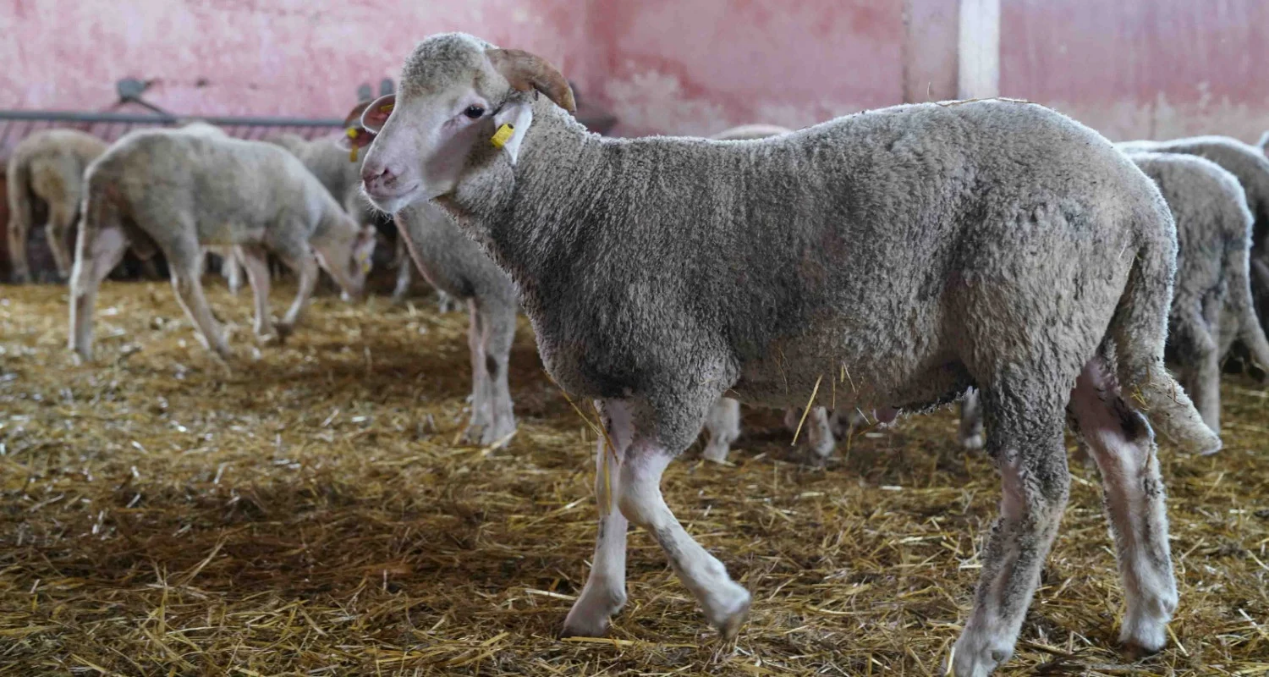
Imported Sheep Prices: Why Do They Vary From One Shipment to Another?
Two importers may buy an almost identical number of sheep, yet one pays a far higher cost than the other. Why is that?
In the livestock trade there is no fixed rule that sets imported sheep prices uniformly. The final price is shaped by a wide range of factors that begin with choosing the right breed and do not end until the shipment reaches its destination.
This is why some buyers fall into a common mistake when they compare prices alone, without looking at the other details that can affect the quality and profitability of the deal.
So what are the real reasons behind the differences in imported sheep prices, and how can importers make smarter purchasing decisions and get the best value for their money?
Why Is There No Fixed Price List for Imported Sheep?
Unlike some other commercial products, imported sheep prices change constantly because they are tied to multiple factors.
The price does not depend only on the number of head required; it is also affected by the characteristics of the sheep themselves, market conditions, transport costs, and the procedures involved in exporting.
This is why the cost of two seemingly similar shipments can differ despite comparable quantities.
The Breed Is a Key Factor in Determining Price
Not all sheep are equal in commercial value.
Some breeds enjoy higher demand in Arab and global markets because of:
- Meat quality.
- Fast growth.
- Adaptability.
- Production rates.
The higher the demand for a particular breed, the more directly it is reflected in the final price.
Weight and Age Make a Big Difference
Sheep may look similar at first glance, but weight and age are among the factors that most affect cost.
Some importers look for specific weights that match the needs of their target market, which leads to price differences from one shipment to another.
Different age groups also play an important role in determining the commercial value of the sheep.
The Season Can Change the Entire Equation
Certain periods of the year see a sharp rise in demand for sheep, especially during religious seasons and major occasions.
During these periods, imported sheep prices may rise due to:
- Increased demand.
- Higher transport costs.
- Pressure on supply chains.
- Greater competition among buyers.
This is why many professional importers rely on early planning to avoid seasonal price fluctuations.
Country of Origin and Its Effect on Cost
Imported sheep prices also vary by country of origin.
This is due to several factors, including:
- Breeding costs.
- Availability of natural pastures.
- Labor costs.
- Health and veterinary systems.
- Distance to the importing country.
This is why some importers prefer to deal with particular markets based on the balance between quality and cost.
When Services Become Part of the Price
Sometimes the importer pays not only for the sheep, but for a set of accompanying services that add real value to the deal.
These services include:
- Veterinary inspection.
- Document preparation.
- Shipping supervision.
- Logistics follow-up.
- Coordination with the relevant authorities.
Although these services may increase the initial cost, they help reduce potential risks and losses.
A Real Story: The Lowest Price Is Not Always the Best Choice
In one commercial deal, an importer chose a low-cost offer compared with the other available options.
At first the decision seemed successful, but after the shipment arrived, problems emerged regarding the specifications and the general condition of the sheep, causing extra expenses and unforeseen losses.
By contrast, another importer focused on supply quality and accompanying services rather than price alone, and achieved greater stability and a better long-term return.
This experience shows that evaluating a deal should be based on the full value, not just the figure written in the price quote.
How Does MHS Group Export Help Clients Make Better Purchasing Decisions?
MHS Group Export understands that the success of an import operation does not depend only on providing sheep, but on helping clients choose the right solutions for their commercial needs.
This is why the company works to:
- Provide a variety of sheep dedicated to export.
- Offer clear information about the available specifications.
- Help select the most suitable option for the target market.
- Support supply and export operations professionally.
- Provide solutions that strike the best balance between quality and cost.
This gives clients a greater ability to make purchasing decisions built on clear, well-studied foundations.
How to Get the Best Value When Buying Imported Sheep
Instead of looking only for the lowest price, it is better to focus on:
Studying the Needs of the Target Market
Choosing the right specifications helps achieve a better return.
Comparing Value, Not Price
The quality of the sheep and the accompanying services must be considered alongside the cost.
Planning the Purchase in Advance
Buying early offers better opportunities to secure suitable prices.
Partnering With a Specialized Company
Experienced companies help reduce risks and improve deal outcomes.
Contact MHS Group Export
If you are looking for accurate information about export-dedicated sheep, or want supply solutions that match your commercial needs, you can contact the MHS Group Export team.
- Egypt office: +20 155 741 2975
- South Africa office: +27 774 540 935
- Somalia office: +252 906 790 210
- Email: Info@mhsgroup-export.com
Address: Plot 204, Neighborhood 2, District 16, Sheikh Zayed City, Giza.
Related products:
Frequently Asked Questions
Why do imported sheep prices differ from one supplier to another?
Because of differences in breeds, weights, accompanying services, shipping costs, and market conditions.
Do higher-priced sheep always mean better quality?
Not necessarily, which is why the specifications and accompanying services should be evaluated alongside the price.
Which factors most affect import cost?
Breed, weight, country of origin, season, and transport costs are among the most influential factors.
Does the timing of purchase affect prices?
Yes, some seasons see increased demand that drives prices up.
How can suitable export sheep be selected?
By studying the needs of the target market and partnering with a specialized company experienced in supply and export.
Conclusion
Imported sheep prices do not merely reflect the cost of buying livestock; they represent an integrated set of factors related to quality, breed, weight, logistics services, and market conditions.
Understanding these factors gives importers a greater ability to evaluate deals correctly and avoid decisions based on price alone.
With a partner who has the experience and market knowledge, the purchasing process becomes clearer and more efficient, turning from a mere transaction into a well-studied investment that supports long-term business growth.