
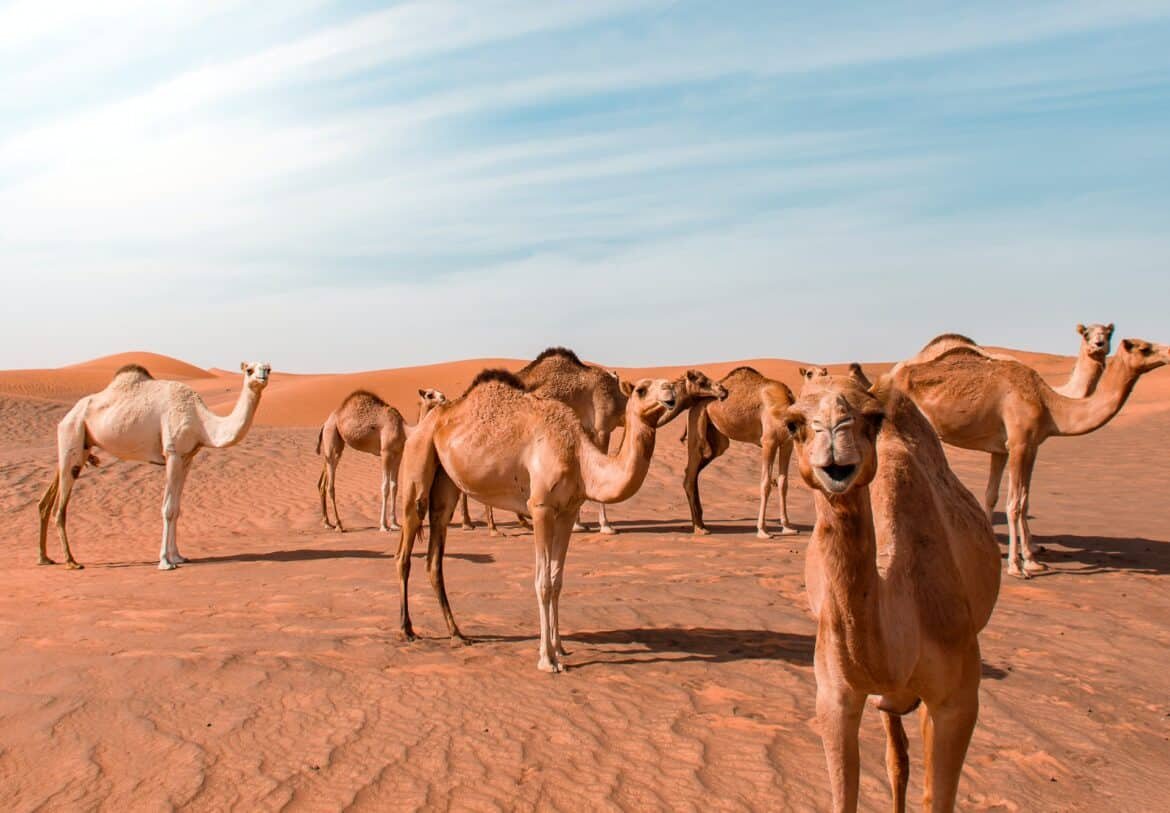
Why are importers seeking a reliable Somali camel supplier who guarantees consistent supply and the required quantities
In the livestock trade, successful deals depend not only on animal quality and competitive pricing but also on the supplier's ability to consistently meet market demands. Many importers face challenges related to the unavailability of required quantities at the right time, which can lead to supply delays and the loss of significant business opportunities.
Why are importers seeking a reliable Somali camel supplier who guarantees consistent supply and the required quantities?
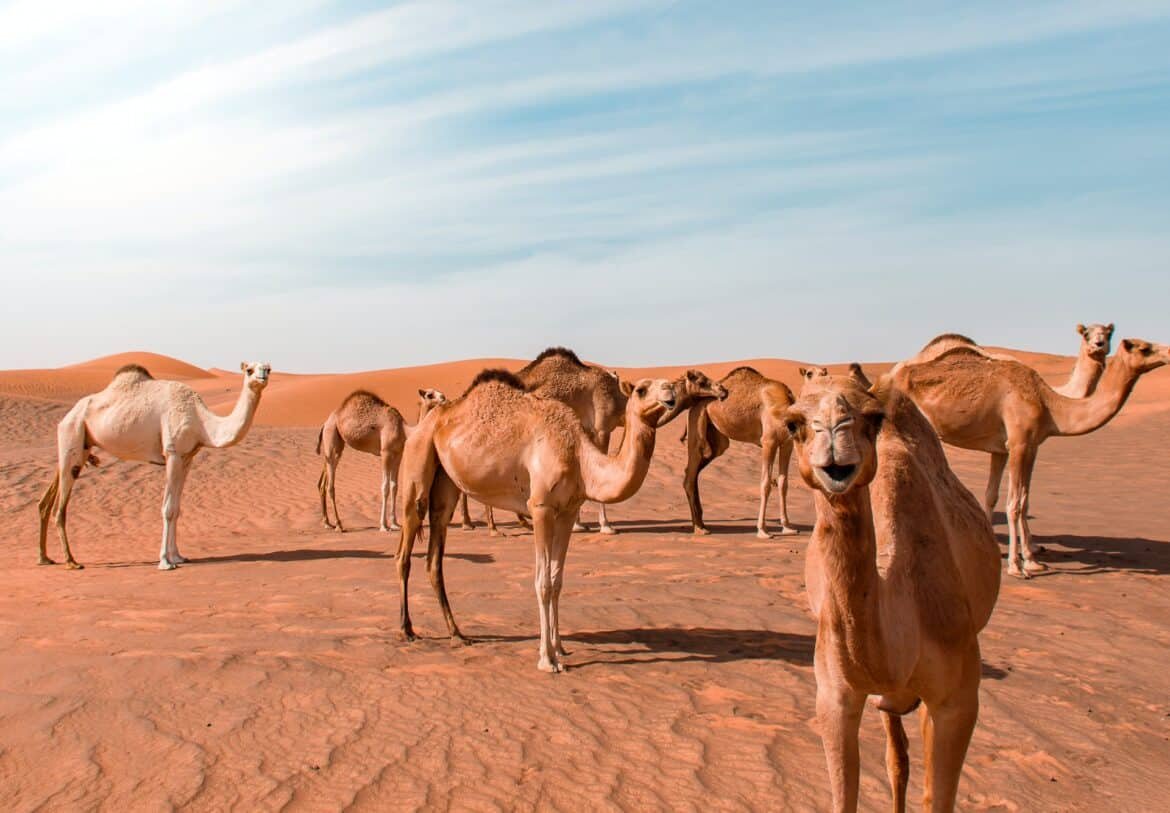
In the livestock trade, successful deals depend not only on animal quality and competitive pricing but also on the supplier's ability to consistently meet market demands. Many importers face challenges related to the unavailability of required quantities at the right time, which can lead to supply delays and the loss of significant business opportunities.
With the increasing demand for camels in markets such as Saudi Arabia, Egypt, and Oman, finding a reliable Somali camel supplier capable of providing the required quantities regularly has become a top priority for livestock importers and traders operating in this sector.
If Somali camels are available from numerous suppliers, why do importers focus on selecting a supplier that guarantees a consistent supply?
Because the success of import operations depends not only on securing a single shipment but also on having a partner capable of fulfilling future orders and providing the required quantities at the right times. This contributes to business stability and long-term commercial growth.
Why is the demand for Somali camels increasing?
Somali camels are among the most important livestock breeds attracting the attention of importers in many Arab markets. This is due to a number of key commercial factors, including:
• Availability of sufficient numbers for trade and export.
• Competitive prices compared to other sources.
• Consistent demand in several Arab markets.
• Suitability for livestock-related commercial activities.
Therefore, Somali camels have become an important option for many importers seeking cost-effective solutions to meet their market needs.
What is the difference between a young camel (hashi), a young male camel (qa'ud), and a full male camel (jamal) in the camel trade?
Before importing Somali camels, many traders carefully select the age group suitable for their commercial needs, as camel uses vary according to age and size.
• A young camel (hashi): This refers to a young camel from birth up to approximately two years old. It is one of the most sought-after breeds in some markets due to the tenderness of its meat and its quick cooking time.
• A young male camel (qa'ud): This is a young male camel between two and four years old. It is larger than a young camel (hashi), and its meat requires a longer cooking time.
• The camel: This is a male camel that is over five years old. It is known for its large size and strength and is used for many commercial purposes.
Read more:
• Exporting high-quality livestock to the UAE with reliable logistics solutions
What does an importer look for before contracting with a Somali camel supplier?
When an importer begins searching for a suitable supplier, the first two questions are usually:
Is the product available?
The availability of camels in the required quantities is one of the most important factors affecting the purchase decision, especially for importers who rely on a continuous supply to meet market needs.
The question is not limited to the availability of Somali camels; the importer is also interested in knowing the available age range, whether it is a young camel, a young camel, or an adult camel, because each category has different uses and market requirements depending on the target country.
What is the expected price?
Price is an important element in any commercial transaction, but many traders realize that the regularity and stability of the supply are just as important as the price itself.
Can the supplier meet future orders?
Importers prefer dealing with a supplier capable of consistently providing the required quantities rather than relying on a supplier who provides only a single shipment without guaranteeing continuity.
The Importance of Regular Supply in the Camel Trade
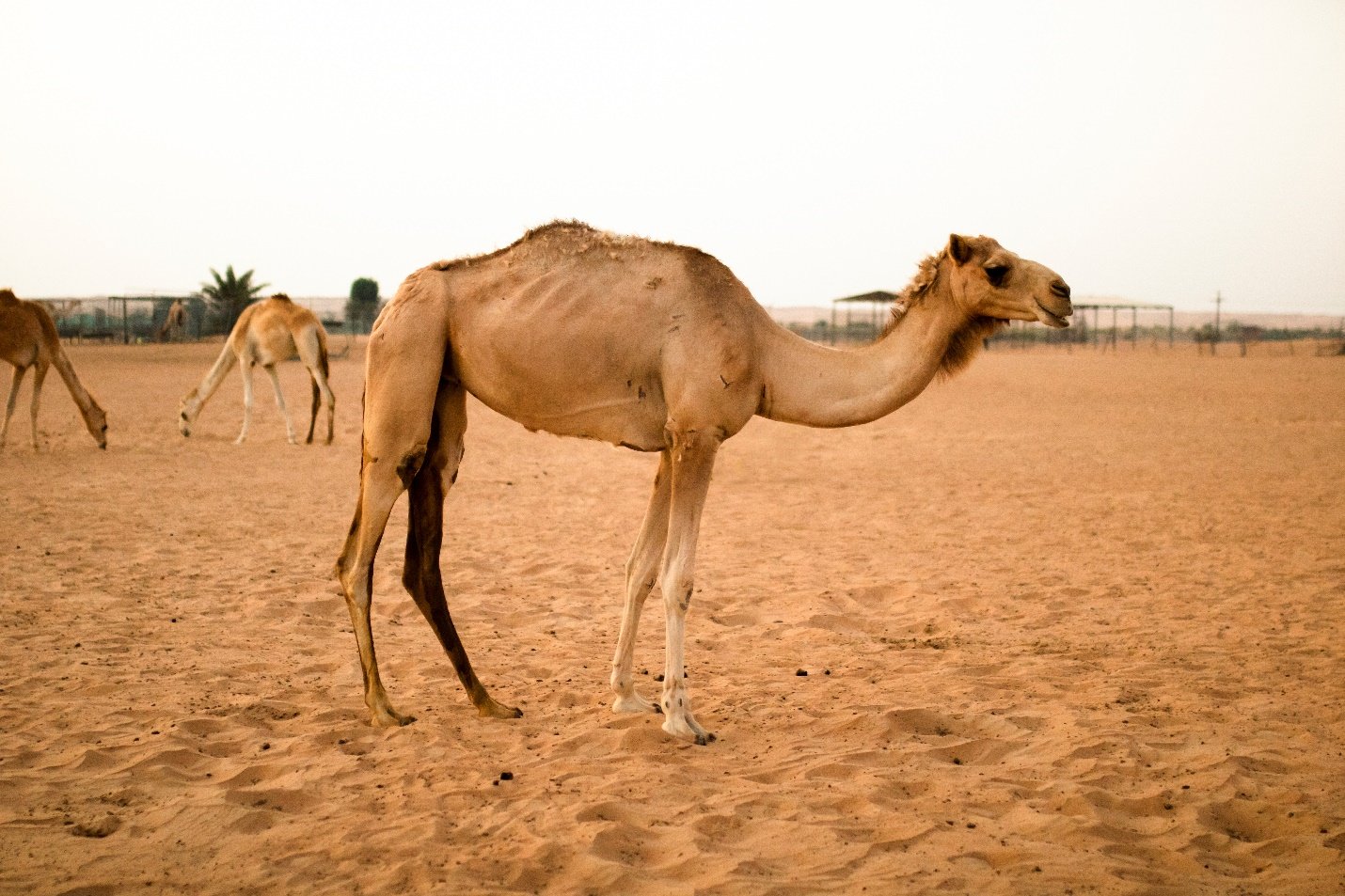
A trader may succeed in securing a good deal in terms of price, but the absence of a regular supply can cause problems that affect the stability of their business.
Among the most prominent benefits of a regular supply are:
• Meeting market needs continuously.
• Reducing the risk of supply shortages.
• Improving long-term business planning.
• Building stable relationships with clients.
• Enhancing opportunities for expansion in target markets.
Therefore, a regular supply has become one of the most important criteria that importers rely on when choosing the right supplier.
A Livestock Importer's Experience
A trader working in the livestock sector recounts his experience, saying:
"At the beginning of my business, I focused on getting the lowest possible price, but the problem arose when I needed new shipments and couldn't find the required quantities on time. After dealing with a supplier who relies on regular supply, managing orders became easier, and I can plan to expand my business with greater confidence."
This experience demonstrates that a stable supply can sometimes be more important than securing the lowest price.
What distinguishes a reliable supplier in the Somali camel sector?
When evaluating suppliers, importers prefer to look for a number of important criteria, such as:
Experience in the livestock and export sector.
Ability to supply the required quantities.
Commitment to delivery schedules.
Clear product information.
Understanding of target market needs.
The more these elements are present, the greater the chances of successful import operations and better business outcomes.
What services can MHS Group Export offer importers?

MHS Group Export caters to the needs of livestock importers by providing supply solutions based on continuity and commitment to customer requirements.
The company's services include:
Exporting Somali camels.
Exporting sheep and calves from Somalia.
Exporting Dorper sheep, Boer goats, and meat from South Africa.
Serving the Saudi Arabian, Egyptian, and Omani markets. • Providing consistent supply solutions for importers and traders.
Supporting clients seeking long-term partners in the livestock sector.
Are Somali camels suitable for commercial projects?
Many traders rely on Somali camels in their business plans due to the benefits they offer.
Dealing with a supplier who can consistently provide the required quantities helps reduce the risks associated with market supply fluctuations.
Contact MHS Group Export
If you are looking for a Somali camel supplier who can consistently provide the required quantities, or if you would like to know about product availability and supply options, the MHS Group Export team can provide you with the information you need to make the right decision for your business.
Egypt Office: +20 155 741 2975
South Africa Office: +27 774 540 935
Somalia Office: +252 906 790 210
Website: mhs group-export
Frequently Asked Questions
How do I choose a reliable Somali camel supplier?
It is preferable to choose a supplier with experience in the livestock and export sector who can consistently provide the required quantities and adhere to agreed-upon delivery dates.
What is the difference between a young camel (hashi), a young male camel (qa'ud), and a camel (jamal)?
A young camel (hashi) is a young camel up to about two years old and is characterized by its tender meat. A young male camel (qa'ud) is a young male camel between two and four years old, while a mature male camel (jamal) is over five years old and is characterized by its large size and strength.
Are Somali camels available for export?
This depends on the demand and the quantities required. Therefore, it is best to contact us directly to determine availability at the time of the request.
Which countries are the largest importers of Somali camels?
Saudi Arabia, Egypt, and Oman are among the markets that show interest in Somali camels, each with its own specific needs.
Why is a regular supply important for importers?
Because it helps stabilize business, meet customer needs, and reduce the risk of supply shortages in the market.
Can Somali camels be imported in large commercial quantities?
Yes, the possibility of supplying depends on the quantities required and the available shipping and export plans.
Conclusion
In the livestock sector, the success of imports depends not only on prices but also directly on the supplier's ability to provide the required quantities and maintain a continuous supply. Therefore, many importers in Saudi Arabia, Egypt, and Oman are keen to deal with a Somali camel supplier who has export experience and can meet their commercial needs regularly.
Many importers also take care to select the appropriate category of Somali camels, whether young camels, calves, or adult camels, in accordance with the needs of the target market and customer requirements.
With the increasing demand for Somali camels, choosing the right partner remains a crucial step in building a stable business and achieving sustainable growth in the livestock market.
Read more:
Sheep supplier to Saudi Arabia provides quality, reliability, and exports to the highest standards