Wholesale halal veal: a guide for restaurants and distributors
A step-by-step guide for restaurants and distributors buying wholesale halal veal: cut specs, chilled or frozen, monthly volumes, halal documents, and contract terms.
When a restaurant kitchen runs out of veal in the middle of the week, the loss goes beyond the missing quantity. The restaurant has to buy from the nearest butcher at a higher price and unknown quality, or take the dish off the menu and lose a regular customer.
A distributor faces the same problem at a larger scale, because every day a shipment is late leaves orders hanging for several customers at once. So securing wholesale halal veal does not start with comparing price per kilo between suppliers. It starts with defining the cuts precisely, calculating real monthly consumption plus a safety stock, choosing the storage method that matches how fast you sell, and then fixing all of that in a clear supply contract.
MHS Group Export builds its chilled and frozen halal meat supply programs on these same details, designing each program around the product, quantity, packing method, destination, and delivery schedule. This guide walks through each step a restaurant or distributor needs before ordering a first veal shipment, so buying moves from one-off deals to regular supply you can rely on.
What sets veal apart from beef in wholesale orders?
Veal comes from a younger animal than fully grown cattle, so it is lighter in color, finer in texture, and lower in fat, and it cooks faster. These traits are why restaurants use it for quick grilling, escalopes, and dishes that need tender cuts of even size. Beef from older animals is darker and denser, and suits long cooking such as stews and mince.
This difference matters in trade when a buyer orders just "veal" with nothing more. The term does not mean the same thing to every supplier. Some mean the very young calf that the Egyptian market calls bitello, while others use it for animals past that stage. The result is a restaurant that expects light, tender meat and receives a darker, tougher shipment that needs a different cooking method. A wholesale order should therefore state the animal's age range or approximate carcass weight alongside the required cuts. These are the details the MHS team starts from when matching an order to the output of the abattoirs the company sources from in South Africa.
Chilled or frozen veal: choose by how fast you sell
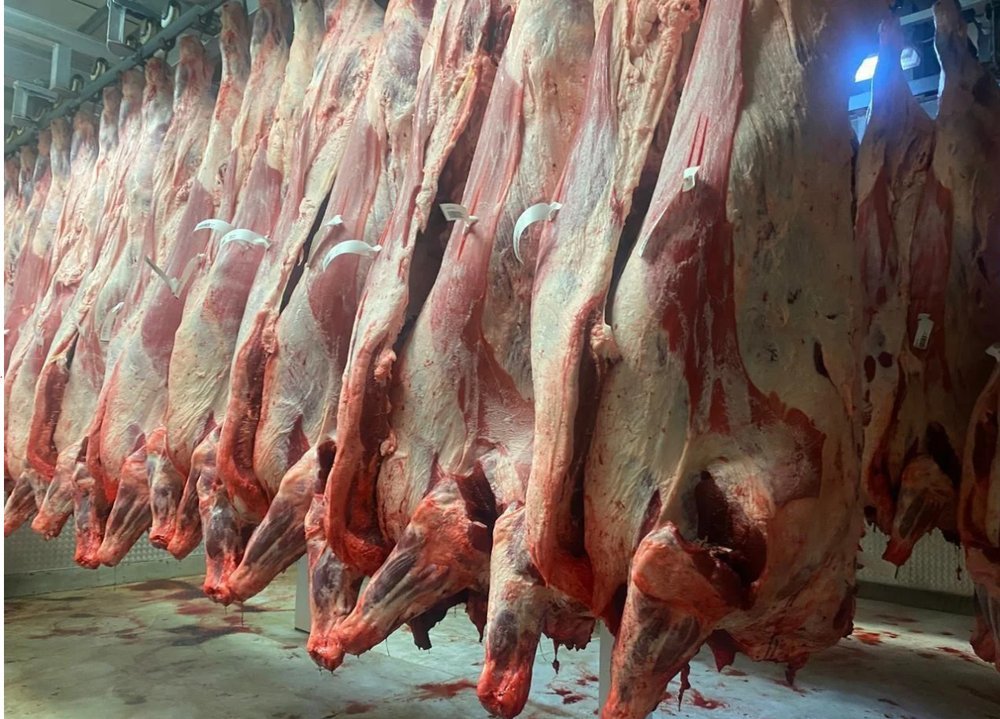
Chilled veal keeps its natural texture and color because it has not been frozen. It is held just above 0°C without freezing and must be used within a short period, so it suits restaurants that use large volumes every day and receive frequent deliveries. Frozen meat is held at -18°C or below and gives the distributor a longer storage period, enough to spread one shipment across many customers over several weeks. That makes it the practical choice when shipping distances are long or demand fluctuates.
The rule of thumb is simple. If the restaurant sells the whole quantity before the chilled product expires, chilled gives a better result on the plate. If part of the shipment will sit in storage for weeks, frozen protects that part from waste.
Either way, the value of a shipment depends not only on the storage type but on an unbroken cold chain from the abattoir to the buyer's store. That is why MHS keeps its chilled and frozen meat under temperature control during preparation, storage, loading, and transport.
Write your spec in the abattoir's language, not the menu's
A restaurant owner knows the dishes well, but the abattoir works with the carcass and its parts, not dish names. So the first step in ordering wholesale halal veal is translating the menu into cuts. A grill restaurant usually needs tenderloin, shank, and ribs, a home-style restaurant relies on shoulder and leg, and a burger restaurant needs mincing meat with a set fat ratio. The more precise this translation, the less the restaurant pays for parts it does not use.
With the cuts set, the next decision is the supply format. Whole carcasses or halves suit a distributor or restaurant with a butcher and space for cutting, while boneless vacuum-packed cuts save labor and make dish costing more accurate. The buyer then sets the carton weight, packing method, and label details such as slaughter date, expiry date, and country of origin. MHS offers a line of premium beef cuts from South Africa built for repeat wholesale orders, with selection, inspection, and preparation suited to the shipping route, so a buyer can send the spec once and receive it in the same form in every shipment.
Calculate monthly consumption and safety stock before signing
Many buyers sign for an estimated quantity, then find after the first shipment that it is less than they need or more than they can store. The right calculation starts from actual sales. If a restaurant sells 120 dishes a day, each needing 250 grams of raw veal, its daily use is 30 kg, or about 900 kg a month.
That number alone is not enough, because the restaurant needs a safety stock that covers the gap between shipments plus a margin for any delay in transport or procedures. If shipments arrive every two weeks, stock in storage should not fall below two weeks of consumption plus a reserve.
A distributor adds up the fixed orders of its customers, then adds the expected rise during Ramadan and the Eids. These periods need to be agreed with the supplier well in advance, as explained in the guide to a calf supplier for Egypt before Ramadan. When the buyer shares this monthly figure with MHS, the order can become a fixed supply schedule instead of scattered shipments ordered when stock runs out.
Which documents prove a veal shipment is halal and fit for consumption?
A supplier's verbal assurance that the meat is halal is not enough, because the regulators in the destination country require specific documents before releasing the shipment, such as Egypt's National Food Safety Authority and the Saudi Food and Drug Authority. These usually include a halal certificate from a body the importing country recognizes, a veterinary health certificate from the country of origin, and a certificate of origin, along with carton labels that match the documents.
The details vary between markets and over time, so the buyer should review the requirements in force before signing and ask the supplier for copies of the documents before shipping, not after the goods arrive. MHS sources its products from facilities selected for production capacity, government approval, and export eligibility, and backs its commercial programs with the required export documents, which lowers the chance of a shipment being held at port over a missing document.
Read more: A certified halal carcass supplier for Arab and global markets
Check temperature and packing on receipt, before you sign
Receipt is the last point at which the buyer can reject a non-conforming shipment. Measure the meat temperature with a contact probe when the container or truck is opened and check the temperature log if there is one. Then confirm the vacuum bags are intact and not swollen. In frozen meat, large ice crystals inside the pack show the meat thawed and was refrozen, which is reason enough to reject the carton. Match the labels against the documents and the agreed spec for cut, weight, and expiry date, and record any issue in writing before signing for receipt.
Supply contract terms that protect restaurants and distributors from shortages
A good supply contract answers in advance the questions that usually come up mid-season. It sets the shipment schedule and expected arrival dates, the minimum and maximum quantity per shipment, and how prices are reviewed if shipping costs or market prices change. A spec annex describes each cut, the carton weight, and the packing method, so a quality dispute does not become a matter of opinion.
One term many buyers overlook is the substitution clause: what the supplier does if a cut is unavailable in a shipment, and whether it sends a substitute with the buyer's approval or postpones the quantity. Another is the notice period needed to raise volumes before the seasons. MHS works through continuous supply programs rather than one-off deals, so these terms can be discussed with the sales team from the first inquiry.
MHS Group Export: a wholesale halal veal supplier for restaurants and distributors

MHS Group Export supplies and exports livestock and chilled and frozen halal meat. It has offices in Egypt and South Africa as well as livestock supply operations in Somalia, Somaliland, and Djibouti, and serves wholesale buyers in the Gulf and North Africa. On the meat line, the company sources halal meat from South Africa through selected abattoirs and processing plants, prepares it chilled or frozen to the buyer's spec and the destination market's requirements, and moves it through a complete cold chain.
A restaurant or distributor can order veal within these programs by setting the cuts, monthly quantity, storage method, and packing, and get an offer built on the actual order rather than a general price.
Large butchers and distributors that own or contract abattoirs have another option: importing live calves from Somalia and slaughtering them locally, a route MHS also serves for the Egyptian market. See the criteria in the guide to choosing a calf supplier in Somalia, and the cost factors in the guide to Somali calf prices.
Request a quote for halal veal from MHS Group Export
For an accurate quote as quickly as possible, send the MHS team the cuts you need, the age range or carcass weight, the expected monthly quantity, chilled or frozen, the destination city, and the date you want the first shipment to start.
- Egypt office: +20 155 741 2975
- South Africa office: +27 774 540 935
- Somalia office: +252 906 790 210
- Email: info@mhsgroup-export.com
- Contact form: Send your order details
Frequently asked questions
Is wholesale halal veal available chilled and frozen?
Yes. MHS programs cover chilled and frozen halal meat, and the buyer picks the type that matches their sales speed, shipping distance, and storage capacity.
What is the minimum wholesale veal order?
The minimum depends on the cut, storage method, and destination, and the sales team sets it after receiving the order details.
What is the difference between veal and bitello?
Bitello is the common name in the Egyptian market for very young, light-colored veal, while "veal" is used commercially for a wider age range. That is why the order should state the age or carcass weight.
How many days does chilled veal keep?
It depends on the packing method and storage temperature, and the buyer follows the expiry date on the pack. Frozen meat keeps longer at -18°C or below.
Can we agree a fixed monthly supply schedule?
Yes. MHS programs are built for repeat wholesale orders, and the schedule follows the monthly quantity and dates the buyer sets.
Conclusion
Getting wholesale halal veal on a regular basis is the result of decisions the buyer makes before the first shipment: writing the spec in the abattoir's language, calculating monthly consumption and safety stock, choosing chilled or frozen by sales speed, then checking the documents, inspecting the shipment on receipt, and fixing all of it in a clear contract. If you run a restaurant or a distribution company and need a steady source of halal veal, send your requirements to MHS Group Export for a supply program built on your spec and schedule.
Read also: